Benin-Sapele Road in Edo State
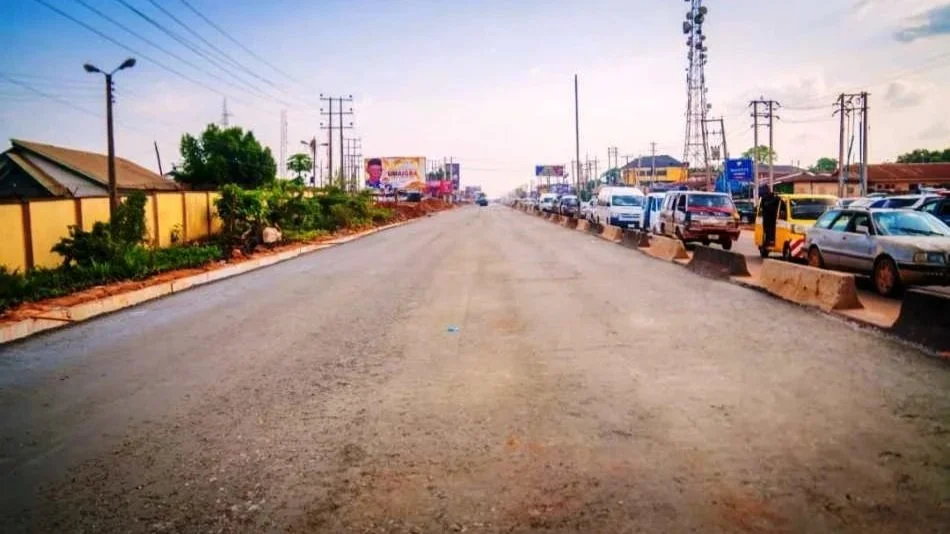
Residents and road users in Edo State have renewed calls for the Federal Government to accelerate work on the Sapele Road, citing the importance of the corridor to transportation, commerce and the movement of people and goods. The appeal comes amid ongoing interventions aimed at improving sections of the Benin-Sapele corridor.
/ You Might Also Like /




The road forms part of a wider transport network linking communities in Edo and Delta states and serves as an important route for commercial activity across the Niger Delta. Previous deterioration along sections of the corridor has created difficulties for motorists, businesses and residents who depend on the route.
Residents Seek Faster Completion of Road Works
The renewed appeal reflects continued concern over the condition of parts of the road and the need to complete rehabilitation works.
The Federal Government, Edo State Government and the Niger Delta Development Commission (NDDC) have previously worked together on interventions along the Benin-Sapele-Warri and Benin-Agbor corridors. In August, the NDDC said it had scoped 15.4 kilometres between Benin, Ologbo Junction and Sapele for intervention.
The commission described the affected corridor as strategically important to the region and said its poor condition had contributed to gridlock, hardship for road users and disruption to economic activity.
The latest calls from residents therefore centre on ensuring that ongoing interventions translate into a fully functional and durable road corridor.
Benin-Sapele Road Supports Regional Economic Activity
The importance of the road extends beyond commuters travelling between Benin and Sapele.
The corridor supports the movement of agricultural produce, manufactured goods, commercial vehicles and other supplies between communities in Edo and neighbouring states. Poor road conditions can increase journey times, vehicle maintenance costs and the cost of moving goods.
The NDDC previously said the road's deterioration had affected the local economy, highlighting the relationship between transport infrastructure and commercial activity.
For businesses located along the corridor, a reliable road can reduce logistics costs and improve access to customers, workers and suppliers.
Infrastructure Has Implications for Property Markets
For the housing and real-estate market, the condition of major transport corridors can influence where people choose to live, where businesses establish operations and where developers consider new projects.
Improved roads can expand the practical radius of residential development by making communities further from major urban centres more accessible. They can also improve the attractiveness of land located along established transport routes.
However, road improvements alone do not guarantee sustained property-market growth. Developers and investors also consider electricity, water supply, drainage, security, land documentation and the availability of commercial and social infrastructure.
For communities along the Benin-Sapele corridor, completing the rehabilitation could therefore strengthen connectivity while supporting wider economic and property-market activity.
Federal and State Governments Working With NDDC
The rehabilitation effort involves multiple levels of government.
The NDDC said in August that it had joined the Federal Ministry of Works, Edo State Government and other stakeholders to address deteriorating sections of the Benin-Sapele-Warri and Benin-Agbor roads. The intervention followed concerns over the condition of the strategic highways.
The commission also said remedial work should conform to the original road design and provide a durable solution rather than a temporary repair.
This is particularly important for infrastructure investment because repeated repairs without addressing underlying structural problems can increase long-term public expenditure while providing limited relief to road users.
Road Quality and Development Must Move Together
Edo's road network remains important to the state's broader urban and economic development strategy.
Governor Monday Okpebholo has previously said his administration is prioritising roads, drainage and bridges, while also indicating that additional road construction projects were moving through procurement.
For the Benin-Sapele corridor, however, sustained improvement will require coordination between federal and state authorities because major sections of the route fall within federal infrastructure responsibilities.
Effective coordination can reduce duplication, improve project continuity and ensure that adjoining sections of the road receive complementary treatment.
Completion and Maintenance Will Determine Long-Term Impact
The immediate priority for residents is improved access, but the longer-term value of the intervention will depend on the quality and durability of the completed works.
A properly rehabilitated corridor should reduce travel disruption, lower vehicle operating costs and improve the movement of goods. It could also support economic activity in communities along the route and strengthen connections between Edo and Delta states.
Maintenance will be equally important. Without adequate drainage, routine maintenance and enforcement of road-use standards, newly rehabilitated infrastructure can deteriorate rapidly, particularly during periods of heavy rainfall.
Outlook
The renewed concerns from Edo residents underline the importance of completing the rehabilitation of the Benin-Sapele corridor and ensuring that interventions provide a durable solution.
The road's significance extends beyond transportation. Its condition affects logistics, business activity, community accessibility and the attractiveness of surrounding areas for residential and commercial development.
For the housing market, improved connectivity could create opportunities for development along emerging corridors, but those benefits will depend on sustained infrastructure investment and coordinated urban planning. The priority now is to ensure that ongoing rehabilitation delivers a reliable road network that can support Edo's growing economic and residential needs.
READ MORE