AFA Bridge on Agric-Isawo Road opens to traffic
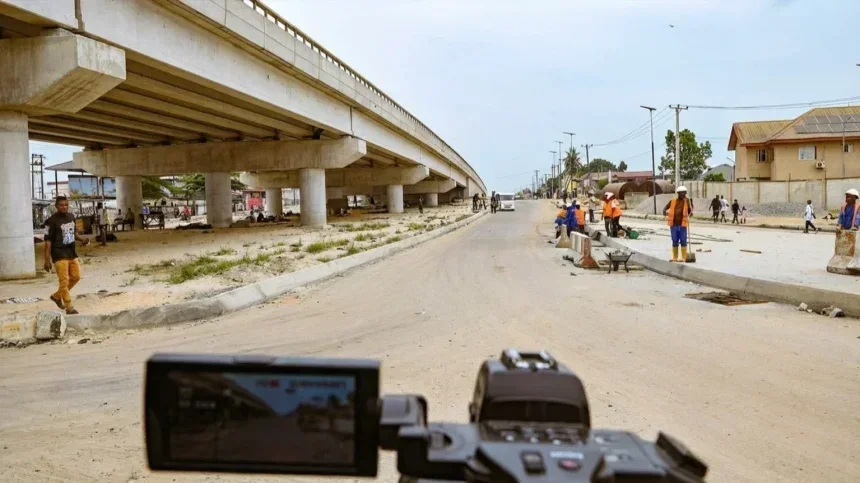
Lagos State has opened the inbound section of the AFA Bridge on Agric-Isawo Road in Ikorodu to traffic, providing relief to residents and commuters who have faced years of flooding, difficult crossings and prolonged travel times along the corridor. The outbound section remains under construction.
/ You Might Also Like /




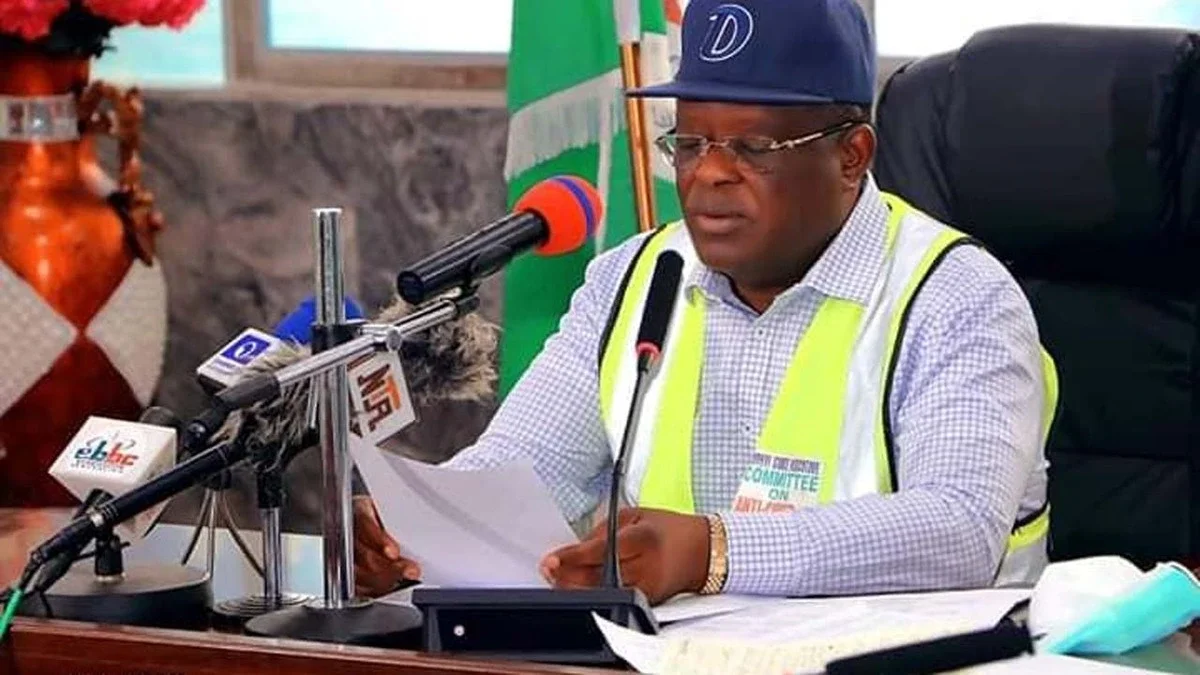
The opening followed an inspection of ongoing road and bridge projects by the Lagos State Government's Special Adviser on Infrastructure, Olufemi Daramola, Permanent Secretary of the Office of Infrastructure, Olutokunbo Oyenuga, and other technical officials.
Inbound AFA Bridge Section Opens to Traffic
According to the Housing TV Africa report, the newly opened inbound carriageway allows motorists to avoid the flood-prone section of the previous route. Daramola said the opening marked an end to motorists having to drive through the floodplain, although work continues on the outbound carriageway.
The Agric-Isawo corridor has experienced persistent access challenges, particularly during periods of heavy rainfall. Residents and commuters have previously faced flooded roads, difficult bridge crossings and significant delays.
The opening therefore provides an immediate improvement in connectivity, even as construction continues on the remaining section of the bridge.
Construction Continues on Outbound Section
Despite the opening, the project remains under construction. Lagos State officials have warned motorists and pedestrians to exercise caution around the bridge and comply with traffic management measures.
Oyenuga advised road users to observe speed limits and traffic instructions and warned against unauthorised bus stops and passenger loading around the bridge. Pedestrians were also advised to use designated walkways and avoid active construction areas.
The warnings are significant because opening part of an infrastructure project before full completion can introduce additional traffic and safety risks if road users ignore temporary arrangements.
Itowolo Bridge Rehabilitation Also Underway
The inspection also covered the rehabilitation of Itowolo Bridge and the reconstruction of the Aruna U-Turn in Ikorodu Local Government Area.
Local community representatives welcomed the intervention, describing the bridge rehabilitation as a response to longstanding transportation difficulties.
The projects form part of wider infrastructure works being monitored by the Lagos State Government across the area.
Maidan-Patele Link Bridge Project Targets Connectivity
At Mile 12 in Kosofe Local Council, the inspection team reviewed the Maidan-Patele Link Bridge and Approach Roads project.
The project involves upgrading an existing pedestrian bridge so that it can accommodate both vehicular and pedestrian traffic.
A resident, Dennis Adeola, said the pedestrian bridge had remained unusable for almost four years, forcing residents to depend on canoes during periods of rainfall. He also highlighted the impact on elderly residents and the delays created by the existing transport constraints.
The development illustrates how relatively local infrastructure gaps can have wider effects on mobility, access to services and the functioning of communities.
Infrastructure Could Influence Property Development
Improved transport infrastructure can have a direct bearing on the attractiveness of residential areas, particularly along Lagos' expanding suburban corridors.
The Agric-Isawo axis forms part of the broader Ikorodu growth area, where housing demand is influenced not only by property prices but also by accessibility, commuting times, road quality and flood exposure.
Opening the AFA Bridge section could improve the area's connectivity and reduce one of the practical disadvantages faced by residents. If the remaining construction is completed and the infrastructure is properly maintained, improved access could support greater economic activity and strengthen the attractiveness of surrounding communities.
However, improved infrastructure alone does not guarantee a rise in property values or development activity. Drainage, flood management, land tenure, utilities, road maintenance and the availability of affordable housing will also determine how effectively infrastructure investment translates into sustainable urban growth.
Flood Resilience Remains Important for Lagos
The project also highlights the importance of integrating flood resilience into Lagos' transport and urban development strategy.
For property owners, developers and investors, flood risk remains an important consideration when assessing locations. Transport infrastructure that remains vulnerable to flooding can reduce accessibility and increase the effective cost of living or operating in an area.
The AFA Bridge intervention addresses one component of that challenge by providing an elevated route through an area that has historically experienced flooding. The longer-term impact will depend on whether complementary drainage and flood-management measures keep pace with development in the surrounding communities.
Lagos Promises Completion of Ongoing Projects
Daramola said the bridge and road projects form part of the state's wider investment in transport infrastructure and assured residents that the projects would be completed according to schedule. He also urged residents to protect public infrastructure and work with authorities to prevent damage and misuse.
For the Agric-Isawo corridor, the opening of the inbound AFA Bridge section represents an important interim improvement rather than the completion of the entire project.
The next priority will be completing the outbound carriageway and ensuring that the bridge, connecting roads and surrounding drainage infrastructure remain functional over the long term.
Outlook
The opening of the AFA Bridge's inbound section provides immediate relief for residents and commuters along the Agric-Isawo corridor after years of flood-related transport disruption. The wider infrastructure programme covering Itowolo Bridge, Aruna U-Turn and the Maidan-Patele Link Bridge also points to efforts to improve connectivity across parts of Lagos.
For the housing market, the significance extends beyond shorter journey times. Reliable and flood-resilient infrastructure can improve the viability of residential communities, support local economic activity and influence development decisions. The extent of those benefits, however, will depend on completing the projects, maintaining the infrastructure and addressing the wider drainage and urban-planning challenges affecting Lagos.
READ MORE