Developers Seek Stronger Collaboration to Tackle Nigeria’s Housing Deficit
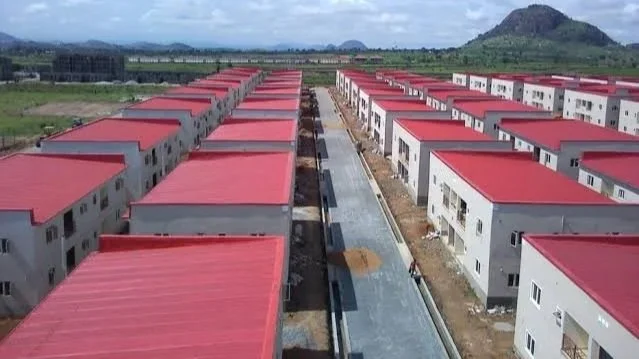
Developers Seek Stronger Collaboration
Real estate developers and other stakeholders in Nigeria’s property sector have called for stronger collaboration among private developers, government and other industry players to address the country’s housing deficit and improve the pace of housing delivery.
The stakeholders also stressed the need for increased investment, stronger partnerships and an enabling business environment to support the development of housing at scale.
/ You Might Also Like /




Developers Push for Greater Industry Collaboration
The call reflects growing concerns over the scale of Nigeria’s housing needs and the difficulty of meeting demand through the efforts of individual developers.
Stakeholders argued that greater cooperation across the real estate value chain could help mobilise more capital, improve project execution and create more efficient approaches to housing delivery.
Collaboration can involve developers, financial institutions, government agencies, construction companies, investors and other professionals whose activities influence the cost and availability of housing.
Investment Needed to Expand Housing Supply
Increasing housing supply requires significant investment in land acquisition, infrastructure, construction, building materials and financing.
Developers continue to face challenges that can increase project costs and limit the number of homes that can be delivered profitably. Stronger partnerships could help distribute these costs and risks across multiple participants.
Greater private-sector investment could also complement government housing programmes and increase the capacity of the market to respond to demand.
Financing Remains Critical to Housing Delivery
Access to suitable financing remains an important consideration for housing developers.
Property development requires substantial upfront capital, while housing projects often take considerable time to generate returns. High financing costs can therefore increase the final price of homes and make projects more difficult to deliver at affordable rates.
Stronger collaboration between developers and financial institutions could help create financing structures that better match the long-term nature of housing projects.
For investors, clearer financing arrangements and stronger partnerships can also improve project viability and reduce some of the risks associated with large-scale development.
Government Has a Role in Creating an Enabling Environment
While developers are responsible for delivering housing projects, stakeholders continue to emphasise the role of government in creating conditions that encourage private investment.
This includes improving land administration, infrastructure provision, planning processes and access to development finance.
Government policies that reduce unnecessary delays and lower development costs can make it easier for private developers to increase housing supply.
Public infrastructure is particularly important because developers often have to provide roads, drainage, water and other services in areas where government infrastructure remains limited.
Collaboration Could Improve Housing Affordability
The housing deficit is not only a question of the number of homes available. The affordability of those homes also remains a major concern.
Where construction costs, land prices, infrastructure expenses and financing costs remain high, developers may struggle to produce homes within the purchasing capacity of a large section of the population.
Collaborative development models could help reduce some of these pressures by allowing participants to share infrastructure costs, financing arrangements and technical resources.
However, the benefits will depend on whether such partnerships ultimately translate into lower development costs and more affordable housing for households.
Private Sector Capacity Remains Important
Nigeria's housing needs require significant participation from the private sector because government alone cannot deliver the volume of homes required to meet demand.
Private developers have access to capital, technical expertise and market knowledge that can support faster housing delivery when appropriate conditions exist.
Strengthening cooperation within the industry could therefore help developers combine resources and pursue larger projects that individual companies may find difficult to finance or execute independently.
Housing Deficit Requires a Coordinated Response
The call for greater collaboration comes as Nigeria continues to face a significant shortage of adequate and affordable housing.
Addressing the challenge requires more than constructing additional units. It also requires investment in infrastructure, accessible mortgage finance, efficient land systems and policies that support sustainable development.
For policymakers, the challenge is to create an environment where developers can invest while ensuring that housing delivered through the market remains accessible to households.
For developers and investors, stronger collaboration could provide opportunities to spread project risks, access larger pools of capital and improve economies of scale.
Implications for Nigeria’s Property Market
Greater cooperation among industry stakeholders could strengthen Nigeria's real estate market by improving the capacity of developers to undertake larger projects.
It could also encourage new investment into underserved housing markets where demand remains high but development costs have limited supply.
For investors, the success of such partnerships will depend on transparent agreements, credible project structures, appropriate risk allocation and predictable regulatory conditions.
These factors will be particularly important as developers seek to move beyond small-scale projects towards larger housing developments capable of serving wider sections of the market.
Outlook
The developers' call for stronger collaboration highlights the need for a coordinated approach to Nigeria's housing challenge. Increased private-sector investment, improved financing and closer cooperation between government and industry could strengthen the country's capacity to deliver housing at scale.
However, collaboration alone will not resolve the housing deficit. Sustained progress will require reforms that lower development costs, improve infrastructure and land administration, expand housing finance and create conditions that allow developers to deliver homes that households can afford.
READ MORE