Lagos Targets 3,000MW Power Capacity to Support Lekki’s Expanding Development Corridor
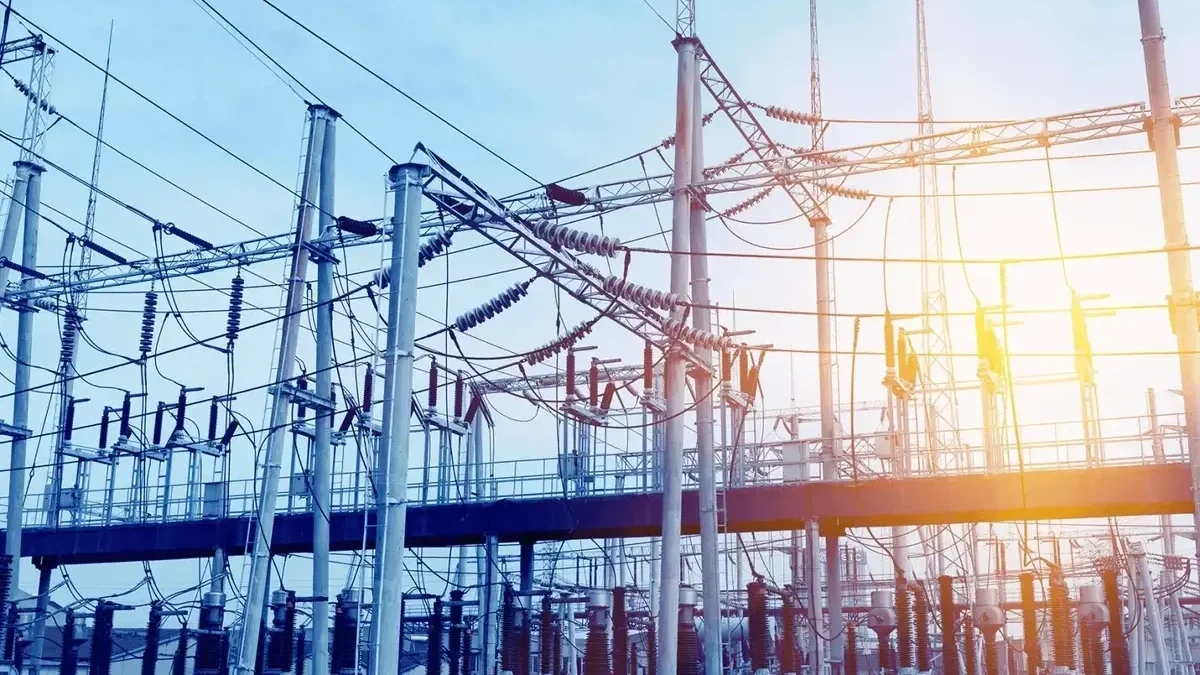
3,000MW Power Target Signals Bigger Infrastructure Push Across Lagos’ Lekki Corridor
Lagos State is targeting between 2,500MW and 3,000MW of electricity capacity for the Lekki corridor as rising industrial, commercial and residential activity increases demand for stronger infrastructure across the fast-growing development axis
/ You Might Also Like /




The target was disclosed during an inspection of key electricity facilities in Lagos led by the Lagos State Electricity Regulatory Commission (LASERC), as officials assessed ongoing transmission projects and the capacity required to support future electricity demand along the corridor.
The proposed capacity expansion comes as the Lekki-Epe axis attracts industrial facilities, logistics operations, residential developments and large-scale commercial projects, increasing the importance of reliable power infrastructure to the area’s long-term growth.
Lekki Power Expansion Moves Beyond Current Demand
The scale of Lagos’ proposed capacity target is significantly above current electricity consumption along the corridor.
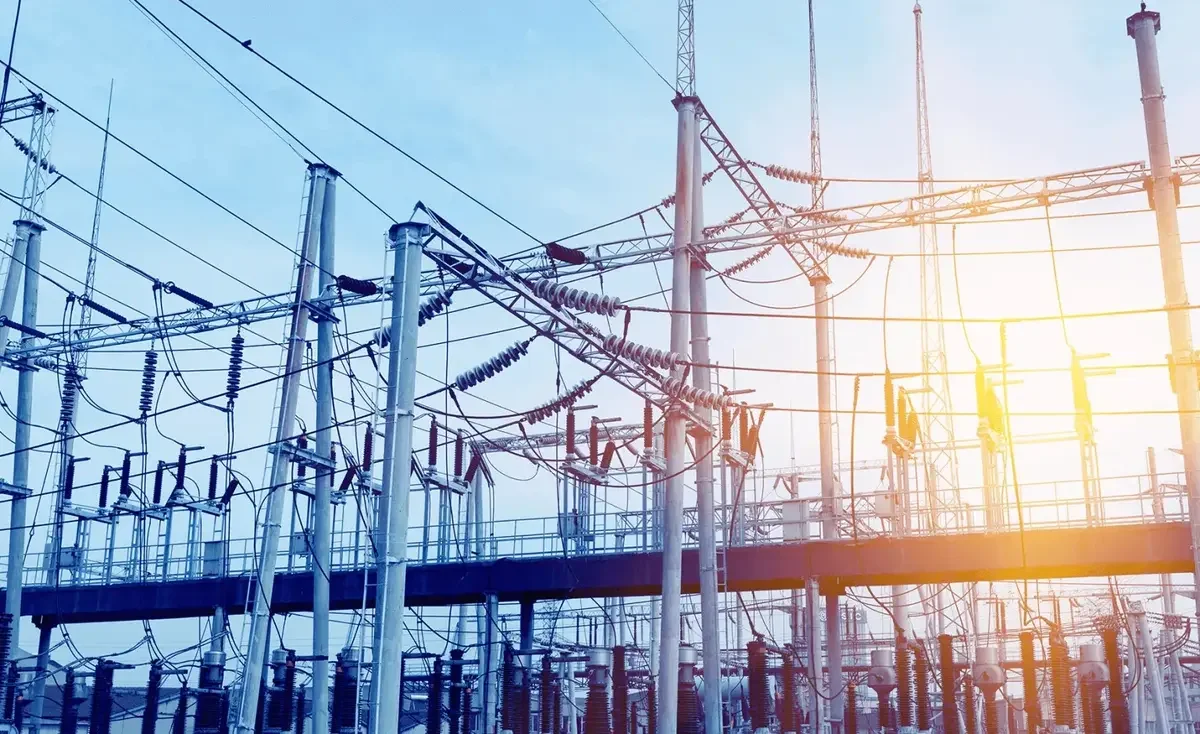
The TCN Lekki transmission station currently has 300MVA of transformer capacity and can accommodate about 240MW of load from Eko Electricity Distribution Company. However, the highest recorded demand at the station has been around 120MW to 130MW, leaving substantial available capacity.
The station has four transformers comprising two 75MVA units and two 60MVA units, while transmission-side availability averages between 98 per cent and 99 per cent.
However, one of the key feeders serving Lekki Phase 1 and surrounding areas has remained out of service for months because of an underground cable fault.
Restoring the Lekki 2 feeder could increase Eko Disco’s take from the station to about 60MW from roughly 40MW currently, providing additional room for demand growth in the immediate area.
Transmission Expansion Targets Epe and Lekki
The planned expansion is not limited to existing transmission infrastructure.
The Federal Government Power Company is developing a multi-phase transmission project for the corridor, with the Epe axis identified as an immediate priority.
The first phase includes a 132kV transmission line, followed by a 330kV station at Epe and subsequent connections linking Epe with the Lekki Free Trade Zone and the wider Lekki corridor.
The infrastructure is intended to create a transmission network capable of supporting significantly higher electricity demand as industrial and commercial activity expands across the axis.
The planning is particularly important because infrastructure capacity needs to be established ahead of large-scale development rather than after demand has already overwhelmed existing networks.
Power Infrastructure Could Reshape Lekki Real Estate
For Lagos’ property market, the significance of the project extends beyond electricity supply.
The Lekki-Epe corridor has become one of the state’s most important emerging development zones, with residential estates, commercial facilities, industrial projects and logistics developments expanding along the axis.
Reliable electricity can materially influence the economics of these developments.
Residential estates require power for homes, water systems, security infrastructure and common facilities. Commercial and industrial developments face even greater energy requirements, particularly where businesses operate machinery, refrigeration, data systems and other electricity-intensive equipment.
Improving grid and dedicated power infrastructure could therefore reduce the extent to which developers and businesses depend on individual diesel generators and other expensive backup systems.
Industrial Growth Raises Electricity Requirements
The push is also closely connected to the industrial transformation taking place around Lekki.
The Lekki Free Trade Zone and surrounding industrial areas are attracting large-scale investments that require dependable electricity supplies. As industrial capacity grows, electricity demand is likely to increase beyond the requirements of existing residential communities.
This makes transmission planning a critical part of the corridor’s broader infrastructure strategy.
A 3,000MW long-term capacity target does not mean that the entire amount will be generated or consumed immediately. Rather, it indicates the scale of electricity infrastructure Lagos believes the corridor could eventually require as development accelerates.
For property investors, the distinction is important because infrastructure capacity can influence where new development becomes commercially viable.
Private Power Projects Add to Lagos’ Energy Push
The transmission expansion is occurring alongside a broader increase in private-sector participation in Lagos’ electricity market.
Fenchurch Power is rebuilding the 26MW Akute Independent Power Plant under a concession with Lagos State, with the project expected to provide dedicated electricity to the Akute Intake, Iju Waterworks and Adiyan Waterworks before surplus power enters the Ikeja Electric network.
Other private projects include Elektron Energy’s 40MW Victoria Island Power project and Sahara Power Enterprises Group’s 12MW independent power plant in Ogba.
Lagos has also approved several licences and permits covering off-grid generation, embedded generation, independent electricity distribution, metering and interconnected mini-grids.
These projects form part of the state’s broader effort to develop a more decentralised electricity market following the Lagos Electricity Law 2024.
Lekki-Epe Corridor Faces a Broader Infrastructure Test
Electricity will be only one component of the infrastructure required to sustain the corridor’s expansion.
Road connectivity, public transport, drainage, water supply, telecommunications, waste management and land-use planning will also determine whether residential and commercial development can keep pace with investment.
The Lekki-Epe corridor already demonstrates how infrastructure investment can influence property values and development patterns. However, rapid expansion without coordinated infrastructure planning can also create congestion, higher operating costs and pressure on existing communities.
The power expansion therefore needs to form part of an integrated development strategy rather than operate as a standalone electricity programme.
Reliable Power Could Improve Property Investment Conditions
For developers, one of the most important potential benefits of improved electricity infrastructure is greater predictability in operating costs.
Power generation remains a major expense for Nigerian businesses and property operators. Residential estates, shopping centres, offices, hotels and industrial facilities frequently maintain diesel or gas-powered backup systems because grid supply remains unreliable.
More dependable electricity could reduce the amount developers and property managers need to spend on alternative generation, potentially improving the economics of new projects.
It could also make emerging locations more attractive to investors by reducing one of the infrastructure risks associated with developing outside established commercial centres.
Housing Development Could Follow Employment Growth
The relationship between industrial investment and housing could become particularly significant across the Lekki-Epe axis.
As industrial parks, commercial centres and logistics facilities expand, they create demand for housing from workers and businesses operating within the corridor.
That could increase demand for housing in areas such as Ibeju-Lekki and Epe, particularly if transport and other infrastructure improve alongside electricity supply.
For developers, the opportunity lies in coordinating housing delivery with employment centres rather than simply expanding residential estates without sufficient infrastructure or access to jobs.
This could support the emergence of more integrated residential and employment corridors across Lagos.
Lagos’ 3,000MW Ambition Signals Longer-Term Planning
The proposed 2,500MW to 3,000MW capacity for the Lekki corridor represents a longer-term infrastructure ambition rather than an immediate addition to the electricity supply available to consumers.
Its importance lies in the attempt to anticipate future demand created by industrialisation, urban expansion and property development.
Lagos is already working with the Federal Government on the proposed 24/7 Energy Zones initiative, with the Lagos axis identified as one of the priority corridors for improving electricity reliability through grid stabilisation, market liquidity, grid expansion and regulatory coordination.
The combination of federal transmission investment, state-level electricity regulation and private-sector generation could provide a more coordinated framework for supporting the corridor’s expansion.
Outlook
Lagos’ plan to build electricity capacity of up to 3,000MW along the Lekki corridor highlights the growing connection between power infrastructure and real estate development.
The immediate challenge will be turning transmission plans and private-sector projects into reliable electricity supply capable of supporting businesses, industries and communities.
If the infrastructure expansion keeps pace with development, the Lekki-Epe axis could become increasingly attractive for industrial, commercial and residential investment.
But power alone will not determine the corridor’s success. Sustained growth will depend on coordinated investment in transport, water, land administration, housing and urban infrastructure.
For Nigeria’s property market, the broader lesson is clear: infrastructure capacity increasingly determines where the next major development corridors can emerge and how successfully they can absorb new investment.
READ MORE