CBN Data Localisation Push Could Turn Nigeria Into Africa’s Data Centre Hub

CBN data rule drives data centre demand
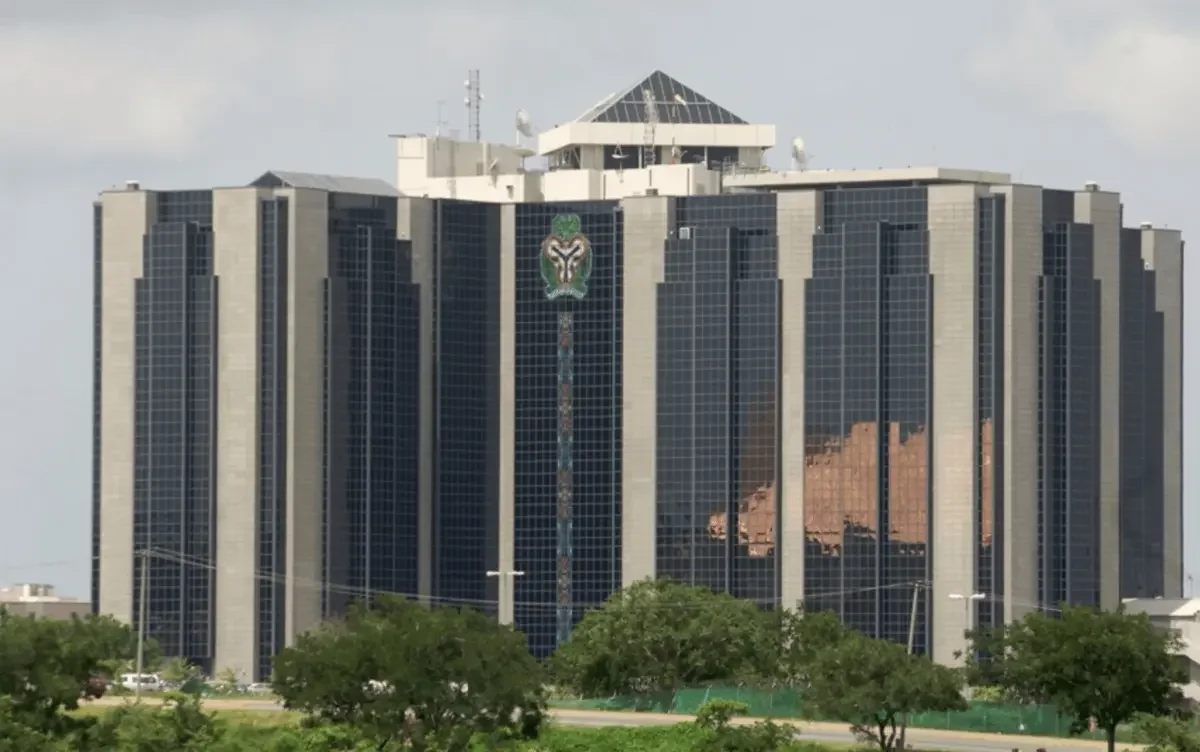
Nigeria’s data centre industry could attract increased investment as the Central Bank of Nigeria’s directive requiring financial institutions and payment operators to store payment transaction data locally creates fresh demand for domestic digital infrastructure.
/ You Might Also Like /




The CBN directed banks, fintech companies, mobile money operators and other licensed payment service providers to store and manage payment transaction data generated within Nigeria on local servers, with full compliance required from January 1, 2027.
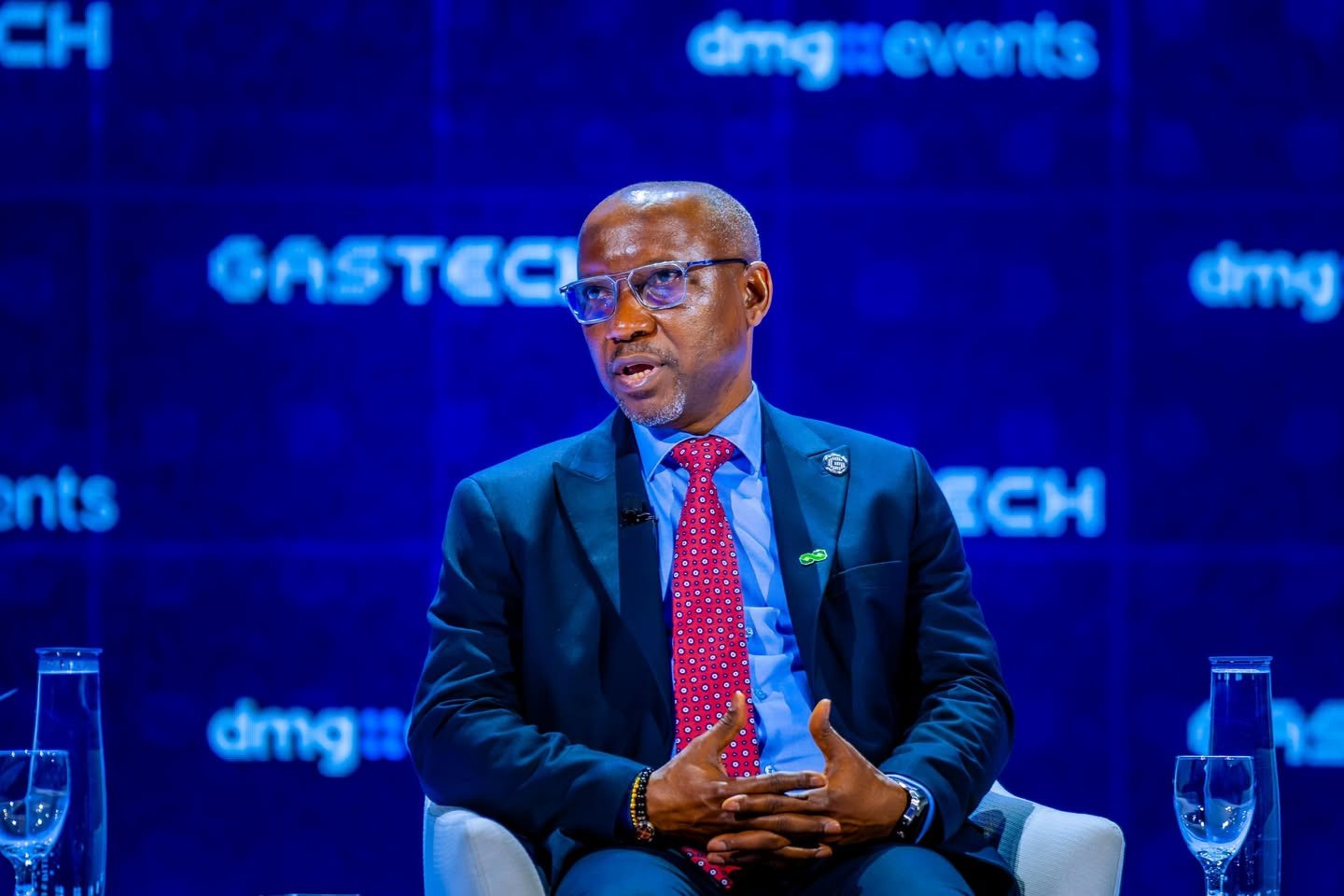
According to Ayotunde Coker, Chief Executive Officer of Open Access Data Centres (OADC), the policy could extend beyond regulatory compliance by accelerating investment in data centres and cloud infrastructure and strengthening Nigeria’s position as a regional hub for digital services.
CBN Directive Creates New Demand for Local Infrastructure
The data localisation requirement is expected to increase demand for domestic data hosting capacity as financial institutions and payment operators review infrastructure currently supporting their operations outside Nigeria.
Coker said the resulting increase in demand would require data centre operators and local cloud providers to expand capacity. He also pointed to the employment and wider economic activity that could accompany the construction and operation of additional facilities.
The CBN's original directive followed rapid growth in electronic payments and digital financial services, alongside concerns about operational dependence on external infrastructure, market concentration and the location of critical payment data.
Nigeria’s Data Centre Capacity Is Expanding
Concerns over whether Nigeria has sufficient capacity to absorb the additional workloads have become part of the debate surrounding the directive.
Coker has argued that existing high-quality data centres, combined with expansion plans, provide a basis for financial institutions to begin preparing for compliance rather than delaying implementation over capacity concerns.
Nigeria’s data centre market is also attracting significant investment. OADC, for example, is investing $240 million in a 24-megawatt hyperscale facility in Lekki, while the broader industry is expected to receive more than $2 billion in investment by 2027, according to industry figures cited by Nairametrics.
This investment is occurring as demand for computing infrastructure grows across financial services, cloud computing, artificial intelligence and other digital applications.
Data Centres Create New Industrial Infrastructure Demand
Data centres are increasingly becoming a distinct category of infrastructure-intensive real estate.
Unlike conventional commercial buildings, these facilities require large amounts of reliable electricity, high-capacity connectivity, cooling systems, security infrastructure and physical space for specialised equipment.
As operators expand capacity, the investment requirements extend beyond the buildings themselves to power generation and distribution, fibre networks, roads, security and other supporting infrastructure.
For Nigeria’s property market, this creates a potential growth area within industrial and specialised commercial real estate.
Data centre development can generate demand for strategically located land, purpose-built facilities and supporting commercial infrastructure, particularly in locations with reliable connectivity and access to power.
Lagos Remains Central to Nigeria’s Digital Infrastructure
Lagos has emerged as a major centre for Nigeria’s data centre and digital infrastructure activity.
Its concentration of financial institutions, technology companies, international connectivity and business infrastructure has made the state a natural location for large-scale digital facilities.
The concentration of data centres in Lagos also raises questions about the geographical distribution of future infrastructure investment.
Coker has highlighted Nigeria’s power and gas resources as potential advantages for scaling data centre capacity, while also pointing to the ongoing development of the electricity market and opportunities for states to support digital infrastructure investment.
For property developers, this could increase the importance of locations that combine land availability with reliable electricity, fibre connectivity and proximity to major business centres.
Power Remains a Critical Constraint
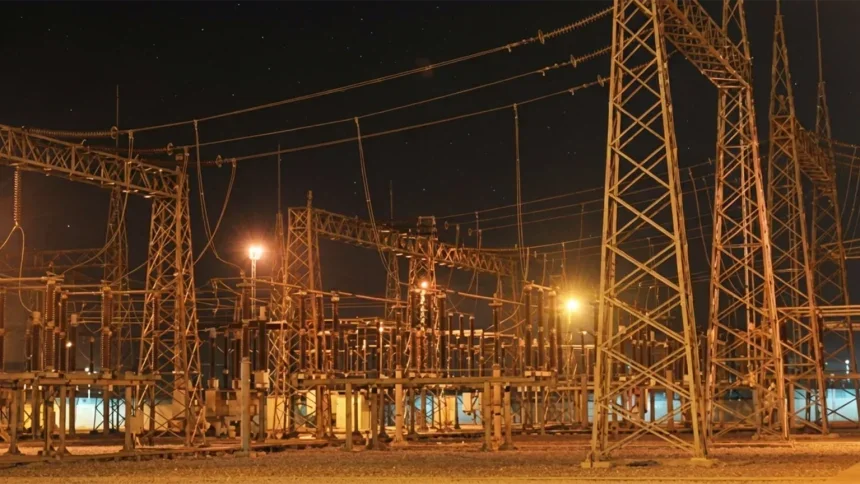
The expansion of data centres will depend heavily on reliable power supply.
Data centres operate continuously and require stable electricity for computing equipment, cooling and security systems. This makes energy infrastructure a major consideration when selecting locations and developing new facilities.
Coker noted that operators are increasingly looking at gas-powered generation and other approaches to address Nigeria’s power challenges. The decentralisation of the electricity sector could also create opportunities for states to support large-scale digital infrastructure projects.
Consequently, future data centre development could create additional demand for energy infrastructure alongside real estate.
Localisation Could Attract More Investment
The CBN directive could also influence investment decisions by international cloud providers.
Coker has argued that requiring financial institutions to host data locally could encourage foreign cloud companies currently serving Nigerian customers from overseas to establish a greater physical presence in Nigeria or partner with local infrastructure providers.
That could increase capital expenditure within Nigeria and deepen the country's participation in the regional digital infrastructure market.
The Federal Government’s National Digital Cloud Policy, unveiled in August 2026, also identifies investment in data centres, cloud infrastructure, connectivity and artificial intelligence computing capacity as priorities, while seeking to position Nigeria as a regional hosting and digital services hub.
Beyond Banking, Data Localisation Could Support Wider Digital Growth
The impact of the CBN directive could extend beyond the financial sector if other industries increasingly adopt local data-hosting requirements or choose to keep critical workloads within Nigeria.
Earlier industry discussions have identified sectors such as oil and gas, manufacturing and government as potential sources of additional demand for local cloud and data centre capacity.
Such expansion would increase the need for computing infrastructure and could encourage the development of specialised technology clusters around major commercial and industrial centres.
For Nigeria, the opportunity therefore extends beyond hosting domestic banking data. A sufficiently large and reliable data centre ecosystem could support cloud services, artificial intelligence, financial technology, digital government and other technology-intensive industries.
Implications for Real Estate Investors
The growth of Nigeria’s data centre market presents a different type of opportunity for property investors.
Traditional commercial real estate is increasingly being complemented by specialised infrastructure assets where technology, energy and physical property intersect.
Data centres require strategically located sites, substantial capital expenditure and long-term infrastructure planning. Their development can also create demand for nearby power facilities, fibre networks, security services and supporting commercial uses.
However, the sector has specific investment requirements that distinguish it from conventional office or retail property. Access to reliable power, connectivity, water, security and suitable land can be more important than conventional measures such as proximity to retail or office clusters.
Outlook
The CBN’s data localisation directive has created a regulatory deadline, but it is also generating a potential investment catalyst for Nigeria’s digital infrastructure market.
With financial institutions and payment operators required to localise payment transaction data by January 2027, demand for domestic data centre and cloud capacity is expected to increase as companies prepare for compliance.
For the real estate and infrastructure sectors, the development could open a growing market for specialised facilities, industrial land, power infrastructure and supporting services.
Whether Nigeria ultimately develops into a major African data centre hub will depend on more than data localisation. Reliable electricity, international connectivity, regulatory certainty, access to capital, security and continued investment in digital infrastructure will determine how effectively the country can convert rising demand into long-term capacity.
The January 2027 deadline therefore represents not only a compliance milestone for banks and fintechs but also an important test of Nigeria’s ability to build the physical infrastructure required to support a larger digital economy.
READ MORE