Dangote Refinery prepares for its landmark IPO
Dangote Petroleum Refinery has been valued at between approximately ₦77.7 trillion and ₦82.6 trillion ahead of its planned initial public offering (IPO), placing the Lagos-based industrial asset among the most valuable corporate businesses in Nigeria.
The valuation comes ahead of the refinery’s planned ₦2.15 trillion IPO, which is scheduled to open for subscription on September 14, 2026. The company plans to offer 4.1 billion ordinary shares at ₦525 each, with the proceeds expected to support its expansion programme. Reuters separately reported that the registered shares imply a valuation of about $47 billion based on its calculations.
/ You Might Also Like /




Dangote Refinery Valuation Reflects Scale of Asset
The latest valuation highlights the scale of the refinery and its growing importance within Nigeria’s energy and industrial sectors.
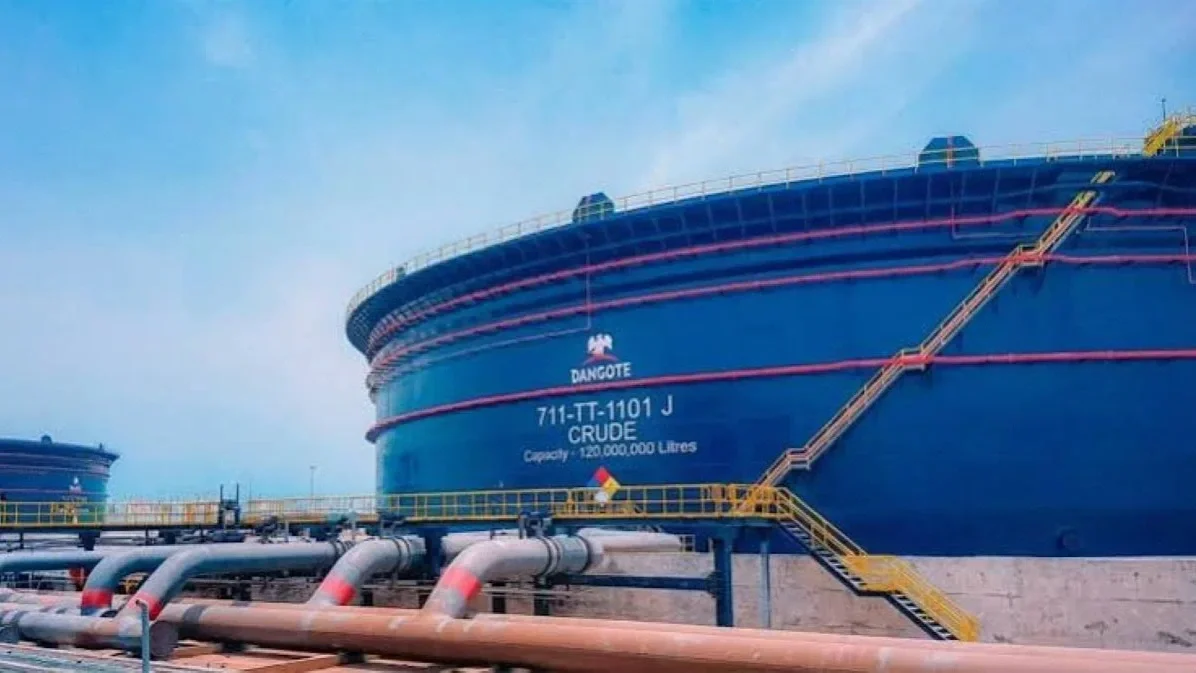
The facility, located in the Lekki area of Lagos, began operations in 2024 and was constructed at an estimated cost of about $20 billion. It has since become a major player in Nigeria’s refined petroleum market, while expanding exports of products to African and European markets.
The refinery has also benefited from stronger refining margins and disruptions to global fuel supply. It recorded an after-tax profit of $1.82 billion in the first half of 2026, compared with a $476 million loss for the whole of 2025, according to its IPO prospectus.
₦2.15tn IPO to Fund Expansion
The company plans to raise approximately ₦2.15 trillion through the IPO.
The offer consists of 4.1 billion shares priced at ₦525 each. The subscription period is expected to run from September 14 to October 13, while trading could begin later in November, according to the indicative timetable reported by Reuters.
The offering is expected to attract significant participation from Nigerian retail investors. Vetiva Capital said the transaction will allow retail investors to subscribe digitally through channels including bank and fintech applications, while the minimum subscription is 10 shares, equivalent to ₦5,250 at the offer price.
This structure could significantly broaden retail participation in a major Nigerian industrial asset.
Refinery Plans ₦14.3tn Expansion Programme
The IPO comes as Dangote Refinery prepares for a major expansion.
The company plans to invest $14.3 billion to increase processing capacity to 1.4 million barrels per day by 2029. The expansion would roughly double the refinery's current operating capacity and add further petrochemical and refining capabilities.
Management expects the expansion to strengthen the refinery's position in regional and international fuel markets while increasing its ability to process crude oil and supply refined petroleum products.
The planned expansion also demonstrates why access to long-term capital will remain important to the company's growth strategy.
IPO Tests Nigeria’s Capital Market
The refinery's public offering represents a major test for Nigeria's domestic capital market.
The size of the proposed transaction means investors will need to allocate substantial capital to a single industrial company, potentially influencing liquidity across other listed assets.
There was already evidence of investor repositioning ahead of the offer. The Nigerian equities market lost approximately ₦1.88 trillion in market capitalisation on September 8, with analysts linking some of the selling pressure to portfolio adjustments ahead of the Dangote Refinery IPO.
The ability of the market to absorb the offering would provide an indication of the depth of domestic institutional and retail investment capital.
Greater Public Ownership Could Broaden Investment Participation
One of the notable features of the IPO is its emphasis on broad investor participation.
The company has positioned the offering as an opportunity for Nigerians and other African investors to acquire an interest in a strategically important industrial asset.
The digital subscription model could also reduce some traditional barriers to participation by allowing investors to apply through familiar banking and financial technology platforms.
If successful, the transaction could encourage more large Nigerian companies to consider the capital market as a source of long-term funding.
Implications for Lagos Property and Infrastructure
The refinery's scale has implications beyond the energy sector.
Its location within the Lekki corridor has contributed to the wider economic importance of the area, where industrial, logistics, commercial and residential development continue to expand.
A major industrial facility of this scale generates demand for logistics services, warehousing, accommodation, retail, hospitality and supporting infrastructure.
The planned expansion could therefore contribute to further economic activity around the Lekki Free Zone and surrounding areas, potentially supporting demand for industrial and commercial property.
For housing developers, sustained employment and business activity in the corridor could also strengthen demand for accommodation for workers, professionals and supporting businesses.
Capital Investment Could Support Wider Industrial Development
The refinery's IPO also illustrates the potential role of Nigeria's capital market in financing large-scale infrastructure and industrial projects.
Large projects require long-term funding that may be difficult to obtain entirely through conventional bank lending.
A deeper equity market can provide companies with access to domestic savings while giving pension funds, institutional investors and retail investors opportunities to participate in productive assets.
The success or otherwise of the Dangote Refinery IPO could therefore influence investor confidence in future large-scale Nigerian industrial listings.
Housing Market Implications
For the property sector, the most important implication is the potential multiplier effect from continued investment in industrial infrastructure.
Expansion of the refinery could create additional employment and increase demand for housing and commercial services around Lagos' emerging industrial corridors.
However, increased economic activity could also intensify land and property demand in already high-value areas such as Lekki and neighbouring districts.
This makes infrastructure planning important. Without adequate roads, public transport, utilities and housing supply, additional industrial investment could increase pressure on existing urban infrastructure and housing costs.
Conclusion
The reported ₦77.7 trillion to ₦82.6 trillion valuation of Dangote Refinery underscores the extraordinary scale of the asset as it prepares for its landmark IPO.
With the company seeking approximately ₦2.15 trillion from investors and planning a $14.3 billion expansion to increase capacity to 1.4 million barrels per day, the transaction extends beyond a conventional share offering. It represents a major test of Nigeria's capital-market capacity and could influence how future large-scale industrial projects are financed.
For Lagos' property market, continued expansion of the refinery and associated industrial activity could support further demand for housing, logistics and commercial real estate, particularly along the Lekki corridor.
READ MORE