Dangote Refinery Cuts Fuel Prices Again, Signals Further Moderation
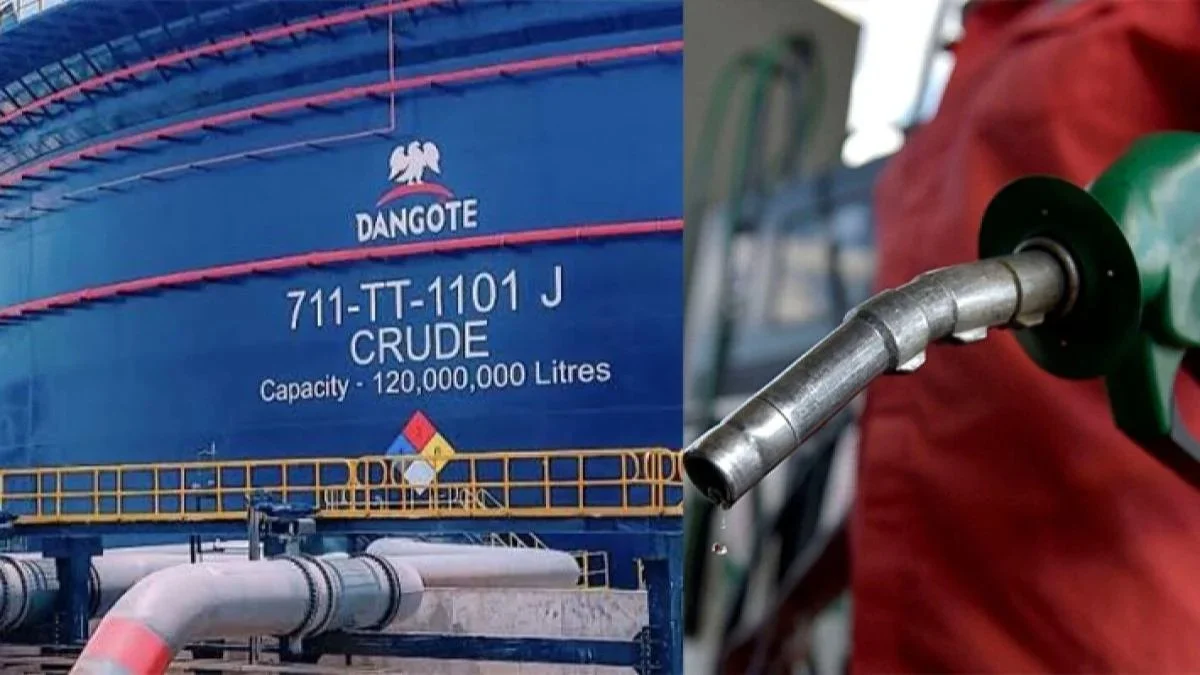
Dangote Refinery Extends Fuel Price Cuts Amid Lower Production Costs
Dangote Petroleum Refinery has announced another reduction in the ex-depot price of Premium Motor Spirit (PMS), lowering the price by ₦50 per litre and bringing its cumulative petrol price reduction to ₦200 per litre within the past month. The latest adjustment marks the refinery's fourth downward review since the end of May and signals the possibility of further fuel price moderation as production costs continue to ease.
/ You Might Also Like /




With the latest revision, the refinery's gantry price has fallen to ₦1,075 per litre, reinforcing its strategy of transferring lower production costs to marketers and consumers despite processing crude oil acquired at significantly higher international prices. Company officials said the refinery remains committed to ensuring that cost savings are reflected in domestic fuel prices where market conditions permit.
Fourth Price Reduction in One Month
The latest price cut continues a series of downward adjustments introduced by the refinery over recent weeks.
Since 30 May 2026, Dangote Refinery has reduced the ex-depot price of petrol by a cumulative ₦200 per litre. During the same period, the company also lowered the ex-depot price of Automotive Gas Oil (diesel) by ₦300 per litre and reduced the price of Jet A1 aviation fuel by ₦520 per litre.
The refinery attributed the reductions to declining production costs and improving market conditions, noting that it has absorbed previous increases in global crude oil prices rather than transferring the full cost burden to consumers.
Refinery Signals Potential for Further Price Moderation
Management indicated that additional price adjustments may be possible if favourable market conditions persist.
According to the refinery, domestic fuel prices do not necessarily move in line with daily fluctuations in international crude oil prices because pricing decisions also reflect production costs, inventory levels and operational efficiency. The company said its objective remains to deliver competitive pricing while maintaining sustainable operations.
The continued reductions are expected to intensify competition within Nigeria's deregulated downstream petroleum market, where marketers are increasingly sourcing products directly from domestic refineries.
Industry Reacts to Latest Price Adjustment
The latest reduction has generated mixed reactions across the downstream petroleum sector.
While lower ex-depot prices are expected to benefit consumers through reduced pump prices over time, the Independent Petroleum Marketers Association of Nigeria (IPMAN) reiterated that fuel prices should remain market-driven under the deregulated regime. The association warned against any attempt by government authorities to impose price controls, arguing that competition should determine market pricing.
Industry analysts believe sustained domestic refining capacity could improve product availability, reduce import dependence and contribute to greater price stability across the Nigerian fuel market.
Implications for the Economy
Lower fuel prices have the potential to ease transportation costs, reduce logistics expenses and moderate inflationary pressures affecting households and businesses.
For manufacturers, construction companies and real estate developers, reduced diesel and petrol costs may help lower operating expenses associated with the movement of goods, building materials and heavy equipment.
Economists also note that improved domestic refining capacity can reduce Nigeria's reliance on imported refined petroleum products, helping conserve foreign exchange and strengthen energy security over the long term.
Market Outlook
The latest adjustment comes as global oil markets continue to respond to changing supply dynamics and easing geopolitical tensions, factors that have contributed to lower international crude prices in recent weeks. Analysts expect domestic fuel prices to remain influenced by movements in global oil markets, exchange rates, refinery operating costs and competition among marketers.
With the Dangote Refinery now operating at full refining capacity, market observers anticipate that increased domestic production will continue to play a significant role in shaping fuel pricing and supply across Nigeria.
Looking Ahead
Dangote Refinery's fourth petrol price reduction in one month underscores the growing influence of domestic refining on Nigeria's downstream petroleum market. The cumulative ₦200 per litre reduction reflects the company's efforts to pass lower production costs to consumers while strengthening competition within the deregulated fuel sector.
For businesses, transport operators and households, sustained price moderation could provide relief from elevated energy costs and support broader economic activity. As global oil prices evolve and domestic refining capacity expands, stakeholders will continue to monitor how market conditions shape fuel pricing and the wider Nigerian economy.
READ MORE