Cooking Gas Imports Rise as Government Moves to Curb Price Surge
Cooking Gas Imports Grow as Authorities Seek Market Stability
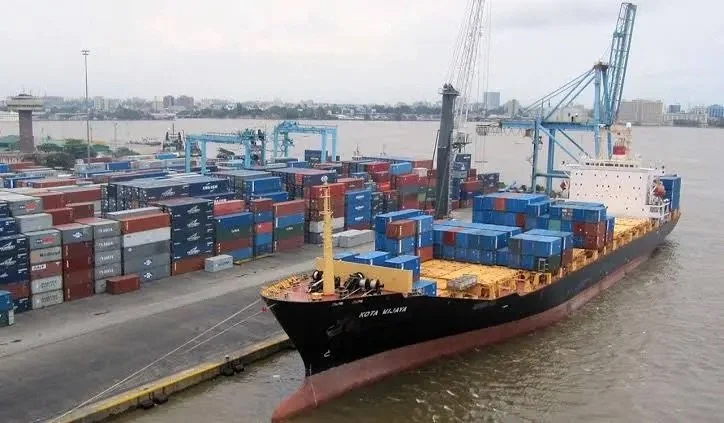
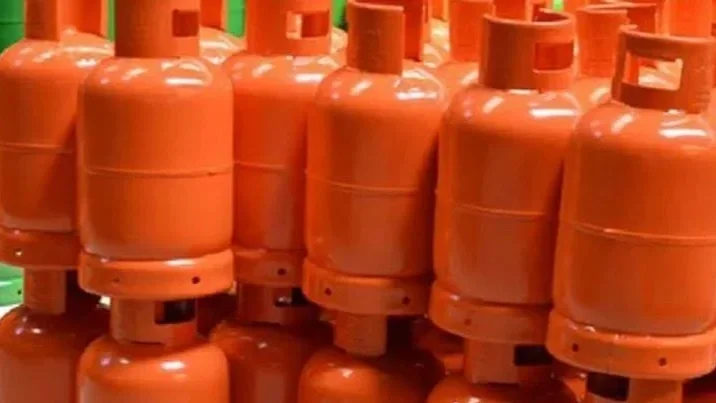
Nigeria is witnessing a rise in Liquefied Petroleum Gas (LPG) imports as the Federal Government intensifies efforts to address sharp increases in cooking gas prices and stabilise supply across the country. The move comes amid growing concerns over the affordability of cooking gas, with households and businesses facing significantly higher energy costs in recent months. Government officials have directed marketers to increase import volumes to complement domestic production and ease supply constraints.
/ You Might Also Like /




The intervention follows reports of persistent shortages and rising prices despite growth in local LPG production. Industry stakeholders say supply bottlenecks, logistics challenges, foreign exchange pressures and distribution constraints have contributed to elevated market prices across major cities.
Government Orders Increase in LPG Imports
The Federal Government recently announced measures aimed at improving LPG availability nationwide. According to the Minister of State for Petroleum Resources (Gas), marketers have committed to increasing import volumes to supplement domestic output and support market stability. The government also expects additional supplies from new gas facilities to strengthen availability in the coming months.
Officials said the decision was necessary to prevent further supply disruptions and protect consumers from excessive price increases. The government has maintained that ensuring adequate and affordable cooking gas remains an important component of its broader energy transition agenda.
Rising Prices Continue to Pressure Households
Despite increased domestic production and fresh imports, cooking gas prices have continued to rise across many parts of the country. Reports indicate that LPG prices have climbed to between ₦2,000 and ₦2,400 per kilogramme in some locations, significantly increasing household energy expenses. Retailers attribute the situation to ongoing supply shortages, transportation costs and market inefficiencies.
Data from the National Bureau of Statistics (NBS) shows that the average price of refilling a 5kg cylinder rose to ₦8,706.93 in April 2026, while the average cost of a 12.5kg refill increased to ₦22,382.20. These increases reflect persistent upward pressure on household energy costs despite efforts to improve supply.
Supply Challenges Persist
Industry groups have repeatedly warned that erratic supply, logistics bottlenecks and rising operational costs are affecting LPG distribution across the country. Marketers say many retailers continue to struggle with product availability, forcing them to purchase supplies at higher costs and pass the increases on to consumers.
According to market participants, the combination of foreign exchange volatility, infrastructure limitations and fluctuations in international LPG prices has complicated efforts to maintain stable pricing. These factors have contributed to recurring shortages despite improvements in local production capacity.
Implications for Housing and Urban Living
The increase in cooking gas prices has broader implications for housing affordability and household welfare. Energy costs represent a significant component of monthly living expenses, particularly for urban households already facing rising rents and higher costs for transportation, food and utilities.
Housing sector stakeholders note that sustained increases in household energy costs can reduce disposable income and place additional pressure on family budgets. The situation is especially concerning for low- and middle-income households, which are often the most vulnerable to rising living costs.
There are also concerns that continued LPG price increases could undermine efforts to promote cleaner cooking solutions. Industry groups warn that some households are already returning to charcoal and firewood as cooking gas becomes less affordable, potentially reversing progress made under clean energy initiatives.
Outlook
The success of the government's intervention will depend largely on whether increased imports and additional domestic supply can effectively address market shortages. Industry participants expect LPG availability to improve in the coming months as new supply sources enter the market and import volumes increase.
However, analysts caution that broader issues such as foreign exchange stability, transportation costs and distribution infrastructure will continue to influence pricing trends. Sustained improvements in supply chains and market efficiency may be necessary to achieve long-term price stability.
Conclusion
Nigeria's decision to increase cooking gas imports highlights growing concerns over LPG affordability and supply reliability. While the Federal Government's intervention aims to ease shortages and moderate prices, households continue to face elevated energy costs amid ongoing market challenges. For policymakers, marketers and consumers, restoring stability to the cooking gas market remains critical to supporting household welfare, energy security and clean cooking adoption across the country.
READ MORE