CBN Directs Financial Institutions to Freeze Accounts Linked to Terrorism Financing
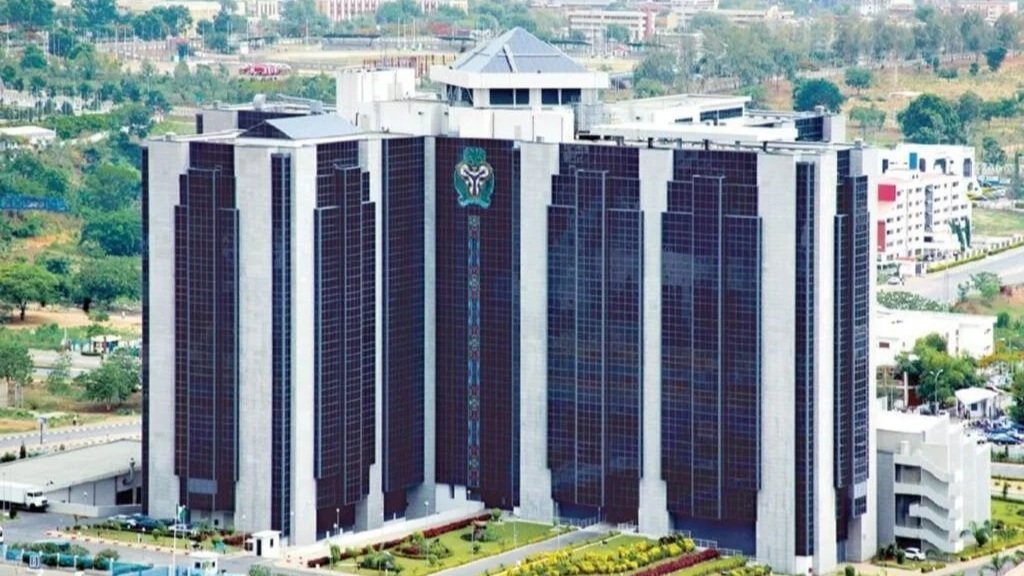
Banks Ordered to Block Transactions of Sanctioned Individuals and BDC Operators
The Central Bank of Nigeria (CBN) has directed all banks, payment service banks, financial institutions, and designated non-financial businesses to immediately freeze accounts, assets, and transactions linked to six individuals and four Bureau de Change (BDC) operators identified for alleged terrorism financing. The directive forms part of Nigeria's ongoing efforts to strengthen its anti-money laundering and counter-terrorism financing framework.
/ You Might Also Like /




The instruction was contained in a circular dated June 24, 2026, issued by the apex bank and addressed to regulated financial institutions across the country. The action follows recent sanctions and designations made by Nigerian authorities against individuals and entities suspected of supporting terrorist financing networks.
Immediate Freeze on Accounts and Assets
Under the directive, financial institutions are required to identify and freeze all funds, assets, and economic resources belonging to the designated individuals and companies without prior notice. The freeze extends to accounts directly owned by the affected parties as well as accounts linked to them through associates, signatories, or beneficial ownership arrangements.
The CBN also instructed institutions to prevent any form of financial transaction involving the designated entities and to report compliance measures taken to the relevant authorities. Such actions are consistent with provisions of Nigeria's Terrorism (Prevention and Prohibition) Act and the country's sanctions regime.
Link to Recent Sanctions Designations
The directive follows the publication of an updated sanctions list by the Nigeria Sanctions Committee. The list includes six individuals and several business entities alleged to have participated in terrorism financing activities. Some of the designated entities were also recently sanctioned by the United States Treasury Department over alleged links to financing activities associated with the Islamic State West Africa Province (ISWAP).
According to information released by Nigerian authorities, the sanctions were approved in line with the country's counter-terrorism financing framework, which empowers regulators to freeze assets and restrict financial access for designated persons and organisations.
Implications for Banks and Financial Institutions
The latest directive places additional compliance responsibilities on banks and other financial service providers. Institutions are expected to conduct enhanced due diligence, review customer databases, identify affected accounts, and immediately implement the required restrictions.
Nigeria's anti-money laundering and counter-terrorism financing regulations require financial institutions to report suspicious transactions and freeze assets linked to designated persons or entities. Failure to comply could expose institutions to regulatory sanctions and enforcement actions.
The move also reflects broader efforts by regulators to strengthen the integrity of Nigeria's financial system and align local compliance standards with international anti-money laundering and counter-terrorism financing requirements.
Growing Focus on Financial Security
Nigeria has intensified efforts in recent years to combat illicit financial flows, terrorism financing, and money laundering. Regulatory agencies including the CBN, the Nigerian Financial Intelligence Unit (NFIU), the Economic and Financial Crimes Commission (EFCC), and the Nigeria Sanctions Committee have increased monitoring and enforcement activities across the financial sector.
The latest action underscores the government's commitment to preventing the misuse of financial institutions for unlawful activities while improving the country's compliance with international financial crime prevention standards.
Impact on Investor Confidence and Financial Stability
For investors and financial market participants, effective enforcement of anti-terrorism financing measures remains a critical component of maintaining confidence in the banking system. Strong compliance frameworks help protect financial institutions from reputational risks, strengthen regulatory credibility, and support international banking relationships.
Analysts note that continued enforcement of financial crime regulations could enhance Nigeria's standing within the global financial system while reducing vulnerabilities associated with illicit financial networks.
Conclusion
The CBN's directive to freeze the assets and accounts of six individuals and four Bureau de Change operators marks another significant step in Nigeria's campaign against terrorism financing. As financial institutions implement the order, regulators are expected to maintain close oversight to ensure full compliance and safeguard the integrity of the country's financial system.
READ MORE