Julius Berger, Stakeholders Intensify Rescue Efforts After Port Harcourt Building Collapse
Construction Safety Under Spotlight After Port Harcourt Building Collapse
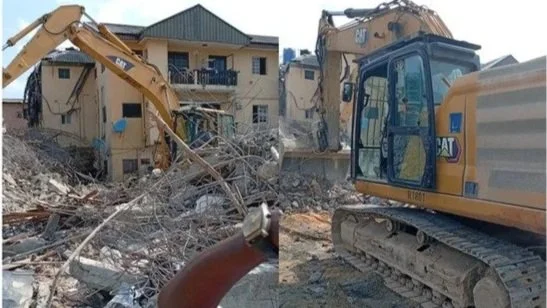
Rescue operations have intensified in Port Harcourt following the collapse of a five-storey building under construction along Dr. Peter Odili Road in Rivers State. The incident, which occurred on Wednesday morning near Eterna Filling Station, trapped several construction workers and prompted a coordinated emergency response involving construction firms, government agencies, security personnel, and local residents.
/ You Might Also Like /




Leading construction company Julius Berger Nigeria Plc joined rescue efforts by deploying heavy-duty equipment and technical resources to assist responders searching for survivors beneath the rubble. The collapse has renewed concerns about construction safety standards and regulatory compliance within Nigeria's rapidly expanding urban centres.
Rescue Operations Intensify
According to reports, the structure collapsed at approximately 10:30 a.m. on June 24, trapping an unspecified number of workers who were on-site at the time. Eyewitnesses indicated that several labourers were working in and around the building when the structure suddenly gave way. Early assessments suggested that at least seven individuals may have been trapped beneath the debris.
Emergency responders, supported by local residents and security agencies, immediately launched search-and-rescue operations. By Wednesday evening, three people had reportedly been rescued alive while efforts continued to locate other victims.
The incident occurred less than 24 hours after another reported building collapse in Port Harcourt, adding to growing public concerns about construction oversight and safety enforcement within the city.
Julius Berger Deploys Equipment and Technical Support
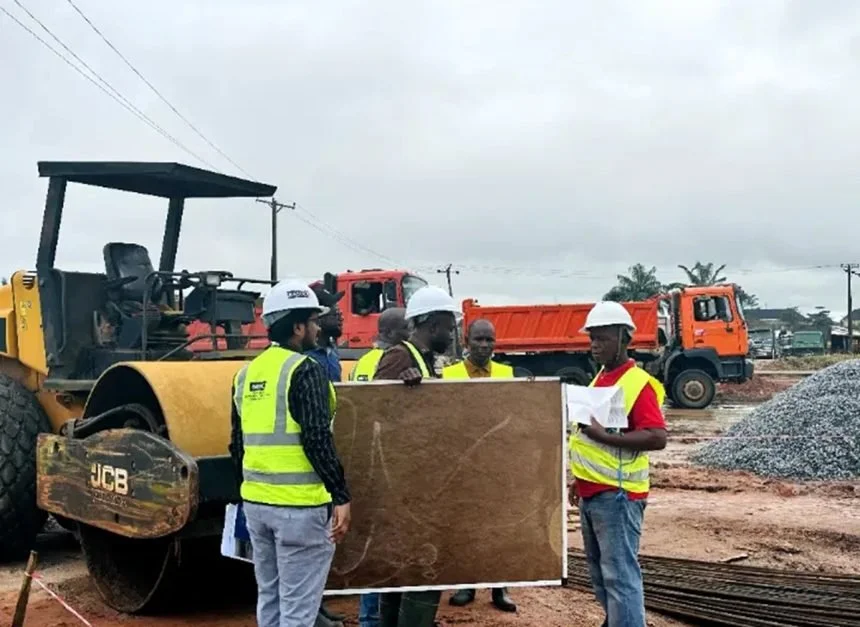
Julius Berger played a significant role in supporting rescue operations by providing specialised construction equipment and technical assistance. Resources deployed to the site included excavators, mobile cranes, wheel loaders, dump trucks, hydraulic breakers, and concrete-cutting equipment designed to facilitate the safe removal of debris.
The company also supplied lighting equipment, power generators, and safety gear to support emergency personnel working around the clock. These resources enabled responders to access difficult areas of the collapsed structure while minimising risks during the rescue process.
According to the company, the intervention reflects its commitment to supporting communities and preserving lives during emergencies.
Authorities Monitor Situation
Officials from the Rivers State Ministry of Physical Planning and Urban Development were present at the scene alongside police officers and other security agencies. Authorities coordinated rescue activities and monitored developments while preparations were made for a formal investigation into the cause of the collapse.
As of the time of reporting, officials had not released a definitive explanation for the structural failure. Investigators are expected to examine the building's design, construction processes, regulatory approvals, and compliance with safety standards once rescue operations are concluded.
Implications for Nigeria's Construction Sector
The latest incident highlights persistent concerns surrounding building safety, quality control, and regulatory enforcement within Nigeria's construction industry. Building collapses continue to pose significant risks to lives, property, and investor confidence, particularly in rapidly growing urban areas where demand for residential and commercial developments remains high.
For developers, contractors, and policymakers, the collapse underscores the importance of strict adherence to approved building plans, structural engineering standards, routine inspections, and effective supervision throughout project execution. Failure to maintain these standards can result in tragic outcomes and substantial economic losses.
The incident also raises broader questions about the effectiveness of building control mechanisms and the capacity of regulatory agencies to ensure compliance across the construction value chain.
Housing and Urban Development Perspective
Nigeria's urban population continues to expand, increasing demand for housing and commercial real estate developments. While this growth presents investment opportunities, experts have consistently emphasised that quality assurance and regulatory compliance must remain central to the sector's development.
Strengthening enforcement of building codes, improving professional oversight, and enhancing construction monitoring systems will be critical to reducing the frequency of structural failures and improving confidence in the real estate market.
For housing stakeholders, the Port Harcourt collapse serves as another reminder that sustainable urban development requires not only increased housing supply but also a strong commitment to safety, structural integrity, and accountability.
Conclusion
Rescue efforts remain ongoing following the collapse of the five-storey building under construction in Port Harcourt, with Julius Berger, emergency agencies, and government authorities continuing coordinated operations at the site. As investigations begin, attention is expected to focus on the factors that contributed to the collapse and the measures needed to strengthen safety standards across Nigeria's construction sector. The outcome of these investigations could have important implications for future building regulation and construction practices nationwide.
READ MORE