Nigeria seeks partnerships to build world-class steel industry
Nigeria Positions Steel Industry as Catalyst for Economic Growth
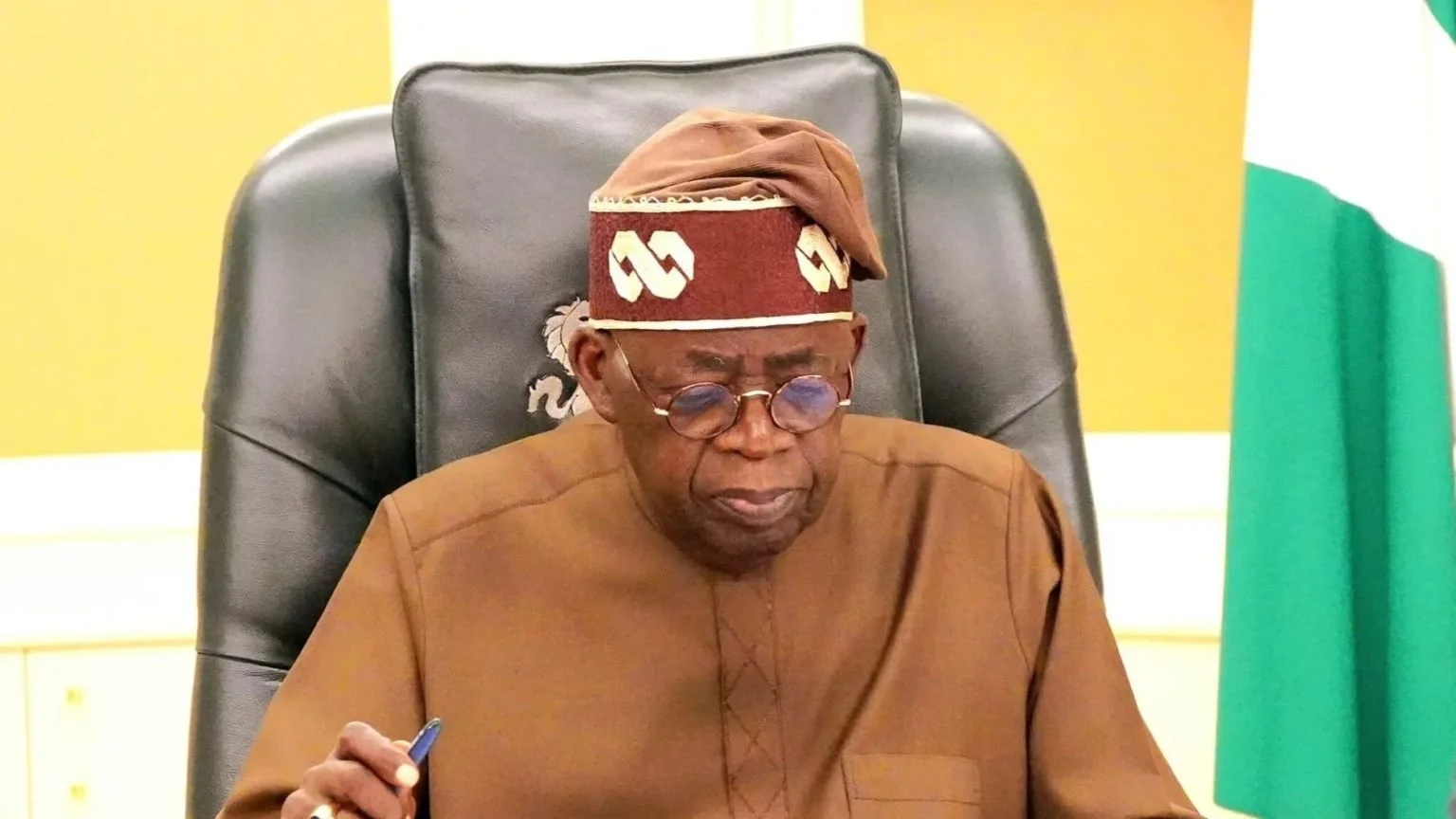
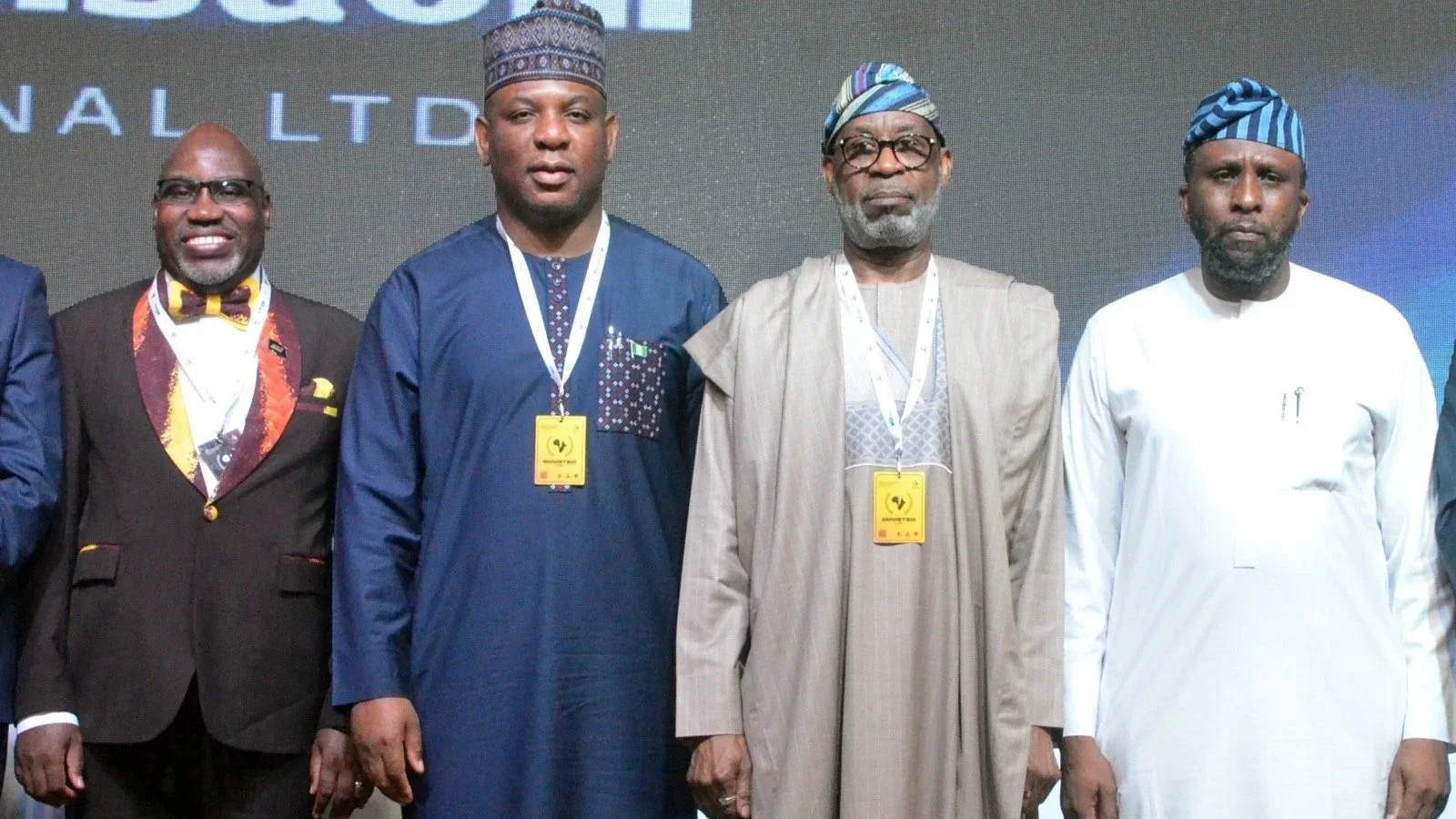
Nigeria has intensified efforts to revitalise its steel sector, with the Federal Government calling for stronger partnerships with investors, manufacturers, development institutions and industry stakeholders to build a globally competitive steel industry capable of driving industrialisation and economic growth across Africa. The appeal was made by the Minister of Steel Development, Prince Shuaibu Audu, during the fifth African Natural Resources and Energy Investment Summit (AFNIS) held in Abuja.
/ You Might Also Like /




The government believes that a modern and efficient steel industry will play a critical role in reducing dependence on imports, supporting infrastructure development, creating jobs and strengthening Nigeria's position as an industrial hub on the continent.
Government Highlights Investment Opportunities
Speaking at a panel session during the summit, Audu urged domestic and international investors to take advantage of the opportunities available within Nigeria's steel value chain. He highlighted fiscal incentives introduced by the government, including tax holidays and exemptions on certain machinery imports used in mining and steel production.
According to the minister, Nigeria's abundant natural resources and growing industrial demand present significant opportunities for long-term investment. He stressed that Africa must move beyond exporting raw materials and focus on value addition, industrial processing and manufacturing to achieve sustainable economic growth.
Audu said Nigeria is actively engaging global investors, financial institutions, technical partners and industry operators as part of a broader strategy to transform the country's steel industry into a resilient and competitive sector capable of supporting industrial development.
Steel Sector Central to Industrialisation Agenda
The government's renewed focus on steel development aligns with its wider economic diversification agenda, which seeks to reduce dependence on oil revenues and expand manufacturing capacity.
Industry experts have long identified steel production as a foundational component of industrial growth because it supports critical sectors including construction, transportation, energy, housing and manufacturing. A stronger domestic steel industry could also reduce Nigeria's reliance on imported steel products and conserve foreign exchange.
The Ministry of Steel Development has repeatedly emphasised that expanding local steel production will help create jobs, stimulate industrial activity and strengthen supply chains across multiple sectors of the economy.
Renewed Push to Attract Foreign Investment
The latest appeal for partnerships follows several recent investment outreach initiatives by the ministry. Earlier in 2026, the Federal Government sought German investment to help develop Nigeria's steel industry, with officials highlighting the country's estimated $10 billion annual steel market and growing domestic demand.
The government has also sought strategic partnerships with European and Asian investors to support steel production, mineral processing, infrastructure development and technology transfer. Officials say these collaborations are essential for accelerating industrial growth and strengthening local technical capacity.
In 2025, the Ministry of Steel Development signed a cooperation agreement with Stellar Steel Company Limited for the development of a major steel manufacturing project in Ogun State. The project is expected to create thousands of direct and indirect jobs while supporting Nigeria's goal of increasing crude steel production.
Ajaokuta Remains Key to Sector Transformation
Efforts to revive Nigeria's steel industry continue to place significant attention on the long-awaited completion and operationalisation of the Ajaokuta Steel Complex in Kogi State. The facility, conceived as the cornerstone of Nigeria's steel ambitions, remains one of the country's largest industrial projects.
Successive administrations have pursued partnerships with international investors and technical partners to revitalise the complex and unlock its economic potential. The Federal Government views the project as a strategic asset capable of boosting domestic steel production and supporting broader industrial development goals.
Industry stakeholders have consistently argued that a functional Ajaokuta Steel Complex, supported by investments in mining, transportation and energy infrastructure, could significantly improve Nigeria's industrial competitiveness.
Building a Competitive Industrial Future
The Federal Government's latest call for collaboration reflects growing momentum behind efforts to reposition Nigeria as a major industrial and manufacturing centre in Africa. By attracting investment, strengthening infrastructure and expanding steel production capacity, policymakers aim to create a more diversified economy capable of generating employment and supporting long-term growth.
As global demand for industrial materials continues to rise, the success of Nigeria's steel development strategy will depend on sustained investment, effective policy implementation and strong partnerships between government, private sector operators and international stakeholders.
Conclusion
Nigeria is seeking to transform its steel sector into a cornerstone of industrial development by attracting strategic partnerships and investment across the value chain. With renewed government support, investor engagement and ongoing efforts to revive critical assets such as Ajaokuta Steel, the country is positioning the sector as a key driver of economic diversification, manufacturing growth and regional competitiveness.
READ MORE