Nigeria’s business conditions improve for third month
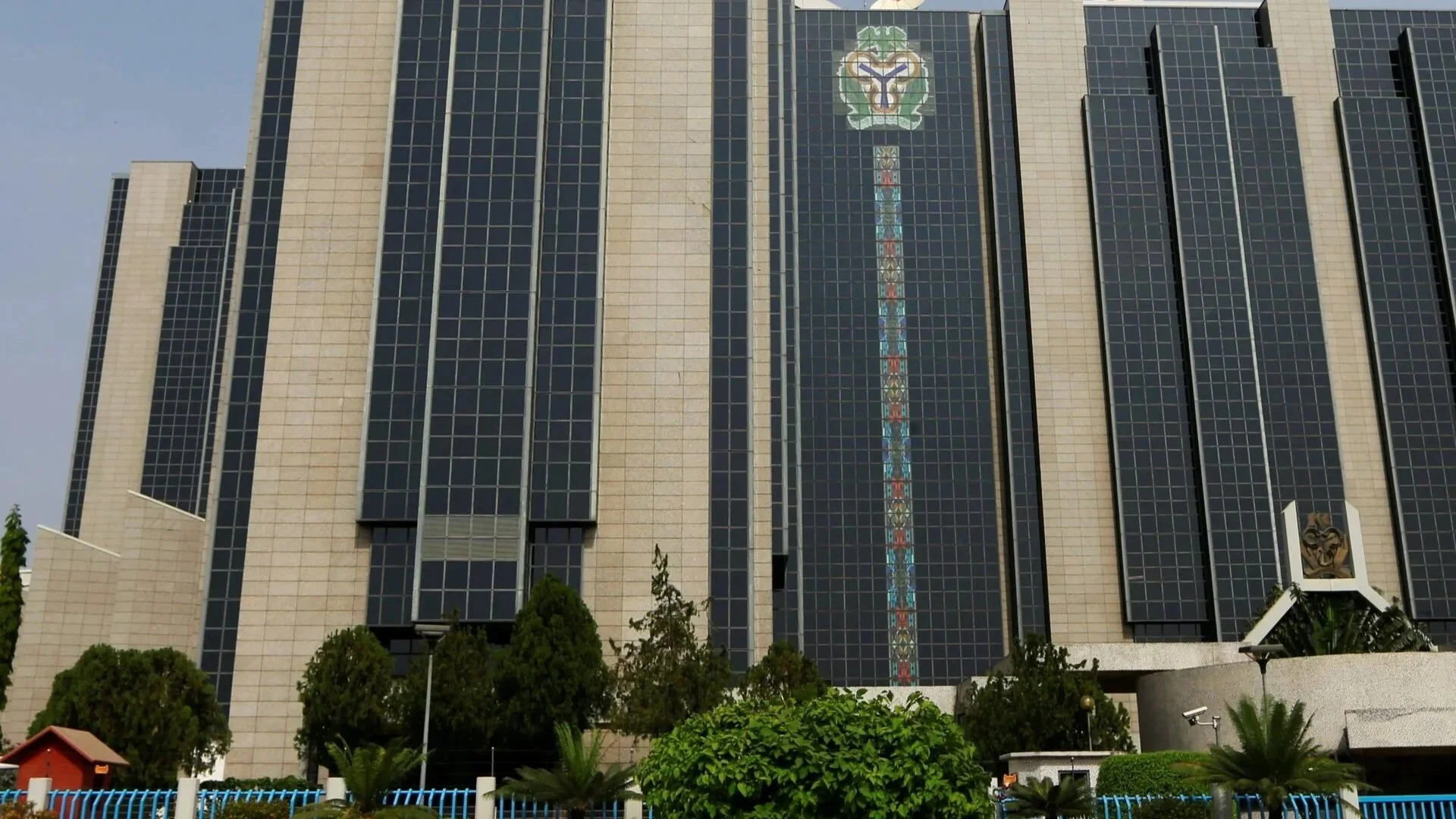
Business conditions in Nigeria improved for the third consecutive month, according to the Central Bank of Nigeria, indicating continued expansion in economic activity despite persistent cost and operating pressures.
The development comes as businesses continue to adjust to changing monetary and economic conditions, with stronger activity providing a potentially more supportive environment for investment and expansion. The CBN's latest assessment adds to recent indicators pointing to continued economic recovery.
/ You Might Also Like /




Business Activity Continues to Strengthen
The latest improvement extends a three-month trend of strengthening business conditions in Nigeria.
The CBN's assessment comes against a backdrop of improving overall economic activity, with recent data showing continued expansion across important parts of the economy.
For businesses, sustained improvement in operating conditions can create greater confidence to maintain production, expand capacity and make longer-term investment decisions.
However, businesses continue to face challenges from high operating costs, financing conditions, infrastructure constraints and elevated prices.
Manufacturing and Other Sectors Remain Important
The performance of the business environment remains closely linked to activity in manufacturing, services, agriculture and other productive sectors.
Manufacturers, in particular, require a combination of affordable credit, reliable electricity, efficient transportation and stable access to raw materials to expand production.
Improved business conditions therefore need to be accompanied by lower structural costs if the recovery is to translate into stronger private-sector investment.
Implications for Construction and Real Estate
Improving business conditions could have a positive knock-on effect on Nigeria's construction and property markets if the trend is sustained.
Stronger business activity can support demand for offices, warehouses, industrial facilities, retail space and other commercial property. Companies that expand operations may also require new premises or additional space for production and distribution.
Improved economic conditions can also strengthen household and business confidence, potentially supporting demand for housing and property investment.
However, these effects will depend on whether improvements in economic activity translate into stronger incomes and purchasing power. High construction costs, land prices and financing expenses remain significant constraints on housing affordability.
Investment Confidence Remains Important
A sustained improvement in business conditions could strengthen investor confidence if companies begin to see greater stability in demand and operating costs.
For Nigeria to convert improving economic activity into higher levels of investment, businesses will still require greater certainty around monetary policy, foreign exchange, taxation, infrastructure and regulation.
The ability of companies to access reasonably priced credit will also remain important, particularly for capital-intensive sectors such as manufacturing, construction and real estate.
Outlook for Nigeria’s Economy
The third consecutive month of improved business conditions provides another indication that economic activity is strengthening.
For the housing and real estate sector, the key issue will be whether this improvement becomes broad enough to increase household purchasing power, business investment and access to finance.
If the trend continues alongside lower inflation, improved credit conditions and greater investment in infrastructure, it could provide a stronger foundation for construction and property-market activity.
For now, the CBN's latest assessment points to continued improvement in Nigeria's business environment, although significant cost and financing pressures remain.
READ MORE