NEMA tests flood response capacity in Ogun
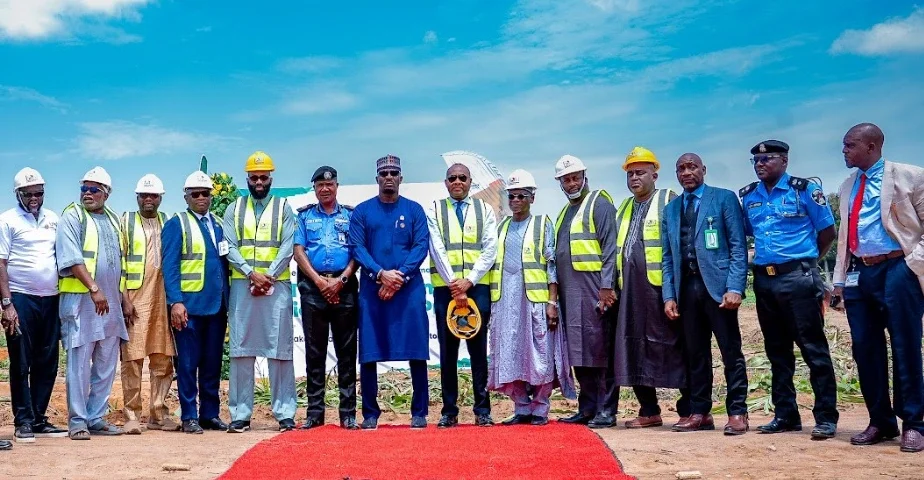
The National Emergency Management Agency (NEMA) has conducted a full-scale flood disaster response simulation in Ogun State as part of efforts to strengthen preparedness, coordination and emergency response to flooding.
The exercise was held at the Apo River in Owu, Abeokuta, on Thursday, September 3, with NEMA Director-General Zubaida Umar urging stakeholders to improve coordination and preparedness to minimise the effects of flood disasters.
/ You Might Also Like /




Simulation Tests Emergency Response
NEMA said the exercise was designed to improve coordination, communication, interoperability and efficiency among organisations involved in disaster risk management.
Full-scale simulations allow emergency agencies and other stakeholders to test their response procedures under conditions designed to replicate an actual disaster.
The exercise therefore provides an opportunity to identify gaps in communication, mobilisation and coordination before a major flood emergency occurs.
Stronger Coordination Needed
Umar emphasised the importance of collaboration among stakeholders in managing flood risks.
Effective flood response involves more than emergency agencies. State and local authorities, security agencies, health services, community organisations and infrastructure managers all have roles to play in protecting residents and limiting damage.
Better coordination can also help reduce delays when communities require evacuation, rescue operations, medical assistance or emergency supplies.
Flood Risk Has Implications for Housing
Flood preparedness remains particularly important for Nigeria's housing sector as urban expansion increases pressure on land and drainage infrastructure.
Poor drainage, development in flood-prone areas and inadequate maintenance of waterways can expose residential communities to recurring flood damage.
For homeowners and developers, flooding can result in damage to buildings, roads, drainage systems, electrical installations and other infrastructure. Repeated flooding can also reduce the attractiveness and value of affected locations.
This makes flood-risk assessment an important consideration in housing development, particularly in areas experiencing rapid urban growth.
Ogun’s Growing Urban Development
Ogun State has experienced significant residential, commercial and industrial development, particularly around the Lagos-Ogun corridor.
As new communities and developments expand, the adequacy of drainage, roads and other supporting infrastructure becomes increasingly important.
Flood-management planning therefore needs to keep pace with development. Housing delivery without adequate drainage and water-management infrastructure can increase the vulnerability of communities during periods of heavy rainfall.
Disaster Preparedness and Urban Planning
The NEMA exercise also highlights the need to integrate disaster-risk management into wider urban planning.
Flood resilience can involve measures such as maintaining drainage networks, protecting natural waterways, enforcing development regulations and ensuring that new developments consider local flood risks.
Early-warning systems and community preparedness are equally important because effective disaster management depends on action before, during and after a flood event.
Building More Resilient Communities
For Nigeria's housing market, reducing flood exposure requires cooperation between government agencies, developers and communities.
Developers need reliable information about flood risks when selecting sites, while planning authorities must ensure that new developments comply with appropriate environmental and infrastructure requirements.
At the community level, residents also need access to timely warnings and clear evacuation procedures.
The NEMA simulation demonstrates the importance of testing these systems rather than waiting for a major disaster to expose weaknesses.
Outlook
NEMA's full-scale flood response exercise in Ogun provides an opportunity to strengthen the country's preparedness for future flood emergencies.
Beyond emergency response, however, reducing the impact of flooding will require sustained investment in drainage, water management, resilient infrastructure and better-informed urban development.
For the housing sector, stronger flood-risk planning will be essential as Nigerian cities expand and more residential developments move into areas where inadequate infrastructure can increase exposure to climate-related hazards.
READ MORE