Bayelsa Family Challenges Oil Facility Land Use, Demands Compensation
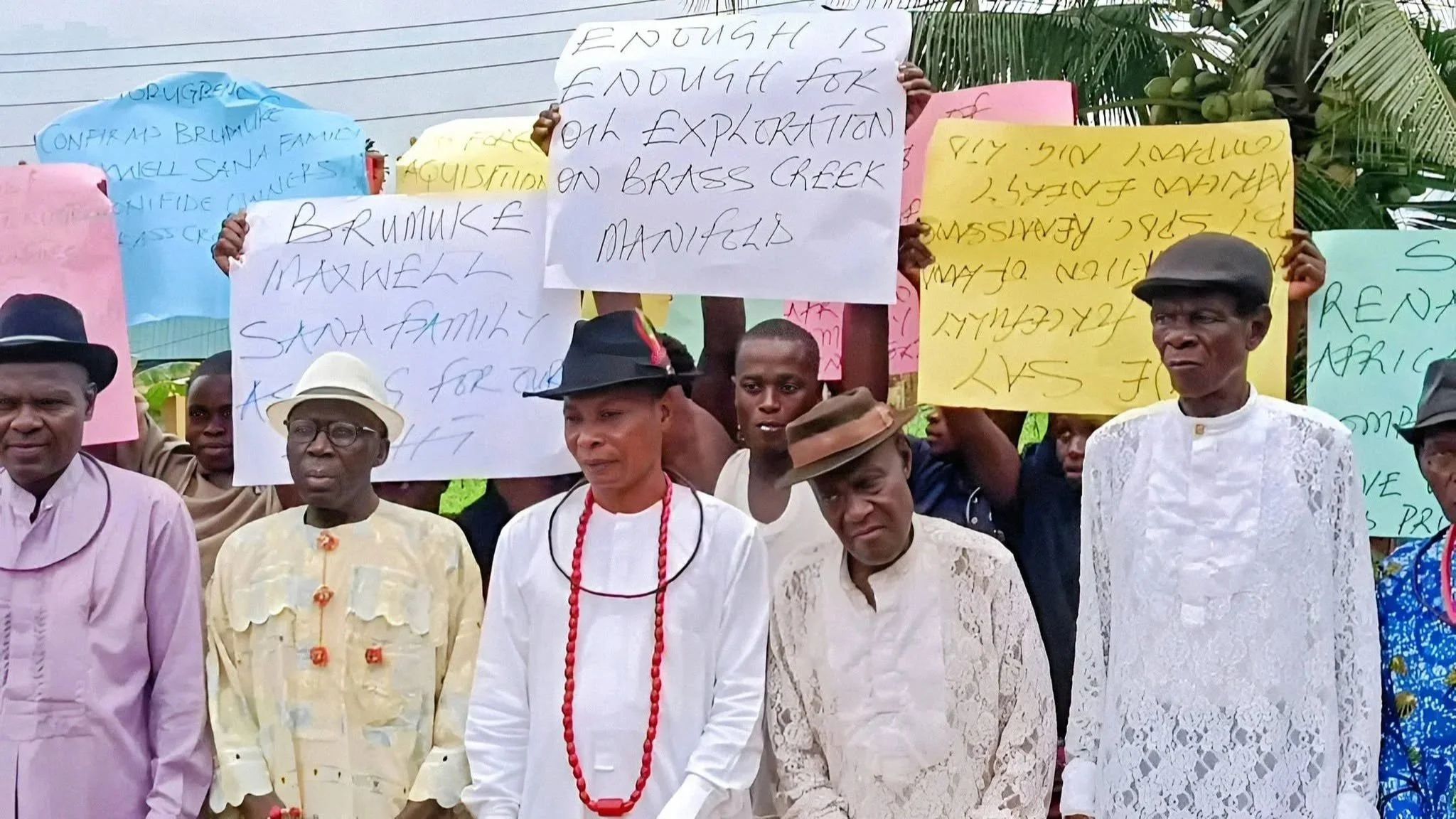
Bayelsa Family Raises Compensation Claim Over Oil Facility Land
A family in Ekeremor Local Government Area of Bayelsa State is demanding compensation for land it says has been occupied by an oil facility, bringing renewed attention to land ownership, compensation and the rights of communities hosting energy infrastructure.
The Brumuke Sana family is seeking compensation over the use of its land for oil-related infrastructure
/ You Might Also Like /




Family Raises Claim Over Land Ownership
The dispute centres on land in Ekeremor, an oil-producing area of Bayelsa State where petroleum infrastructure and community land interests frequently intersect.
The family is seeking compensation for the use of the property, placing the issue of land ownership and the financial obligations associated with acquiring or occupying land at the centre of the dispute.
Such disputes can arise where communities or families retain customary or documented interests in land that later becomes required for industrial, energy or infrastructure projects.
Compensation Remains Central to Land Acquisition
Compensation is an important component of land acquisition where privately or communally held interests are affected by public or commercial development.
For property owners and investors, the process highlights the importance of establishing ownership, identifying existing interests and completing the required legal and valuation procedures before land is developed.
Where compensation disputes remain unresolved, they can create uncertainty for both landowners and project operators.
Oil Infrastructure Creates Pressure on Land
Oil-producing communities across the Niger Delta frequently host infrastructure required for exploration, production, transportation and processing activities.
The economic value of such infrastructure can be substantial, but its development also requires access to land and can affect existing land uses.
This creates the need for transparent arrangements between landowners, communities, government authorities and operators.
A 2024 Federal Government investigation into complaints by Bayelsa communities against oil companies also involved allegations of land grabbing and inadequate compensation, demonstrating that land-related disputes remain a recurring issue in the state's oil-producing areas.
Land Rights Have Wider Real Estate Implications
Although the current dispute involves an oil facility, the underlying issue has wider implications for Nigeria's property market.
Land remains the foundation of residential, commercial, industrial and infrastructure development. Unclear ownership, competing claims and inadequate documentation can delay projects and expose investors to litigation.
For developers, conducting proper title searches and confirming the legal status of land before acquisition remains critical to reducing project risks.
Compensation Disputes Can Delay Development
Unresolved land compensation claims can also affect the implementation of major projects.
Where landowners challenge the acquisition or occupation of their property, developers may face legal proceedings, delays and additional costs.
For large-scale energy projects, these risks can become particularly significant because infrastructure often crosses large areas and affects multiple communities.
Clear acquisition procedures and timely compensation can therefore help reduce disputes and improve project certainty.
Need for Transparent Land Acquisition
The Bayelsa case also reinforces the need for transparent land acquisition processes.
Government agencies and private operators involved in infrastructure development need to establish clear ownership records, undertake appropriate valuations and engage affected landowners before projects commence.
For communities, access to appropriate legal and valuation advice can help landowners understand their rights and negotiate compensation where their property interests are affected.
Implications for Property Investors
The case serves as a reminder that property investment involves more than assessing location and market value.
Investors must establish the legal ownership of land, verify titles and identify potential claims or encumbrances before committing funds.
This is particularly important in areas experiencing rapid industrialisation or infrastructure development, where land values can increase and competing interests may emerge.
Outlook
The compensation demand by the Brumuke Sana family highlights the continuing importance of land rights and compensation in Nigeria's infrastructure and property development landscape.
As energy and other large-scale projects expand across the country, transparent land acquisition, accurate valuation and timely compensation will remain important to reducing disputes and protecting both landowners and investors.
For Nigeria's broader real estate market, stronger land administration and clearer ownership records would provide greater certainty for property transactions and long-term investment.
READ MORE