Expert Seeks ₦100bn Fund to Scale Nigeria’s Electric Vehicle Sector
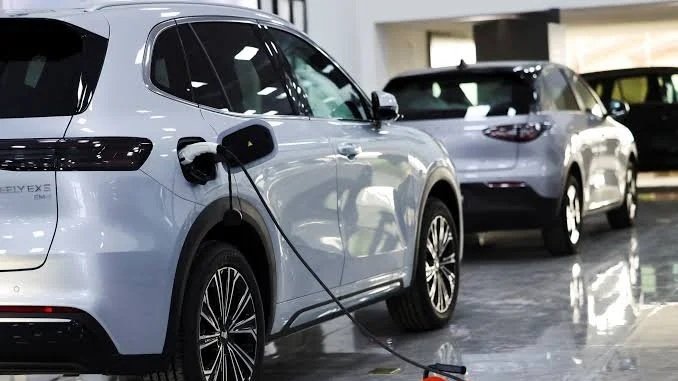
Expert calls for ₦100bn fund to accelerate Nigeria’s EV sector
The Managing Director of Leke Services Ltd., Laolu Adeola, has called for the establishment of a ₦100 billion fund to accelerate the growth of Nigeria’s electric vehicle (EV) sector, citing high interest rates and limited access to suitable fleet contracts as major constraints on industry expansion.
Adeola made the call in Abuja on Wednesday, saying entrepreneurs operating in the sector need access to affordable financing to expand businesses that have already demonstrated commercial potential.
/ You Might Also Like /




High Interest Rates Constrain EV Businesses
Adeola identified the cost of capital as one of the biggest obstacles facing electric vehicle businesses in Nigeria.
According to him, commercial banks charge interest rates of up to 35 per cent because they often view EV businesses as high-risk ventures due to limited understanding of their business models and risk profiles.
He argued that concessional financing would allow existing operators to expand their businesses and support wider adoption of electric mobility.
Expert Projects Strong EV Industry Growth
Adeola said Nigeria's electric vehicle market has developed over the past 10 to 15 years, providing a foundation for further commercial expansion.
He projected that the sector could grow by more than 80 per cent annually over the next five years if its financing challenges are addressed.
The proposed ₦100 billion fund would therefore be targeted at businesses that have already demonstrated the viability of EV-related activities and need additional capital to scale.
Charging Infrastructure Remains a Major Challenge
Beyond financing, the development of charging infrastructure remains critical to the expansion of electric mobility in Nigeria.
Adeola described the relationship between EV adoption and charging infrastructure as a “chicken and egg” situation, noting that charging stations require sufficient utilisation to become commercially viable. He estimated that utilisation levels of between 30 and 50 per cent are needed for charging stations to operate profitably.
This creates a challenge for investors because charging infrastructure must be available before widespread EV adoption can occur, while operators also need a sufficiently large EV user base to generate sustainable revenues.
EV Growth Could Create New Infrastructure Demand
Expansion of the electric vehicle sector could generate demand for new infrastructure, including charging stations, battery facilities, maintenance centres and specialised commercial spaces.
For Nigeria's property and construction sectors, this could create opportunities for developers to integrate EV charging facilities into residential estates, shopping centres, office complexes, transport terminals and other developments.
The growth of electric mobility could therefore gradually influence the design and infrastructure requirements of future property developments.
Government Support Could Accelerate Adoption
Adeola's call for concessional financing comes alongside wider efforts to address policy and financing challenges in Nigeria's EV sector.
At a separate roundtable organised by Leke Services, the Federal Government urged stakeholders to provide timely industry data to support policies and regulations aimed at protecting local businesses and promoting domestic production.
The government said it was working with ministries, departments and agencies as well as private-sector stakeholders to promote Nigerian content and move the economy from consumption towards production and wealth creation.
EV Transition Could Support Real Estate Development
The expansion of electric mobility could have implications for Nigeria's property market as developers respond to changing transportation and energy needs.
Residential and commercial developments that incorporate EV charging infrastructure could become more attractive as electric vehicle adoption increases.
For developers, however, the business case will depend on the pace of EV adoption, electricity reliability, charging demand and the cost of installing and maintaining charging facilities.
Financing Remains Critical to Sector Expansion
The proposed ₦100 billion intervention highlights the wider financing challenge facing emerging sectors in Nigeria.
Access to long-term and affordable capital is particularly important for businesses operating in industries that require substantial upfront investment in vehicles, equipment and infrastructure.
If financing becomes more accessible, EV operators could expand fleets, establish charging networks and develop supporting services, potentially creating new investment opportunities across the mobility and infrastructure value chains.
Outlook
The proposed ₦100 billion fund reflects growing calls for targeted financing to accelerate Nigeria's transition towards electric mobility.
While high borrowing costs remain a major constraint, the development of charging infrastructure, appropriate regulation and stronger industry data will also determine the pace of EV adoption.
For Nigeria's property and infrastructure sectors, a sustained expansion of electric mobility could create new demand for charging facilities and reshape infrastructure requirements across residential, commercial and transport developments.
READ MORE