Eight Shops Destroyed as Rain-Induced Building Collapse Hits Anambra
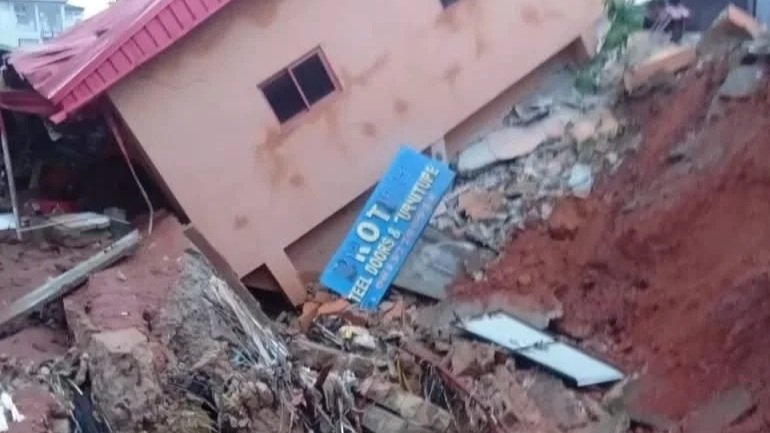
An eight-shop commercial building in Anambra State has collapsed following heavy rainfall, renewing concerns about structural safety, construction standards and the growing impact of extreme weather events on Nigeria’s built environment. The incident occurred after prolonged rainfall weakened the structure, leading to its eventual collapse and causing significant property damage.
/ You Might Also Like /




According to reports, no fatalities were recorded, as occupants and traders had vacated the premises before the building gave way. However, the collapse resulted in substantial losses for business owners and has prompted calls for stricter enforcement of building regulations across the state.
Incident Highlights Structural Safety Concerns
The collapse occurred during a period of intense rainfall that affected several parts of Anambra State. Witnesses reported that visible signs of structural distress had appeared before the building eventually failed.
Local authorities and emergency responders quickly moved to secure the area and assess the extent of the damage. Officials have also commenced investigations to determine the immediate and underlying causes of the collapse.
Building failures remain a recurring challenge in several Nigerian cities, often drawing attention to issues such as poor construction practices, inadequate supervision, substandard materials and weak compliance with approved building standards.
Heavy Rainfall Increases Pressure on Urban Infrastructure
The incident comes as many parts of Nigeria experience increased rainfall associated with the peak wet season. Urban planners and construction experts have repeatedly warned that ageing infrastructure, inadequate drainage systems and poor building maintenance can increase vulnerability during periods of intense precipitation.
Heavy rainfall places additional stress on foundations, retaining structures and drainage networks. Where buildings are poorly designed or maintained, prolonged water infiltration can weaken structural components and accelerate deterioration.
Experts note that climate-related weather events are becoming an increasingly important consideration in urban development and infrastructure planning. As rainfall patterns become more intense, property developers and regulators face growing pressure to improve resilience standards.
Importance of Building Code Compliance
The Anambra collapse has once again highlighted the need for strict adherence to building regulations and construction standards. Industry professionals argue that compliance with approved designs, proper site investigations and regular inspections are essential to preventing structural failures.
Regulatory authorities across Nigeria have intensified efforts in recent years to improve monitoring of construction activities. However, experts maintain that enforcement remains inconsistent in some areas, allowing unsafe structures to remain in use.
Stakeholders in the built environment sector continue to advocate stronger collaboration between developers, engineers, architects and regulatory agencies to improve construction quality and reduce safety risks.
Economic Impact on Small Businesses
Beyond the structural damage, the collapse has affected traders and business owners who relied on the commercial complex for their livelihoods. The destruction of shops and inventory represents a direct financial loss for affected occupants and may disrupt commercial activity in the area for an extended period.
Commercial property incidents of this nature can also affect investor confidence, particularly when questions arise regarding construction quality and regulatory oversight. Real estate analysts note that safe and well-regulated property markets are essential for attracting investment and supporting sustainable urban growth.
The incident therefore carries implications beyond the immediate physical damage, highlighting broader concerns about risk management within the property sector.
Need for Improved Urban Resilience
Urban development experts argue that building safety should form part of a wider strategy to strengthen resilience across Nigerian cities. This includes improved drainage infrastructure, effective development control, regular building inspections and enforcement of environmental regulations.
As cities continue to expand, authorities face increasing pressure to ensure that both new and existing structures can withstand environmental and climatic challenges. Investments in resilient infrastructure and stronger regulatory frameworks are viewed as critical to reducing future risks.
The incident in Anambra also reinforces the importance of periodic structural assessments, particularly for commercial buildings exposed to prolonged weather-related stress.
Implications for the Housing and Construction Sectors
Although the collapse involved a commercial property, the lessons extend across the wider housing and construction industries. Developers, investors and policymakers increasingly recognise the importance of quality assurance, professional oversight and compliance with building codes.
The event serves as a reminder that rapid urbanisation must be accompanied by strong regulatory systems capable of ensuring safety and sustainability. Failure to address these issues could increase risks for property owners, occupants and investors alike.
Industry stakeholders continue to call for stronger monitoring mechanisms, improved professional standards and greater accountability throughout the construction process.
Outlook
The collapse of the eight-shop building in Anambra highlights the ongoing challenges facing Nigeria’s built environment as urban centres contend with ageing infrastructure, climate-related pressures and compliance gaps. While investigations continue, the incident underscores the importance of structural integrity, effective regulation and resilient urban planning.
For policymakers, developers and construction professionals, the event serves as another reminder that safeguarding lives, property and investments requires sustained commitment to quality construction practices and robust regulatory enforcement. As the rainy season progresses, attention is likely to remain focused on building safety and infrastructure resilience across the country.
READ MORE