African Leaders Push for Greater Control of Critical Minerals Wealth
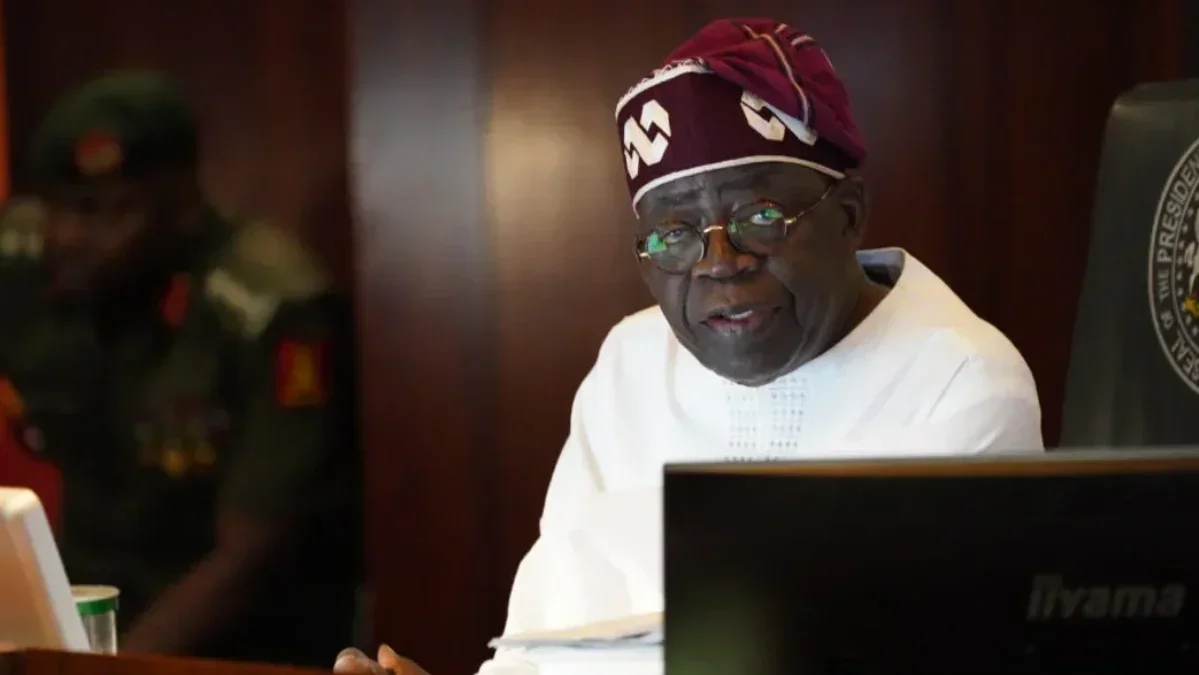
President Bola Tinubu
African leaders are set to intensify efforts to secure greater control over the continent’s critical mineral resources and retain more value from mining as global demand for minerals used in clean energy, advanced manufacturing and technology continues to rise.
/ You Might Also Like /




The push will take centre stage at the Third Africa Minerals Strategy Group (AMSG) High-Level Roundtable on Critical Minerals Development in Africa, scheduled for September 21, 2026, in Manhattan, New York, on the sidelines of the 81st United Nations General Assembly. President Bola Tinubu, who chairs the AMSG General Assembly, is expected to lead the meeting.
Africa Targets Greater Value From Mineral Resources
The summit, themed “From Resources to Wealth: Continental Cooperation for Mineral Value Addition”, will bring together African leaders, government representatives, investors, development finance institutions and companies involved in mining, processing, technology, logistics and mineral traceability.
The discussions will focus on developing integrated mineral value chains, attracting investment and strengthening cooperation among African countries.
The objective is to move the continent beyond the export of raw minerals and increase domestic processing and manufacturing capacity.
Africa possesses significant deposits of minerals including lithium, copper, cobalt, graphite, manganese and rare earth elements. These resources are increasingly important to electric vehicles, renewable energy systems, advanced manufacturing, artificial intelligence and other strategic industries.
A Push for Continental Cooperation
The AMSG is expected to advance the implementation of the Mutual Assured Development (MADE) Framework, which was launched at the African Natural Resources and Energy Investment Summit in Abuja earlier in 2026.
The group will also unveil the proposed Continental Integration and Economic Assurance Declaration (CIEAD), which is expected to provide a framework for cooperation on critical minerals.
The proposed declaration will address policy coordination, investment mobilisation, mineral value addition and supply-chain security while seeking to strengthen Africa’s bargaining position in the global minerals market.
New Financing Mechanism Proposed
A major component of the initiative is the proposed CIEAD Finance Window.
The mechanism is designed to mobilise capital for mineral processing, infrastructure, technology and other components required to develop competitive mineral value chains within Africa.
The financing focus reflects one of the sector’s major challenges: many African countries have significant mineral resources but lack sufficient processing infrastructure, technical capacity and capital to convert those resources into higher-value products.
Africa Seeks to Move Beyond Raw Mineral Exports
The renewed push comes amid growing concerns that Africa captures only a limited share of the economic value generated from its natural resources.
The United Nations Economic Commission for Africa has said the continent holds about 30% of global reserves of critical energy-transition minerals, including cobalt, copper, graphite, lithium, manganese, nickel, platinum group metals and rare earth elements.
However, the continent continues to export significant quantities of raw materials while importing finished or higher-value products.
ECA Executive Secretary Claver Gatete recently argued that Africa needs to move into processing, manufacturing and technology development to capture more value from its mineral resources.
Mineral Processing Could Drive Industrial Development
Greater local processing could create opportunities beyond the mining sector.
Developing mineral-processing facilities would require investment in electricity, roads, rail networks, ports, industrial parks and other supporting infrastructure. It could also increase demand for skilled labour, engineering services, logistics and manufacturing.
The ECA has noted that critical minerals could provide a pathway towards industrialisation, regional integration and technological development if African countries build stronger value chains around their resources.
This creates a broader economic opportunity because mineral development can stimulate infrastructure investment and industrial activity around mining and processing locations.
Infrastructure Remains Critical
The success of Africa’s mineral value-addition strategy will depend heavily on infrastructure.
Processing minerals locally requires reliable electricity, efficient transport networks, water supply and industrial infrastructure. Without these, African producers may continue to face higher operating costs and struggle to compete with established processing centres outside the continent.
The ECA has specifically highlighted the importance of reliable and affordable energy in supporting mineral processing, refining, recycling and manufacturing.
Nigeria’s Role in the Minerals Strategy
Nigeria is seeking a larger role in Africa’s emerging critical-minerals economy.
The country has been pursuing reforms aimed at attracting investment into mining and mineral processing. The Minister of Solid Minerals Development, Dele Alake, said Nigeria had attracted more than $2 billion in domestic mineral-processing investments as part of efforts to develop the sector.
Tinubu’s expected role at the New York roundtable also places Nigeria at the centre of the continental discussion on mineral value addition and investment.
For Nigeria, greater mineral processing could support industrial development while reducing dependence on the export of unprocessed resources.
Implications for Investment and Infrastructure
The push for local value addition could create investment opportunities across several parts of Africa’s economy.
Mineral-processing plants require supporting infrastructure, while large-scale mining and industrial projects require roads, railways, power generation, water systems, warehouses and logistics facilities.
This could create opportunities for infrastructure investors, construction companies, industrial developers and financial institutions.
For policymakers, however, attracting investment will require predictable regulations, transparent licensing processes, reliable infrastructure and mechanisms that ensure mining communities also benefit from mineral development.
Africa Faces a Narrow Window of Opportunity
Global demand for critical minerals is rising as countries expand clean-energy technologies and strengthen supply-chain security.
The ECA has warned that demand for critical energy-transition minerals could more than triple by 2030 under net-zero scenarios.
This gives African countries an opportunity to negotiate stronger positions in global supply chains. But capturing greater value will require coordinated policies and investment in processing capacity rather than relying primarily on exports of raw materials.
Outlook
The September AMSG summit will provide African leaders with an opportunity to move the continent’s critical-minerals agenda from policy discussions towards investment and implementation.
The proposed frameworks and financing mechanisms could help strengthen cooperation, attract capital and support the development of mineral-processing and manufacturing capacity across Africa.
For Nigeria and other resource-rich African economies, the central challenge will be converting mineral wealth into broader economic development through local value addition, infrastructure, jobs and industrial capacity rather than continuing to depend mainly on the export of raw resources.
READ MORE