Beer Prices May Rise as Brewers Face ₦112.87bn H1 Tax Bill, Higher Energy Costs
Beer Prices Under Pressure as Brewers’ H1 Tax Expenses Jump 58%
Nigeria’s major breweries are facing mounting cost pressures after their combined tax expenses rose sharply in the first half of 2026, alongside higher electricity, gas, diesel, transportation and other operating costs.
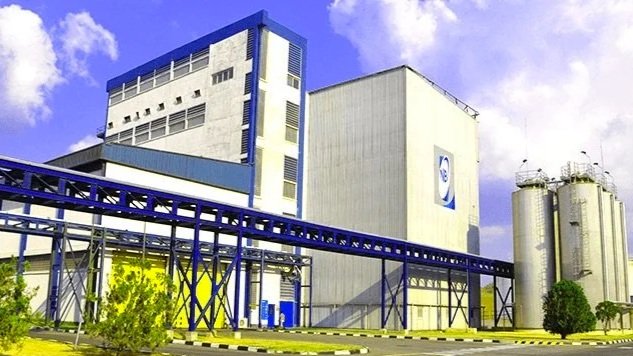
Nigerian Breweries Plc, Guinness Nigeria Plc and International Breweries Plc recorded combined tax expenses of ₦112.87 billion in the first half of 2026, up from ₦71.39 billion in the same period of 2025. The increase represents a rise of about 58 per cent.
/ You Might Also Like /




Brewers Face Rising Tax Burden
The increase in tax expenses adds to the financial pressure facing Nigeria’s brewing industry as manufacturers contend with a challenging operating environment.
Higher tax obligations can increase the overall cost of production and reduce the room available to manufacturers to absorb increases in other operating expenses.
For breweries, the pressure is particularly significant because production involves multiple energy-intensive processes, including brewing, refrigeration, packaging, water treatment and distribution.
Energy Costs Add to Production Expenses
Energy remains one of the major cost pressures for manufacturers in Nigeria.
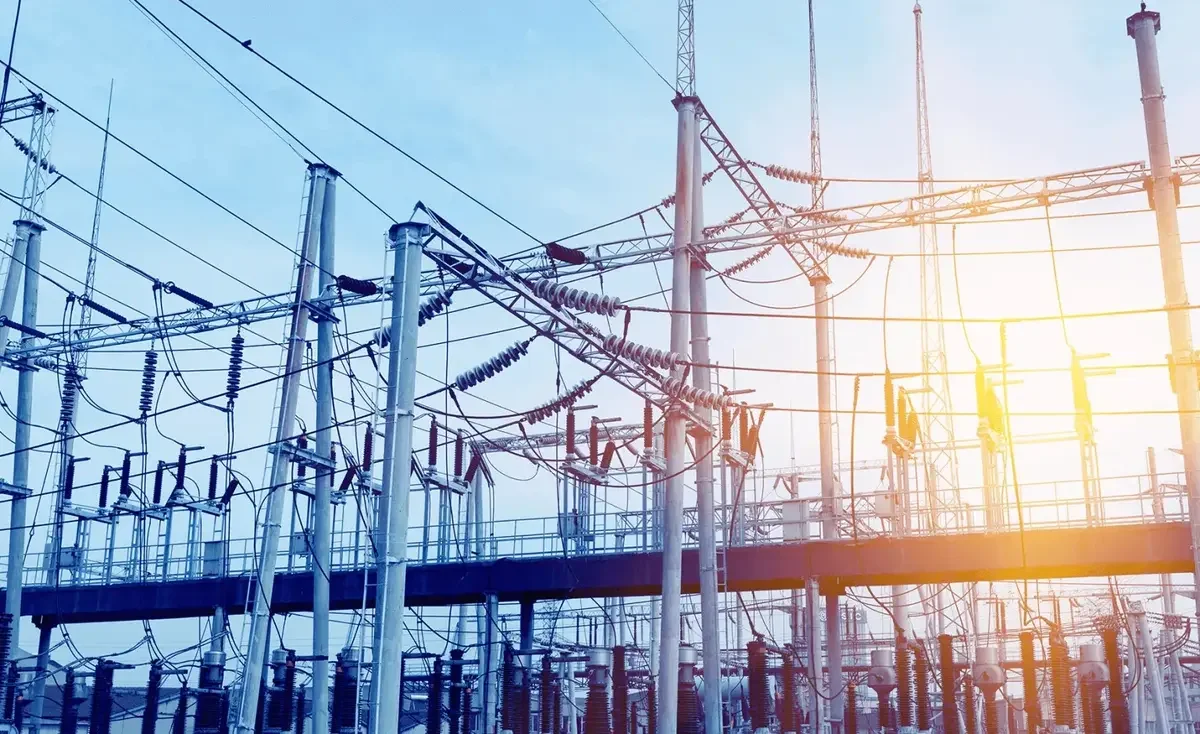
Breweries require continuous power to maintain production and storage operations. Where grid electricity does not meet their requirements, companies rely on alternative sources such as gas and diesel.
Higher electricity, gas and diesel costs can therefore increase expenses across different stages of production.
The cost of transporting raw materials to production facilities and finished products to distributors and retailers also adds to the burden facing manufacturers.
Beer Prices Could Come Under Pressure
The combination of higher taxes and operating costs could increase pressure on breweries to review product prices.
Manufacturers can choose to absorb part of the additional costs, reduce expenses through operational efficiencies or pass some of the increases on to consumers.
However, continued increases in production costs could make it more difficult for breweries to maintain existing prices without affecting margins.
Any significant increase in beer prices could also affect businesses across the wider hospitality and retail sectors, including bars, restaurants, hotels, distributors and retailers.
Consumer Purchasing Power Remains a Concern
Potential price increases come at a time when Nigerian households continue to manage higher costs across several categories of goods and services.
For breweries, this creates a difficult balance between recovering rising production costs and maintaining demand.
Higher prices could affect consumption volumes if consumers respond by reducing purchases, switching to cheaper alternatives or prioritising essential household expenditure.
The ability of breweries to pass higher costs to consumers will therefore depend partly on purchasing power and market demand.
Brewing Industry Supports Wider Supply Chains
Nigeria’s brewing industry has extensive links with other parts of the economy.
Breweries depend on agricultural suppliers, packaging manufacturers, logistics companies, distributors, retailers and hospitality businesses.
Changes in production costs can therefore affect activity across the wider supply chain.
Higher operating costs could also influence decisions around production capacity, investment and expansion, particularly if manufacturers face sustained pressure on profitability.
Rising Costs Highlight Manufacturing Challenges
The developments in the brewing sector reflect broader challenges confronting manufacturers in Nigeria.
Businesses must manage taxation, energy costs, transportation expenses, financing costs and other operating pressures while maintaining competitive prices.
For manufacturers, reliable infrastructure and a predictable regulatory environment can help reduce production costs and improve investment planning.
Energy supply remains particularly important because lower reliance on expensive alternative power sources could significantly improve industrial efficiency.
Tax Revenue Versus Industrial Competitiveness
The increase in tax expenses also highlights the need to balance government revenue requirements with the competitiveness of domestic manufacturers.
Taxes provide an important source of public revenue, but rising business costs can affect the ability of companies to invest, expand production and retain jobs.
For the brewing industry, the impact of taxation must therefore be considered alongside energy, logistics, foreign exchange and other factors that determine the final cost of production.
Implications for Investors
The rising cost environment could influence the financial performance and investment decisions of companies operating in Nigeria’s consumer goods sector.
Investors will continue to monitor how breweries manage higher costs, protect margins and maintain sales volumes in a market where consumers remain sensitive to price changes.
Companies that improve production efficiency, strengthen supply-chain management and control energy costs could have greater capacity to withstand cost pressures.
Outlook
The combined ₦112.87 billion tax expenses recorded by Nigerian Breweries, Guinness Nigeria and International Breweries in the first half of 2026 underline the increasing cost pressures facing Nigeria’s brewing industry.
With energy, transportation and other operating expenses also rising, breweries face difficult decisions over pricing, cost management and investment.
For consumers, sustained cost increases could translate into higher beer prices if manufacturers pass a greater portion of their expenses through to the market. For policymakers, the situation reinforces the need for a business environment that supports government revenue mobilisation while allowing manufacturers to remain competitive, invest and expand production.
READ MORE