Abuja Leads Nigeria’s Real Estate Market with Policy-Driven Growth

Abuja’s Master Planning Drives Stable and Predictable Real Estate Growth
Abuja, Nigeria’s capital, is consolidating its position as the country’s most structured and predictable real estate market, driven by strong planning frameworks, institutional demand, and regulated land systems. Recent data indicates that Abuja, alongside Lagos and Port Harcourt, accounts for over 60 percent of new residential developments nationwide, underscoring its central role in Nigeria’s evolving property sector.
/ You Might Also Like /



Planning Frameworks Define Market Structure
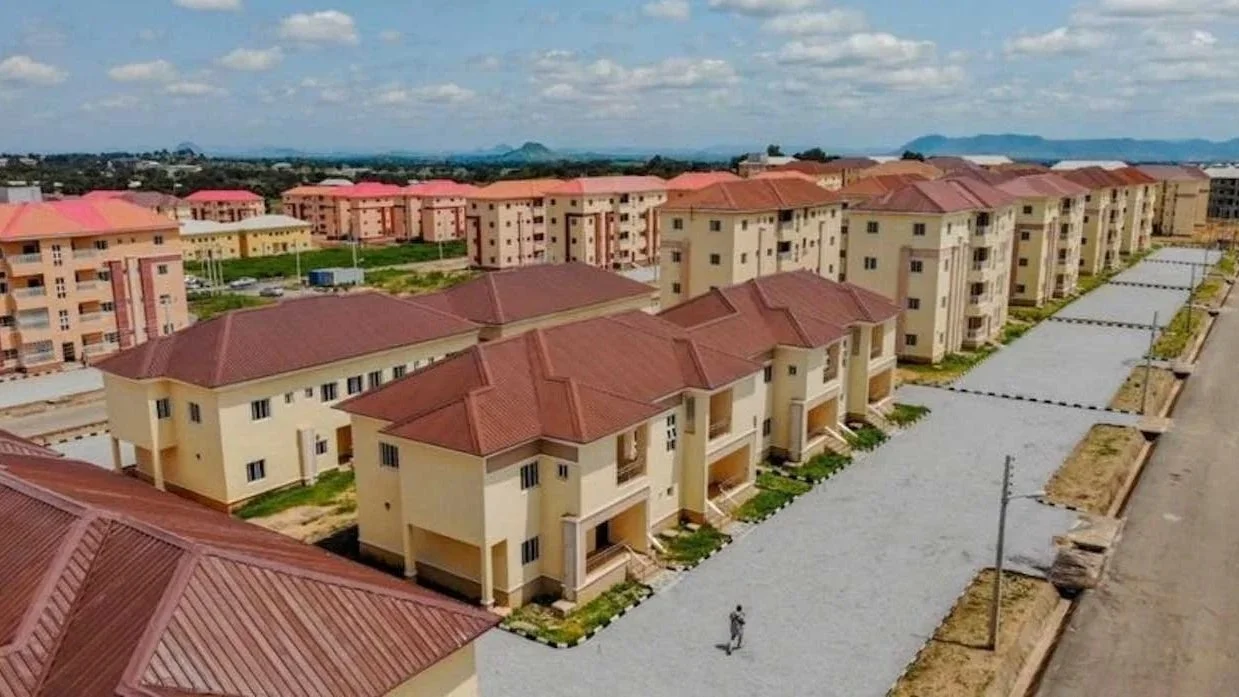
A defining feature of Abuja’s real estate growth is its foundation as a master-planned city. Unlike other urban centres where informal development and land documentation challenges persist, Abuja operates within a more regulated framework that guides land use, zoning, and infrastructure deployment.
This structured approach has created a more predictable investment environment. Developers and institutional investors benefit from clearer regulatory processes, reducing uncertainty and enhancing long-term planning.
Institutional Demand Drives Stability
Abuja’s property market is primarily supported by institutional demand rather than speculative or purely population-driven growth. Key demand drivers include government agencies, civil servants, diplomats, and international organisations.
This demand profile provides a stable occupancy base and reduces volatility, particularly during periods of economic uncertainty. Analysts note that this distinguishes Abuja from other Nigerian cities where demand is more sensitive to income fluctuations and informal market dynamics.
Pricing Reflects Premium Market Position
The structured nature of Abuja’s real estate sector is reflected in its pricing dynamics. The average cost of residential property in the city is estimated at approximately ₦182 million, with significantly higher values recorded in prime districts such as Maitama, Asokoro, and Wuse II.
While emerging districts on the outskirts offer relatively more affordable options, prices in these areas continue to rise due to expanding infrastructure and growing demand. This trend reinforces Abuja’s status as a premium residential market within Nigeria.
Infrastructure-Led Development Model
Abuja’s growth model prioritises infrastructure delivery ahead of housing development. Roads, utilities, and public services are often established before residential projects commence, ensuring that new developments are supported by essential services from the outset.
This “infrastructure-first” approach enhances livability, supports property value appreciation, and aligns with global best practices in urban development. It also reduces the risk of unplanned settlements and infrastructure deficits that affect other rapidly growing cities.
Implications for Investors and Policymakers
For investors, Abuja presents a structured and relatively low-risk entry point into Nigeria’s real estate market. The combination of regulatory clarity, institutional demand, and infrastructure-led expansion creates favourable conditions for long-term capital deployment.
For policymakers, Abuja offers a model for urban planning and housing delivery. Replicating elements of its structured growth particularly land administration systems and infrastructure sequencingm could improve outcomes in other cities facing rapid urbanisation and housing shortages.
Abuja’s emergence as Nigeria’s most structured real estate growth hub reflects the impact of coordinated planning, institutional demand, and disciplined infrastructure development. As the city continues to expand, its model provides a benchmark for sustainable urban growth and investment stability within Nigeria’s broader property market.
READ MORE