FG Approves ₦250bn Investment in Student Hostels Across Tertiary Institutions

Tunji Alausa
The Federal Government of Nigeria has announced plans to invest ₦250bn in the development of student hostels across tertiary institutions nationwide. The initiative aims to address persistent accommodation shortages, improve student welfare, and strengthen infrastructure within the education sector.
/ You Might Also Like /


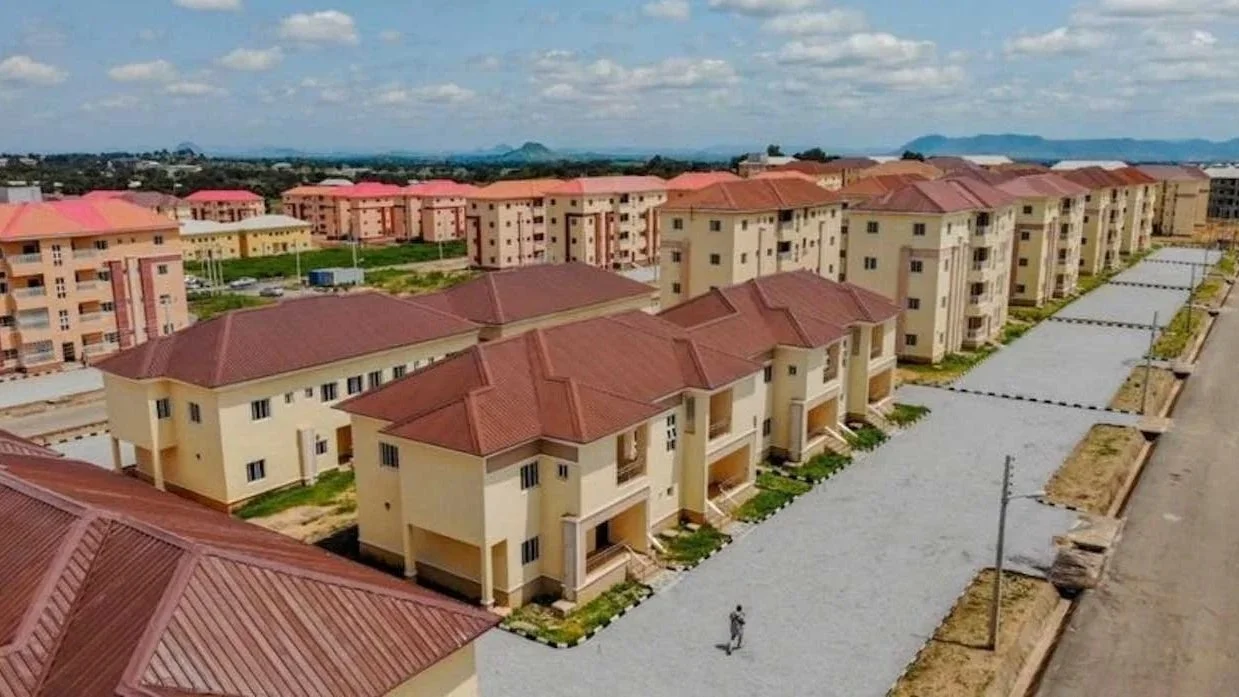

Strategic Investment in Student Housing
The ₦250bn allocation represents a significant intervention in Nigeria’s student housing segment, which has faced chronic undersupply for decades. Rapid enrolment growth across universities and polytechnics has not been matched by corresponding expansion in on-campus accommodation.
As a result, many students rely on private, often substandard, off-campus housing. The government’s investment seeks to reverse this trend by increasing the availability of purpose-built student accommodation within institutional environments.
Addressing a Structural Housing Deficit
Nigeria’s broader housing deficit extends into the education sector, where demand for student accommodation continues to outpace supply. According to sector estimates, a substantial proportion of students lack access to adequate hostel facilities, creating pressure on urban rental markets in university towns.
By committing ₦250bn to hostel development, the Federal Government is targeting a critical gap that affects both education outcomes and urban housing dynamics. Improved access to on-campus housing can enhance student safety, reduce commuting challenges, and support academic performance.
Implementation Framework and Delivery Model
The government is expected to deploy a structured implementation framework to ensure efficient utilisation of funds. This may include partnerships with private developers under public-private partnership (PPP) models, which have gained traction in infrastructure delivery across Nigeria.
PPP structures can mobilise private capital, introduce technical expertise, and improve project execution timelines. For investors and developers, the programme presents opportunities to participate in a government-backed initiative with long-term demand fundamentals.
Implications for Real Estate and Infrastructure Stakeholders
The scale of the investment signals increased activity within Nigeria’s specialised real estate segments, particularly purpose-built student accommodation (PBSA). Developers, construction firms, and financial institutions may benefit from expanded project pipelines linked to the initiative.
For policymakers, the programme highlights the importance of integrating housing strategy with sector-specific needs. Student housing represents a distinct asset class with predictable demand patterns, making it attractive for institutional investment if supported by clear regulatory frameworks.
Broader Economic and Social Impact
Beyond infrastructure, the initiative carries wider economic implications. Construction activity linked to the programme is expected to generate employment, stimulate local supply chains, and contribute to economic growth.
Socially, improved hostel facilities can enhance the overall quality of education by providing conducive living environments. This aligns with national objectives to strengthen human capital development and improve the competitiveness of Nigeria’s education system.
The Federal Government’s ₦250bn commitment to student hostel development marks a decisive step towards addressing accommodation challenges in Nigeria’s tertiary institutions. By combining large-scale investment with potential private sector participation, the initiative aims to deliver sustainable housing solutions within the education sector. Its long-term success will depend on effective execution, transparent governance, and alignment with broader housing and infrastructure policies.
READ MORE