Bayelsa Allocates 108 Housing Units to Civil Servants as Diri Approves Distribution

Diri Approves Allocation of 108 Homes to Bayelsa Civil Servants
The Bayelsa State Government has approved the allocation of 108 completed housing units to civil servants, reinforcing its commitment to worker welfare and public housing delivery. Governor Douye Diri announced the decision during the 2026 May Day celebration in Yenagoa, directing relevant agencies to commence allocation processes immediately.
/ You Might Also Like /


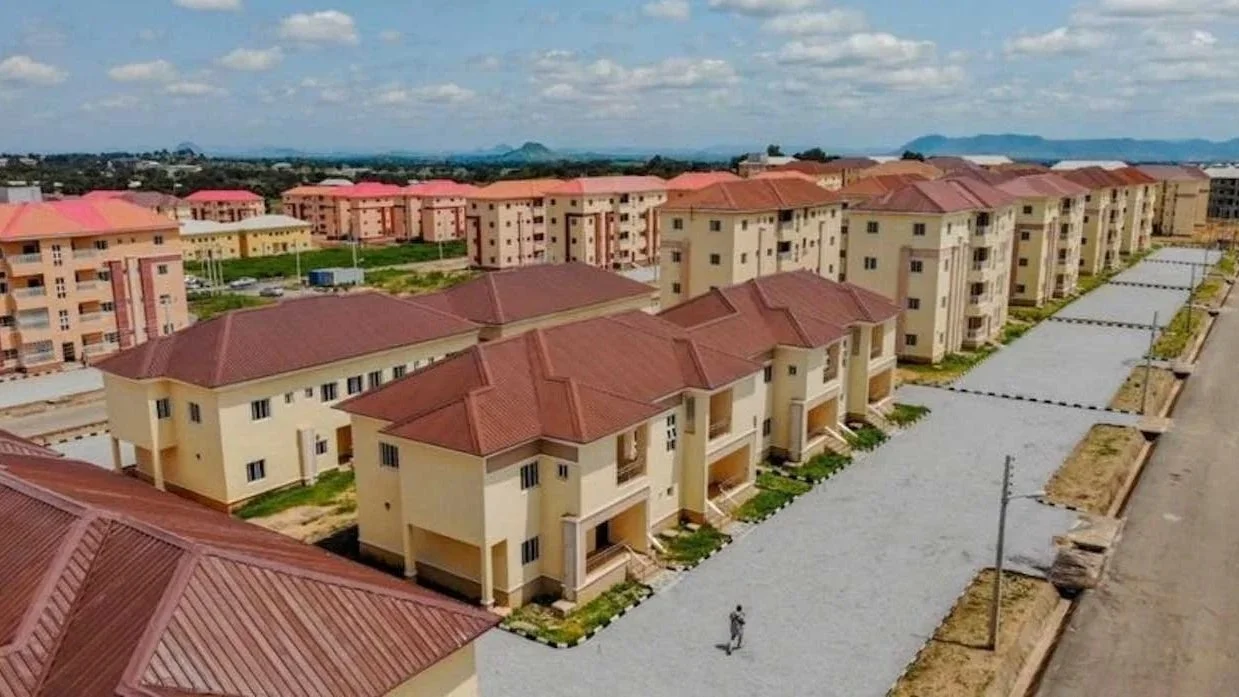

Targeted Housing Delivery for Public Workers
The approved housing units consist of completed one-bedroom apartments located within the state’s housing estate in Okaka. The government has mandated the Bayelsa State Housing and Property Development Authority, alongside the Office of the Head of Service, to establish clear allocation modalities.
This initiative reflects a targeted approach to housing delivery, focusing on public sector employees who face affordability constraints in the broader housing market. By prioritising civil servants, the state aims to provide stable and accessible housing options tied to employment.
Integration with Worker Welfare Policies
The housing allocation forms part of a broader package of welfare measures announced by the state government. In addition to housing, the administration approved the payment of promotion arrears and the implementation of annual promotion steps for workers in line with civil service regulations.
Governor Diri also referenced earlier reforms, including the approval of a ₦80,000 minimum wage for civil servants in October 2024, signalling a continued focus on improving income and living standards within the public workforce.
Addressing Housing Needs Through State Intervention
The allocation of 108 housing units highlights the role of subnational governments in addressing housing deficits through direct provision. While the scale of delivery remains modest relative to national housing needs, such interventions can provide immediate relief to targeted beneficiary groups.
State-led housing schemes also contribute to stabilising local housing markets by reducing pressure on private rental supply, particularly in urban centres such as Yenagoa where demand continues to rise.
Institutional Coordination and Implementation
Effective delivery will depend on transparent allocation processes and institutional coordination. The directive to relevant agencies underscores the importance of governance frameworks in ensuring that housing units reach intended beneficiaries without delays or distortions.
For policymakers, the initiative reinforces the need to align housing delivery with administrative efficiency, particularly in public sector-focused schemes.
Implications for Housing Policy and Investment
Although relatively small in scale, the programme demonstrates a replicable model for workforce housing at the state level. Targeted housing delivery for civil servants can enhance productivity, improve job satisfaction, and reduce urban housing pressure.
For investors and developers, such initiatives signal continued government involvement in housing provision, creating opportunities for partnerships in larger-scale developments if supported by sustainable financing structures.
Bayelsa State’s approval of 108 housing units for civil servants represents a focused intervention in worker welfare and public housing delivery. While limited in scale, the initiative underscores the importance of targeted housing strategies at the subnational level. Sustained impact will depend on transparent allocation, consistent policy execution, and the expansion of similar programmes to address broader housing demand.
READ MORE