Federal Government Advances Power Reforms with Ogun Substation Project

480MW Abeokuta Substation Set for Completion Under Power Initiative
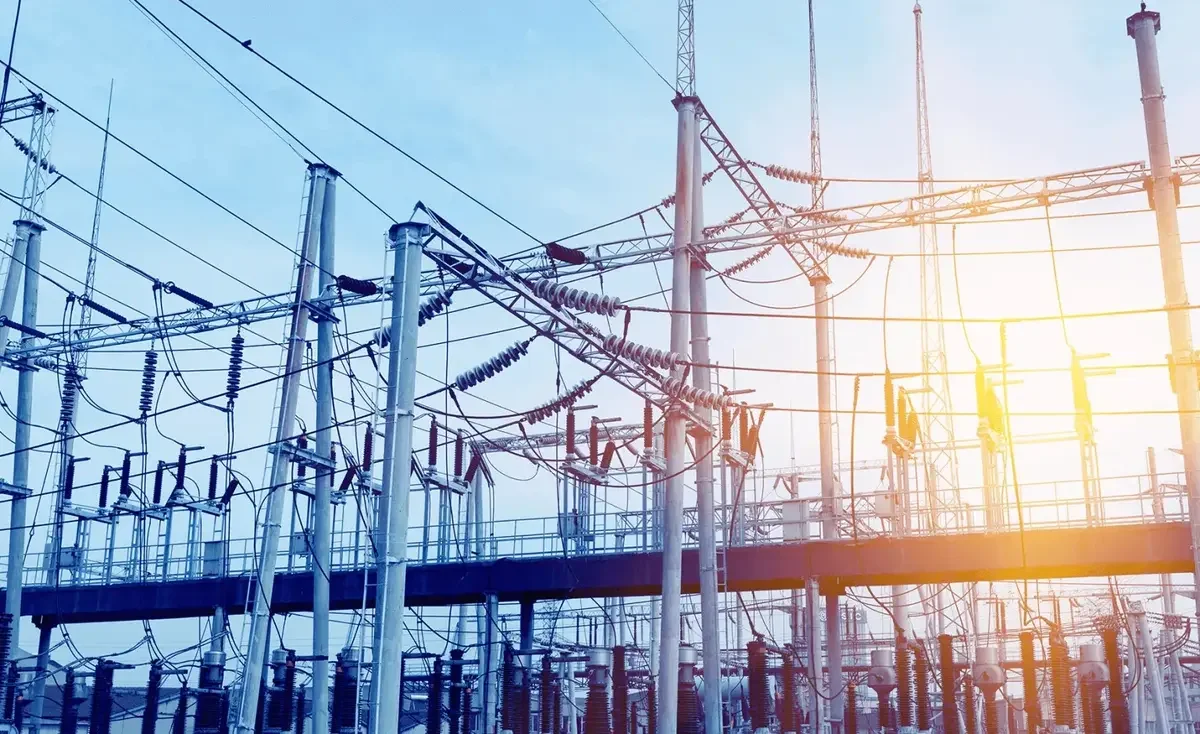
The Federal Government has confirmed plans to complete and commission a 480-megawatt substation in Abeokuta, Ogun State, by December 2026. The project forms part of ongoing efforts to expand Nigeria’s transmission capacity, improve grid reliability, and support industrial and economic growth. According to the News Agency of Nigeria (NAN), the substation is currently under construction and remains on track for delivery within the stated timeline.
/ You Might Also Like /




Project Timeline and Implementation
Officials overseeing the project disclosed that civil works will reach completion by mid-2026, after which electrical installations and system integration will follow. The phased delivery approach reflects the technical complexity of transmission infrastructure projects, which require precise coordination between engineering, procurement, and installation stages.
Once completed, the facility will inject an additional 480MW into the national grid, directly improving electricity supply to Ogun State and neighbouring industrial corridors.
Integration with National Power Strategy
The Abeokuta substation forms part of the Federal Government’s broader transmission upgrade programme under the Presidential Power Initiative (PPI). The initiative focuses on modernising ageing infrastructure, improving grid stability, and increasing the capacity to evacuate generated power across the country.
The project complements similar upgrades in other locations, reflecting a coordinated approach to addressing transmission bottlenecks that have historically constrained electricity distribution in Nigeria.
Technical Significance and Capacity Upgrade
The new substation represents a significant upgrade in transmission capability. It is designed to enhance voltage capacity and improve the efficiency of power evacuation from generation sources to distribution networks.
Upgrading substations from lower voltage systems to higher-capacity infrastructure enables the grid to handle larger volumes of electricity while reducing transmission losses. This is particularly critical in high-demand regions such as Ogun State, which hosts a concentration of industrial and manufacturing activities.
Economic and Industrial Impact
Reliable electricity supply remains a key constraint for businesses in Nigeria. The addition of 480MW to the grid is expected to ease pressure on existing infrastructure, reduce outages, and lower the cost of self-generation for industries and households.
For investors and policymakers, the project signals continued commitment to infrastructure-led growth. Improved power supply can enhance productivity, attract investment, and support the expansion of small and medium-sized enterprises.
Policy and Execution Considerations
While the project underscores progress in transmission expansion, sustained impact will depend on complementary reforms across the power value chain. These include improvements in distribution capacity, tariff frameworks, and market liquidity.
Effective coordination between generation, transmission, and distribution segments remains critical to ensuring that additional capacity translates into reliable electricity for end users.
Conclusion
The planned delivery of the Abeokuta 480MW substation marks a significant milestone in Nigeria’s ongoing power sector reforms. By strengthening transmission capacity and addressing infrastructure gaps, the project is expected to improve electricity reliability and support economic activity.
Maintaining project timelines and ensuring integration with broader sector reforms will determine the extent to which this investment delivers long-term value for Nigeria’s power system and wider economy.
READ MORE