Soaring Rents Expose Structural Gaps in Nigeria’s Housing Market
Cut-Throat Rent Hikes Deepen Nigeria’s Housing Crisis
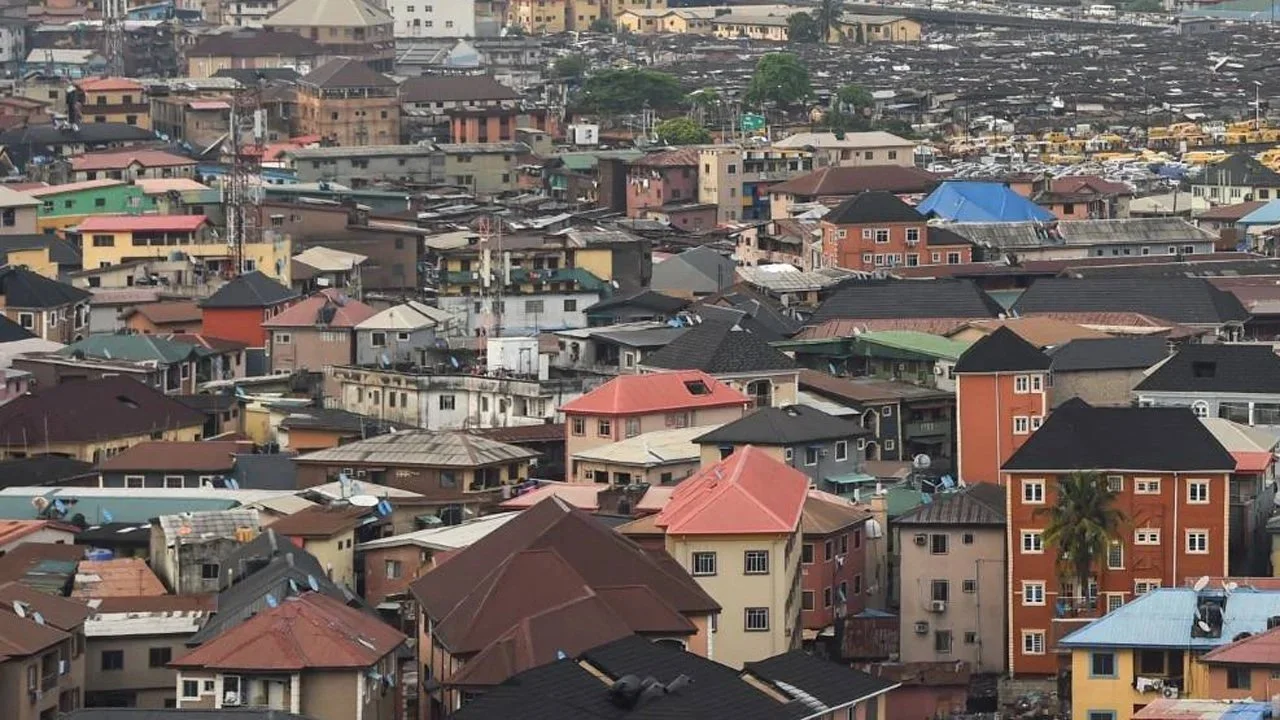
Nigeria is facing an intensifying housing crisis driven by sharp and often arbitrary rent increases across major cities. In recent months, tenants in urban centres such as Lagos, Abuja, Port Harcourt, Kano, and Kaduna have reported steep rent hikes, forcing many households to relocate, downgrade living conditions, or fall into debt. The development highlights growing affordability pressures in an already constrained housing market.
/ You Might Also Like /




Arbitrary Rent Increases Across Urban Centres
Reports indicate that rent increases in many cases occur without formal notice, negotiation, or corresponding improvements in property conditions. In some instances, tenants have faced sudden price jumps of nearly 100% or more, significantly outpacing income growth.
The issue extends beyond pricing to include exploitative practices by landlords and estate agents. These include frequent tenancy renewals structured to attract additional fees such as legal and agreement charges, further increasing the cost burden on tenants.
Structural Drivers: Supply Deficit and Urbanisation
Nigeria’s housing shortage remains a central factor underpinning rising rents. The country faces a deficit estimated at approximately 14.9 million housing units, with experts indicating that about 550,000 units must be built annually over the next decade to close the gap.
Rapid urbanisation estimated at around 4.1% annually continues to drive demand in major cities, creating persistent supply shortages. As more people migrate to urban areas for economic opportunities, housing demand consistently outpaces supply, exerting upward pressure on rents.
Affordability Pressures and Household Impact
The surge in rental costs is occurring alongside broader cost-of-living pressures. Rising food prices, transportation costs, and energy expenses have reduced disposable incomes, leaving households with limited capacity to absorb higher housing costs.
Data indicates that only about 32.5% of urban Nigerians own their homes, while more than 49% rely on rented accommodation. This makes a large portion of the population highly vulnerable to rent fluctuations and eviction risks.
As a result, many households are being forced into substandard housing, relocating to peri-urban areas, or entering informal settlements, contributing to the expansion of slums and increasing pressure on already strained urban infrastructure.
Governance Gaps and Market Inefficiencies
Limited regulatory oversight remains a critical issue. Weak enforcement of tenancy laws allows landlords and agents to impose arbitrary increases and fees with minimal accountability.
Industry observers note that the absence of a coordinated national housing policy framework particularly around rent regulation, tenant protection, and housing data has created a fragmented market prone to inefficiencies and exploitation.
At the same time, financing constraints continue to limit large-scale housing delivery. Estimates suggest that addressing Nigeria’s housing deficit could require over ₦59 trillion in investment, underscoring the scale of the challenge relative to current funding levels.
Implications for Investors and Policymakers
For investors, rising rents reflect strong demand fundamentals but also signal underlying affordability risks that could affect long-term market stability. Persistent price escalation without corresponding income growth may reduce effective demand and increase default or vacancy risks in certain segments.
For policymakers, the crisis highlights the urgency of structural reforms. Key priorities include scaling affordable housing supply, improving mortgage accessibility, regulating tenancy practices, and strengthening urban planning frameworks.
Nigeria’s housing crisis is increasingly defined by affordability constraints rather than supply alone. The surge in rent prices across major cities underscores systemic gaps in housing delivery, regulation, and financing.
Addressing these challenges will require coordinated policy action, sustained investment, and stronger market oversight. Without intervention, rising rents will continue to displace households, deepen inequality, and constrain the country’s urban economic potential.
READ MORE