Africa’s Housing Deficit Hits 50 Million, Could Reach 130 Million by 2030 - Report
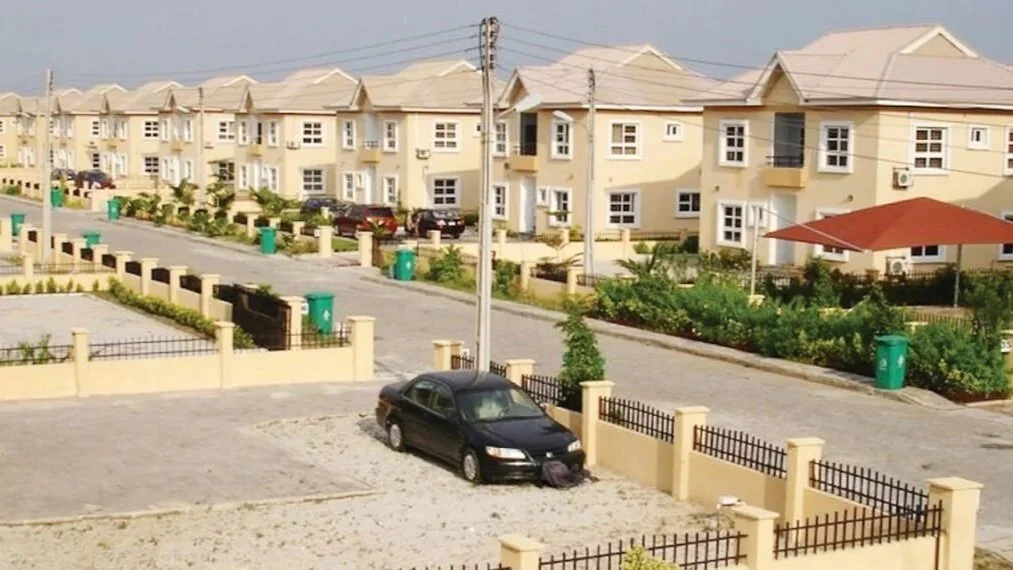
Report Warns Africa’s Housing Deficit Could Hit 130 Million by 2030
Africa is currently facing a housing deficit of over 50 million units, with projections indicating the shortfall could rise to 130 million by 2030 if urgent interventions are not implemented. The warning underscores the scale of the continent’s housing crisis and its implications for economic growth and urban development.
The Housing Crisis
The latest findings highlight the severity of Africa’s housing gap, which has been driven by rapid population growth, urbanisation, and insufficient housing supply. According to housing sector estimates, at least 50 million housing units are currently needed across the continent to meet demand.
/ You Might Also Like /
This trajectory highlights structural inefficiencies in housing development systems across the continent.
Urbanisation and Population Growth as Key Drivers
Rapid urbanisation remains a primary driver of Africa’s housing deficit. Millions continue to migrate to urban centres annually, placing pressure on already strained housing infrastructure.
Estimates indicate that over 50 million Africans currently live in informal settlements, underscoring the gap in adequate housing provision.
Population growth, combined with limited large-scale housing delivery, continues to widen the supply-demand imbalance.
$1.4 Trillion Financing Gap
A major constraint in addressing the housing crisis is the significant financing shortfall. The housing finance gap across Africa is estimated at over $1.4 trillion, limiting both supply-side development and demand-side access to homeownership.
High borrowing costs, underdeveloped mortgage systems, and limited long-term funding options remain critical barriers to scaling housing delivery.
Economic and Social Implications
The housing deficit has far-reaching implications for economic growth, social stability, and urban resilience. Experts note that housing is closely linked to productivity, health outcomes, and overall quality of life.
Inadequate housing conditions also contribute to the expansion of informal settlements, increasing pressure on urban infrastructure and public services.
Policy and Investment Priorities
Addressing Africa’s housing deficit will require coordinated action across governments, private sector players, and development institutions. Key priorities include:
Expanding access to affordable housing finance
Reforming land administration systems
Strengthening public-private partnerships
Scaling construction capacity and local building materials
Stakeholders emphasise that housing must be treated as a core economic sector rather than a peripheral policy issue.
Outlook: Scaling Solutions at Speed
With the deficit projected to more than double by 2030, incremental solutions will be insufficient. Large-scale, systemic reforms and sustained capital mobilisation will be required to close the housing gap.
Africa’s housing deficit represents one of the continent’s most pressing development challenges. With the shortfall expected to reach 130 million units by 2030, decisive and coordinated action will be critical to delivering affordable housing, supporting urban growth, and unlocking broader economic potential.
READ MORE