ICPC Monitors ₦21.23tn Infrastructure Projects to Curb Corruption
Nigeria’s ICPC Expands Oversight, Tracks ₦21.23tn Works Ministry Projects
Nigeria’s Independent Corrupt Practices and Other Related Offences Commission (ICPC) has tracked infrastructure projects worth over ₦21.23 trillion under the Federal Ministry of Works, as part of a strengthened anti-corruption strategy aimed at improving transparency and accountability in public spending.
масштаб Oversight of Public Infrastructure
The ICPC disclosed that its monitoring efforts cover large-scale road and bridge projects executed by the Federal Ministry of Works. The initiative forms part of its preventive anti-corruption framework designed to ensure value for money and reduce leakages in government-funded infrastructure.
/ You Might Also Like /




According to the commission, the tracking exercise focuses on identifying inefficiencies, abandoned projects, and contract irregularities, while ensuring that allocated funds are utilised appropriately.
Project Tracking as a Preventive Strategy
ICPC Chairman Musa Aliyu emphasised that project monitoring represents a proactive approach to tackling corruption. Rather than relying solely on enforcement and prosecution, the commission aims to prevent corrupt practices before they occur.
The initiative operates under the Constituency and Executive Projects Tracking framework, which provides on-the-ground verification of project execution across the country.
Coverage Across States and Sectors
Recent phases of the tracking programme covered approximately 950 projects across 26 states and the Federal Capital Territory, with a combined value of about ₦415.25 billion.
The broader ₦21.23 trillion figure reflects the scale of infrastructure projects under the Works Ministry, highlighting the significant financial exposure and the importance of oversight in safeguarding public resources.
Impact on Accountability and Project Delivery
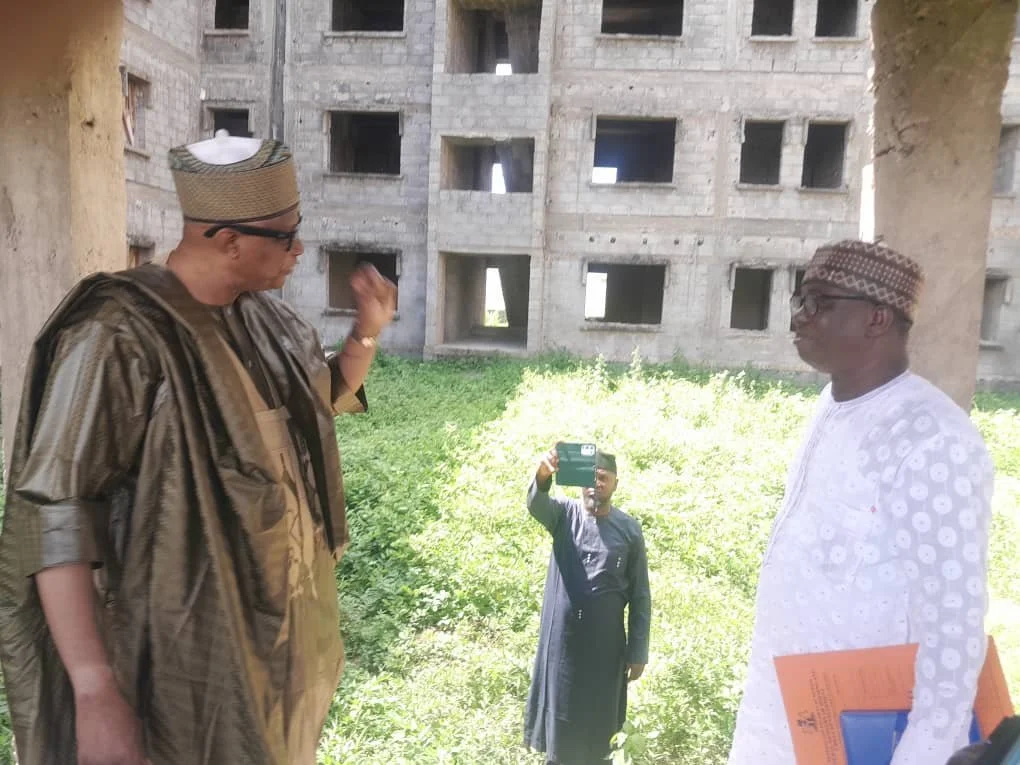
The ICPC noted that its monitoring activities have led to measurable improvements in project execution. In several cases, contractors returned to abandoned sites following interventions, while discrepancies in project implementation were addressed.
By strengthening oversight, the commission aims to improve service delivery, reduce wastage, and enhance public confidence in government expenditure.
Role of Media and Stakeholders
The ICPC also underscored the importance of collaboration with the media in advancing the anti-corruption agenda. The commission described journalists as critical stakeholders in promoting transparency, exposing irregularities, and holding institutions accountable.
This engagement forms part of the broader National Anti-Corruption Strategy (2022–2026), which emphasises multi-stakeholder participation in combating corruption.
Broader Economic Implications
Effective monitoring of infrastructure spending has significant implications for Nigeria’s economic development. Large-scale projects in roads and bridges play a critical role in improving connectivity, supporting trade, and enabling industrial growth.
By ensuring that funds allocated to these projects deliver intended outcomes, the ICPC’s initiative contributes to fiscal discipline and more efficient capital allocation.
The ICPC’s tracking of ₦21.23 trillion in Works Ministry projects marks a significant escalation in Nigeria’s anti-corruption efforts. By shifting focus toward preventive oversight and real-time monitoring, the commission is strengthening accountability in public infrastructure delivery. Sustained implementation of this strategy will be critical to improving governance outcomes and maximising the economic impact of public investments.
READ MORE