10 Smart Ways to Invest in Lagos Real Estate Without Buying Land

How Lagos Residents Can Invest in Property with Limited Capital
For many Nigerians, owning land has long been viewed as the primary gateway into real estate. However, soaring land prices, limited access to finance and rapid urbanisation have encouraged the emergence of alternative investment models that allow individuals to participate in the property market without purchasing land.
/ You Might Also Like /


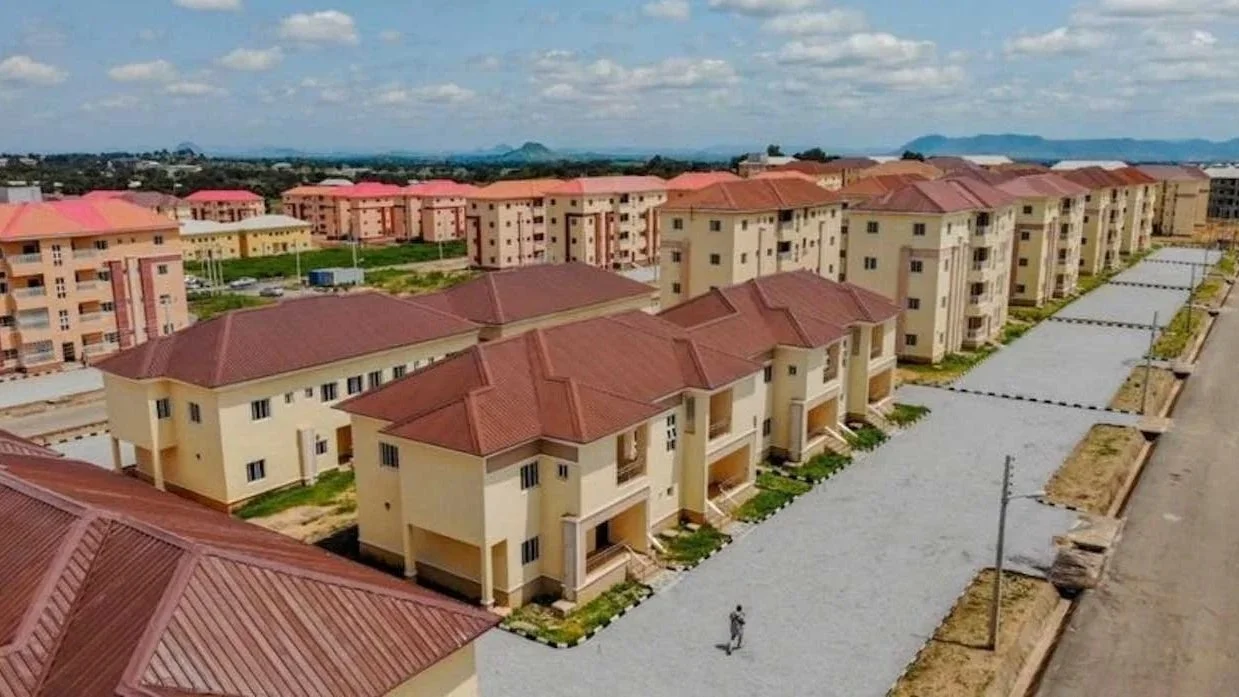

These options provide investors with opportunities to earn rental income, benefit from capital appreciation and diversify their portfolios while requiring significantly lower upfront capital.
1. Invest in Real Estate Investment Trusts (REITs)
REITs allow investors to buy units in professionally managed property portfolios and receive returns from rental income and capital appreciation. They offer one of the easiest entry points into real estate without directly owning property.
2. Explore Fractional Property Ownership
Fractional ownership enables multiple investors to jointly own a property by purchasing shares rather than the entire asset. Investors receive returns based on their ownership stake, making premium real estate more accessible.
3. Participate in Real Estate Crowdfunding
Property crowdfunding platforms pool funds from multiple investors to finance residential or commercial developments. Investors share in the profits once projects are completed or begin generating income.
4. Buy into Property Development Funds
Real estate investment funds are managed by professionals who invest across multiple projects, reducing risk through diversification while providing exposure to the property market.
5. Invest in Off-Plan Developments
Buying into reputable off-plan projects before construction is completed often offers lower entry prices and the potential for significant capital appreciation when developments are delivered. Due diligence remains essential before investing.
6. Partner with Other Investors
Pooling resources with family members, friends or investment groups allows investors to acquire residential or commercial property collectively while sharing both costs and returns.
7. Invest in Short-Let Apartments
Rather than purchasing land, investors can finance or co-own serviced apartments operated as short-let accommodation in high-demand locations, generating income from business and leisure travellers.
8. Back Property Technology (PropTech)
PropTech companies are transforming property transactions, management and investment through digital platforms. Investing in innovative real estate technology businesses provides indirect exposure to sector growth.
9. Join Cooperative Housing Schemes
Housing cooperatives enable members to contribute towards collective property developments over time, providing access to residential assets through structured savings and shared ownership.
10. Finance Commercial Property Projects
Investors can provide capital to established developers through structured financing arrangements, earning agreed returns from office, retail or mixed-use developments without owning land directly.
Implications for Housing and Real Estate
Alternative investment models are expanding participation in Nigeria's property market by lowering traditional barriers to entry.
These financing mechanisms can improve access to capital for developers, accelerate housing delivery and create new investment opportunities for young professionals, middle-income earners and diaspora investors. They also encourage innovation in housing finance, helping bridge Nigeria's housing deficit while deepening the real estate investment ecosystem.
Why It Matters
With land prices continuing to rise in Lagos, many prospective investors are seeking more affordable entry points into the market.
Fractional ownership, REITs, crowdfunding and other alternative investment models provide opportunities to build wealth through real estate while reducing the large capital requirements traditionally associated with property investment. These options are also helping democratise access to one of Nigeria's strongest long-term asset classes.
Outlook
As technology and financial innovation continue to reshape Nigeria's real estate industry, alternative investment models are expected to become increasingly mainstream. Greater investor awareness, stronger regulation and improved digital platforms could broaden participation in the property market, mobilise additional capital for housing development and support more inclusive growth across the sector.
READ MORE