Judicial Independence Debate Deepens as Wike Defends Abuja Housing Projects
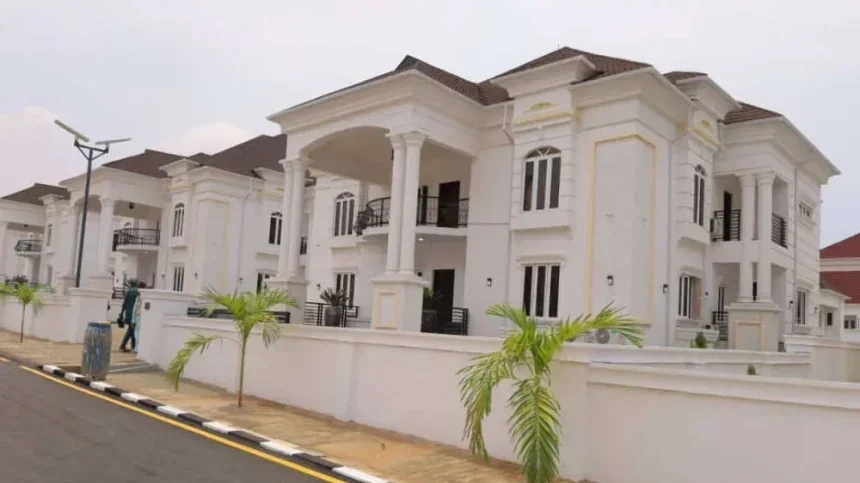
FCT Judicial Housing Projects Will Not Undermine Judiciary, Says Wike
Minister of the Federal Capital Territory (FCT), Nyesom Wike, has defended the construction of government-funded housing projects for judges and judicial officers in Abuja, dismissing concerns that the initiative could compromise judicial independence or weaken the autonomy of the judiciary.
Wike made the remarks during an inspection of ongoing judicial infrastructure projects in Abuja, including judges’ residential quarters, the Court of Appeal Abuja Division project, and proposed housing developments for judges of the National Industrial Court and the Code of Conduct Tribunal.
/ You Might Also Like /




The minister’s comments followed criticism from the Nigerian Bar Association (NBA), which recently argued that executive involvement in providing residential accommodation and welfare support for judges could create perceptions of political influence over the judiciary.
Wike Rejects Claims of Executive Interference
Responding to the criticism, Wike insisted that government provision of infrastructure for the judiciary is not unprecedented and does not amount to interference in judicial functions.
“The mere fact that the executive constructs buildings does not mean it will interfere with the judiciary,” the minister stated during the inspection exercise.
He further argued that successive governments have historically financed major judicial infrastructure projects, including the construction of the Supreme Court complex and official residences for public officials across different arms of government.
According to Wike, the current housing initiative is designed primarily to improve the welfare, comfort, and working conditions of judicial officers, enabling them to focus more effectively on their responsibilities.
“This is a voluntary act by government to make judicial officers comfortable and focused on their work. It is not done to erode judicial independence,” he said.
NBA Raises Concerns Over Judicial Autonomy
The controversy stems from recent comments by NBA President Afam Osigwe, who questioned the implications of politicians directly constructing houses or providing gifts for judges outside formal judicial budgeting processes.
The NBA argued that judicial welfare and housing should ideally be funded through constitutionally appropriated judicial budgets rather than through direct executive interventions, warning that such arrangements could create perceptions of political patronage and weaken public trust in judicial neutrality.
Legal analysts note that judicial independence remains a critical pillar of democratic governance, particularly in maintaining separation of powers and public confidence in the rule of law.
The NBA’s concerns reflect broader institutional debates regarding the relationship between executive support mechanisms and judicial autonomy within Nigeria’s governance framework.
Wike Accuses NBA of Double Standards
In response, Wike criticised the NBA leadership for what he described as inconsistency, arguing that the association frequently accepts sponsorship and financial support from state governments for conferences and activities while objecting to welfare-oriented judicial projects.
“All they are interested in is when state governments will sponsor NBA activities. If governments fund their conferences, does that mean they are no longer independent?” Wike queried.
The minister maintained that government support for infrastructure and welfare should not automatically be interpreted as political interference, particularly where such support aims to improve institutional efficiency and service delivery.
Judicial Housing Projects Near Completion
During the inspection tour, Wike expressed satisfaction with the progress of the judges’ housing projects, stating that the residential quarters are almost fully completed and nearing inauguration.
“We’ve seen the judges’ quarters beautiful. I’m very elated that the job was done well. The houses are well furnished and almost 99 per cent ready,” the minister stated.
He disclosed that the projects form part of infrastructure initiatives expected to be commissioned during activities marking President Bola Ahmed Tinubu’s third anniversary in office.
The minister also announced that preparations have commenced for groundbreaking ceremonies involving additional residential developments for judges of the National Industrial Court and the Code of Conduct Tribunal.
Concerns Over Project Quality and Delivery
Although Wike praised the judges’ quarters project, he expressed dissatisfaction with aspects of the finishing work at the Court of Appeal Abuja Division project, despite acknowledging that construction had reached an advanced stage.
“Almost 90 per cent complete, but I must say it’s not the quality I expected,” he said, adding that contractors had been instructed to correct identified defects before inauguration.
The FCT Administration, according to the minister, will continue monitoring contractors to ensure infrastructure projects meet approved specifications and delivery timelines.
Broader Debate on Institutional Independence
The debate surrounding judicial housing projects reflects broader governance discussions about institutional independence, public accountability, and the balance of power among Nigeria’s executive, legislative, and judicial arms.
Governance experts note that while infrastructure support for the judiciary can improve operational efficiency and welfare, transparency and constitutional safeguards remain essential to preserving public confidence in judicial impartiality.
The controversy also highlights longstanding concerns about underfunding within Nigeria’s judiciary, where inadequate infrastructure, staffing shortages, and delayed budget releases have historically affected operational effectiveness.
Analysts argue that comprehensive judicial reform may require more sustainable institutional funding mechanisms that strengthen autonomy while ensuring adequate welfare and infrastructure support for judicial officers.
Nyesom Wike’s defence of the judges’ housing projects underscores the growing debate around executive involvement in judicial welfare and infrastructure development. While the FCT Administration maintains that the projects are intended to improve working conditions and support institutional efficiency, critics within the legal community continue to raise concerns about the perception of judicial independence.
As the projects near completion, the discussions are likely to remain central to wider conversations about governance, separation of powers, and institutional accountability within Nigeria’s democratic framework.
READ MORE