Port Harcourt Floods Submerge Homes, Shops as Rising Waters Disrupt Businesses
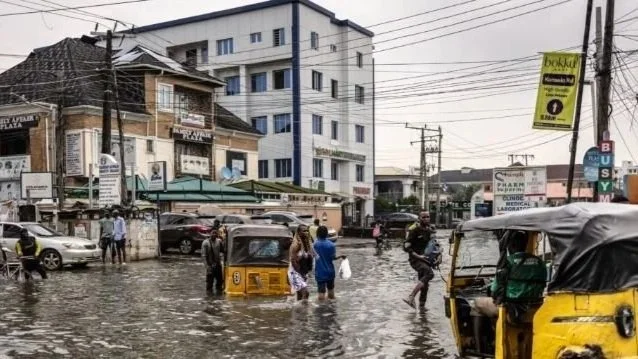
Floodwaters submerge homes and businesses in Port Harcourt
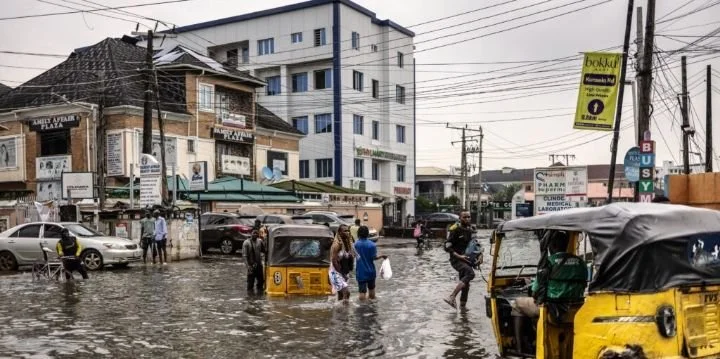
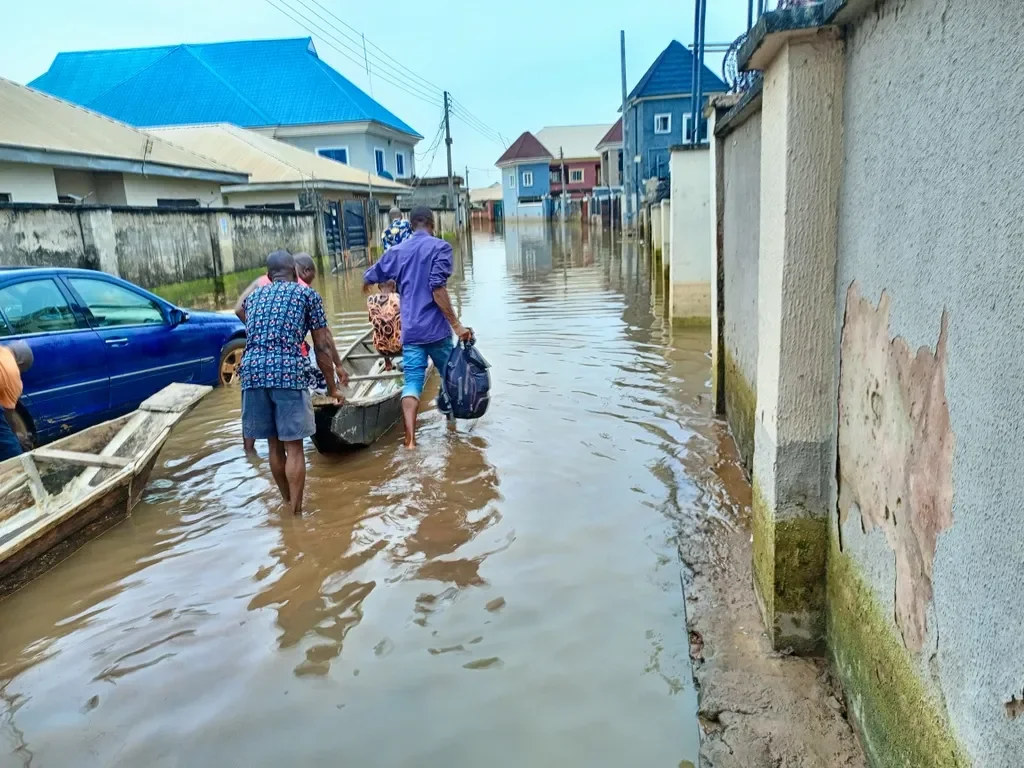
Rising floodwaters have submerged homes, shops and roads across parts of Port Harcourt, Rivers State, disrupting businesses and daily movement as heavy rainfall continues to overwhelm affected communities.
The flooding has particularly affected the Nkpolu-Rumuigbo community in Obio/Akpor Local Government Area, where residents and business owners are counting losses from damage to property, goods and commercial premises.
/ You Might Also Like /




The latest incident adds to reports of flooding across several parts of Port Harcourt and surrounding communities, with residents increasingly concerned about the ability of existing drainage and road infrastructure to cope with intense rainfall.
Businesses Forced to Close
Several businesses around Nkpolu and neighbouring communities have been unable to operate as floodwater spread across streets and commercial areas.
Traders and other operators have reported difficulties accessing their premises, resulting in lost trading hours and exposure of goods and equipment to flood damage.
The disruption extends beyond commercial activity, with flooding also affecting schools, religious centres and other community facilities in parts of the city.
For businesses that depend on daily customer traffic, inaccessible roads and flooded premises create immediate revenue losses while increasing the cost of protecting or replacing damaged goods.
Homes and Residents Affected
Residential properties have also been affected, particularly in low-lying areas.
Some residents have moved household belongings to higher locations or left flooded buildings altogether as water levels increased.
Reports from other affected communities in Rivers State have described families seeking temporary shelter after floodwaters entered their homes. In one case reported by The Guardian, a mother and her four children were forced to move between their home, shop and an uncompleted building before eventually sleeping in their vehicle.
The displacement highlights the direct housing consequences of recurring flooding, particularly for households without access to alternative accommodation.
Roads and Movement Disrupted
Flooding has also affected movement across several roads and communities in and around Port Harcourt.
Areas reported to have experienced flooding include Nkpolu, Rumuigbo, Rumuekini, Ozouba, Choba, Eneka, NTA Road, Stadium Road, Mgboba, GRA, Peter Odili Road, Rupokwu, Alakahia, Oyigbo, Atali, Rumulumeni, Rumoaholi and other locations.
Some routes have become difficult or impossible to navigate, affecting access to residential areas, commercial districts and public facilities.
The disruption demonstrates how flooding can quickly move from a property-level problem to a wider urban infrastructure challenge.
Drainage Infrastructure Under Scrutiny
The recurring flooding has renewed concerns about drainage capacity and the maintenance of urban infrastructure in Port Harcourt.
The Rivers State House of Assembly, which inspected affected parts of Port Harcourt and Obio/Akpor on October 1, said some locations were affected by blocked canals and neglected drainage channels, while other areas were influenced by natural water flow. The Assembly called for more effective desilting and maintenance of drainage infrastructure.
The latest flooding therefore places greater attention on the relationship between property development, drainage systems and urban planning.
Flood Risk Adds to Property Vulnerability
For property owners and investors, recurring flooding creates risks that extend beyond immediate physical damage.
Properties in vulnerable areas can face higher maintenance costs, accessibility problems and potential disruption to rental and commercial activity. Businesses operating from affected premises can also suffer losses when customers, employees and suppliers cannot reach their locations.
The risks make flood exposure an increasingly relevant consideration in decisions around land acquisition, property development and infrastructure investment.
Port Harcourt's Urban Infrastructure Challenge
Port Harcourt's rapid urban expansion has increased pressure on roads, drainage and other supporting infrastructure.
Where drainage networks cannot accommodate heavy rainfall, flooding can affect entire neighbourhoods rather than individual properties.
The latest incident also shows why housing development cannot be considered separately from the infrastructure supporting it. Residential and commercial buildings require functioning drainage, roads and access networks to remain viable during periods of extreme rainfall.
Need for More Resilient Housing Development
The recurring flooding strengthens the case for incorporating flood risk into housing and urban-development decisions.
This includes proper drainage planning, protection of natural waterways, regular maintenance of canals, enforcement of development regulations and improved assessment of flood exposure before new developments are approved.
For existing communities, effective drainage maintenance and targeted infrastructure upgrades could help reduce the frequency and severity of disruption.
Outlook
The latest Port Harcourt flooding has left homes, businesses and infrastructure exposed while disrupting movement and commercial activity across affected communities.
Beyond the immediate recovery effort, the recurring nature of the flooding puts greater emphasis on drainage capacity, flood-resilient housing, urban planning and infrastructure maintenance.
READ MORE