Flooding Displaces Families, Exposes Housing and Infrastructure Risks in Rivers, Delta
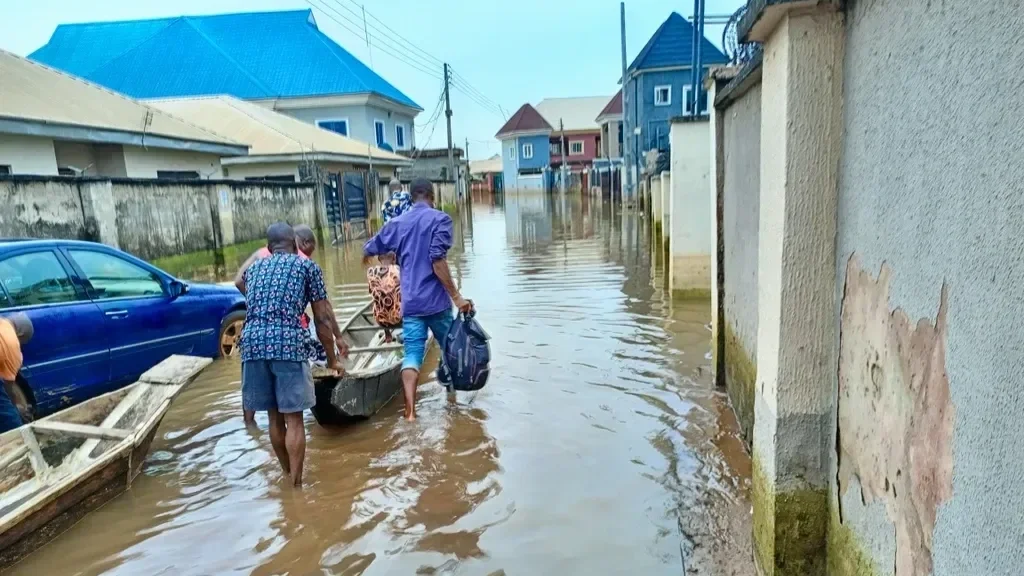
Flooding across parts of Rivers and Delta states has displaced families, submerged homes and disrupted businesses, schools and road networks, exposing growing pressure on housing and urban infrastructure in flood-prone communities.
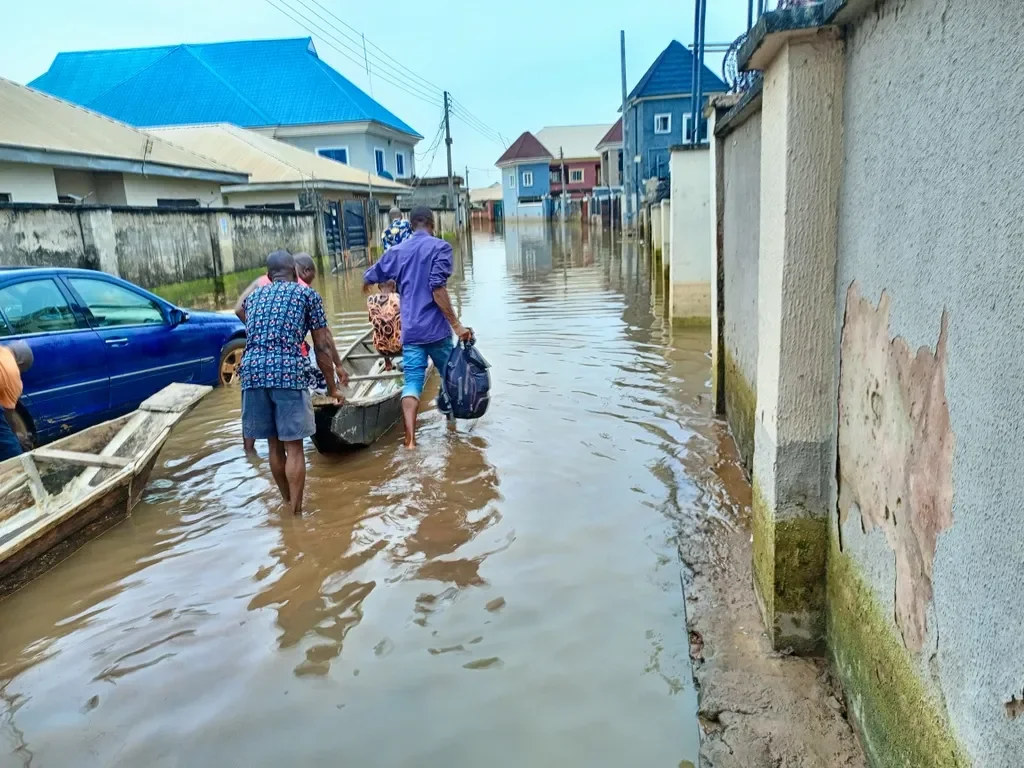
Days of heavy rainfall have left several communities inundated, with residents forced to abandon homes and seek temporary shelter in vehicles, uncompleted buildings and other locations.
/ You Might Also Like /




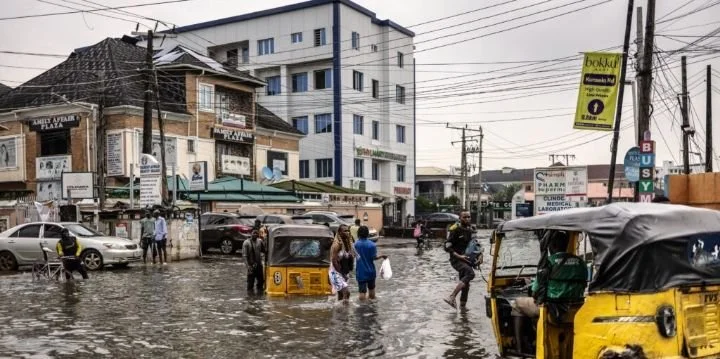
In parts of Port Harcourt and Obio/Akpor Local Government Area of Rivers State, floodwater has entered residential properties and commercial premises, while several roads have become difficult or impossible to navigate.
Families Forced Out of Homes
The flooding has displaced families across several communities, with some residents struggling to find alternative accommodation.
In Rumusita, Eneka, Obio/Akpor, one family was reportedly forced to leave its home after floodwater rose to waist level. After moving to a shop and subsequently to an uncompleted building, the family was forced to relocate again when the surrounding area became submerged.
The family eventually sought shelter in a vehicle, illustrating the immediate housing consequences of severe flooding for households without access to organised emergency accommodation.
The situation has also created additional pressure on nearby accommodation, with reports that some displaced residents have relocated to other areas amid rising rents.
Homes, Businesses and Roads Submerged
The flooding has affected numerous communities across Port Harcourt and surrounding areas, including Rumuekini, Choba, Eneka, Stadium Road, NTA Road, Mgboba, GRA, Peter Odili Road, Rupokwu, Alakahia, Oyigbo and other locations.
Residential buildings, shops, schools and other facilities have been affected, while vehicles have been stranded on flooded roads.
In Delta State, communities across Udu, Uvwie, Warri, Ughelli, Agbarho, Okpe and Ughelli South have also experienced widespread flooding.
Roads around Udu Express Junction, Orhuwhorun and other parts of the state were reportedly submerged, while homes, shops, hotels, schools and vehicle yards in Uvwie were affected.
Business Activity and Public Services Disrupted
The impact extends beyond residential property.
Businesses in affected communities have been forced to close as floodwater spreads across commercial areas, leaving operators unable to access premises and exposing goods, vehicles and equipment to damage.
Schools have also been affected. At Rumuakoara Community Secondary School in Obio/Akpor, rising water forced teachers and students to leave the premises.
Similar disruption has been reported at schools in other affected communities, while some religious and public facilities have suspended activities because residents can no longer move freely through flooded areas.
Drainage and Urban Planning Under Scrutiny
The flooding has renewed concerns about the capacity of drainage and road infrastructure to cope with intense rainfall.
Residents and environmental experts have pointed to inadequate or blocked drainage systems, indiscriminate construction, poor physical planning and obstruction of natural waterways as factors that can worsen flooding.
Environmental expert Daniel Briggs called for stronger drainage planning and maintenance, enforcement of building regulations, protection of waterways, improved waste management and faster emergency response.
The concerns highlight the connection between housing development and wider urban infrastructure. Residential projects constructed without adequate consideration of drainage, waterways and flood risk can leave both households and investors exposed when extreme rainfall occurs.
Flood Risk Increasing Property Vulnerability
For the property market, recurring flooding creates several layers of risk.
Homes in vulnerable locations can face physical damage, reduced accessibility, higher maintenance costs and declining attractiveness to prospective buyers or tenants. Commercial properties can similarly experience interruptions to operations and damage to inventory and equipment.
Flood risk can also affect infrastructure investment decisions, particularly where roads, drainage systems and other supporting infrastructure are inadequate.
The latest flooding therefore extends beyond an emergency-management issue to questions about how cities expand, where housing is developed and whether supporting infrastructure keeps pace with population and construction.
Rivers and Delta Face Wider Infrastructure Challenge
The scale of the latest flooding across both states demonstrates the interconnected nature of housing and urban infrastructure.
In Rivers State, flooding has affected several parts of the Port Harcourt metropolitan area, while Delta communities have faced similar problems across residential, commercial and transport corridors.
The disruption of roads is particularly significant because access to homes, workplaces, schools and businesses depends on functioning transport infrastructure.
Where flooding repeatedly cuts off communities, the economic cost extends beyond individual property damage to lost working days, disrupted commerce and higher household relocation costs.
Need for Stronger Flood-Resilient Development
The latest events are likely to intensify calls for more resilient urban development in flood-prone areas.
Effective flood management requires more than emergency response. Drainage capacity, road design, land-use planning, protection of waterways, waste management and enforcement of development regulations all influence the vulnerability of communities.
For the housing sector, this means incorporating flood risk into decisions around land acquisition, site planning, building design and infrastructure provision.
Developers and property owners also have a role in ensuring that construction does not obstruct natural drainage channels or increase flood exposure in surrounding communities.
Outlook
The flooding across Rivers and Delta has exposed the immediate housing and livelihood consequences of inadequate resilience in vulnerable communities.
With families displaced and homes, businesses, schools and roads affected, the episode underscores the importance of integrating flood risk, drainage infrastructure and urban planning into housing development.
READ MORE