Nigeria Risks Losing 30% of GDP by 2050 as Climate Finance Gap Widens
Climate finance gap puts resilient infrastructure in focus
Nigeria could lose as much as 30% of its Gross Domestic Product (GDP) by 2050 without adequate climate action, as the country faces a substantial shortfall in financing required to support climate mitigation, adaptation and resilient infrastructure.
The warning, made by stakeholders at the Stanbic IBTC Holdings Sustainable Finance Summit 3.0, comes as Nigeria continues to mobilise significantly less climate finance than the estimated investment required annually.
/ You Might Also Like /



The Climate Policy Initiative (CPI) estimates that Nigeria mobilised approximately $2.5 billion in climate finance in 2021 and 2022, representing only about 8% of the estimated $29.7 billion required annually for mitigation and adaptation. The resulting annual financing gap stands at about $27.2 billion.
Climate Risk Increasingly Becomes an Economic Issue
Ibrahim Shelleng, Senior Special Assistant to the President on Climate Finance, said climate finance is increasingly being treated as part of Nigeria’s wider economic development strategy rather than solely as an environmental issue.
He identified infrastructure development, energy security, food security, industrial competitiveness, economic diversification and job creation among the areas that could be affected by sustainable finance.
Shelleng said inadequate climate action could result in a loss of as much as 30% of Nigeria’s GDP by 2050. He also cited an estimated $1.9 trillion investment requirement under Nigeria’s Energy Transition Plan to achieve net-zero emissions by 2060.
Nigeria’s current climate ambitions also require approximately $337 billion in investment by 2035 across mitigation, adaptation and enabling sectors, according to the figures presented at the summit.
Nigeria’s Climate Finance Requirement Far Exceeds Current Flows
The scale of the financing challenge is significant. CPI’s 2024 Landscape of Climate Finance in Nigeria found that climate finance increased from $1.9 billion in 2019/20 to $2.5 billion in 2021/22, but remained far below the estimated $29.7 billion annual requirement.
The estimated requirement comprises approximately $12 billion annually for adaptation and $17.7 billion for mitigation between 2021 and 2030.
The African Development Bank has also identified the $27.2 billion annual gap as a major financing challenge for Nigeria’s climate objectives.
Housing and Infrastructure Face Growing Climate Exposure
For Nigeria’s housing market, the financing gap extends beyond environmental concerns.
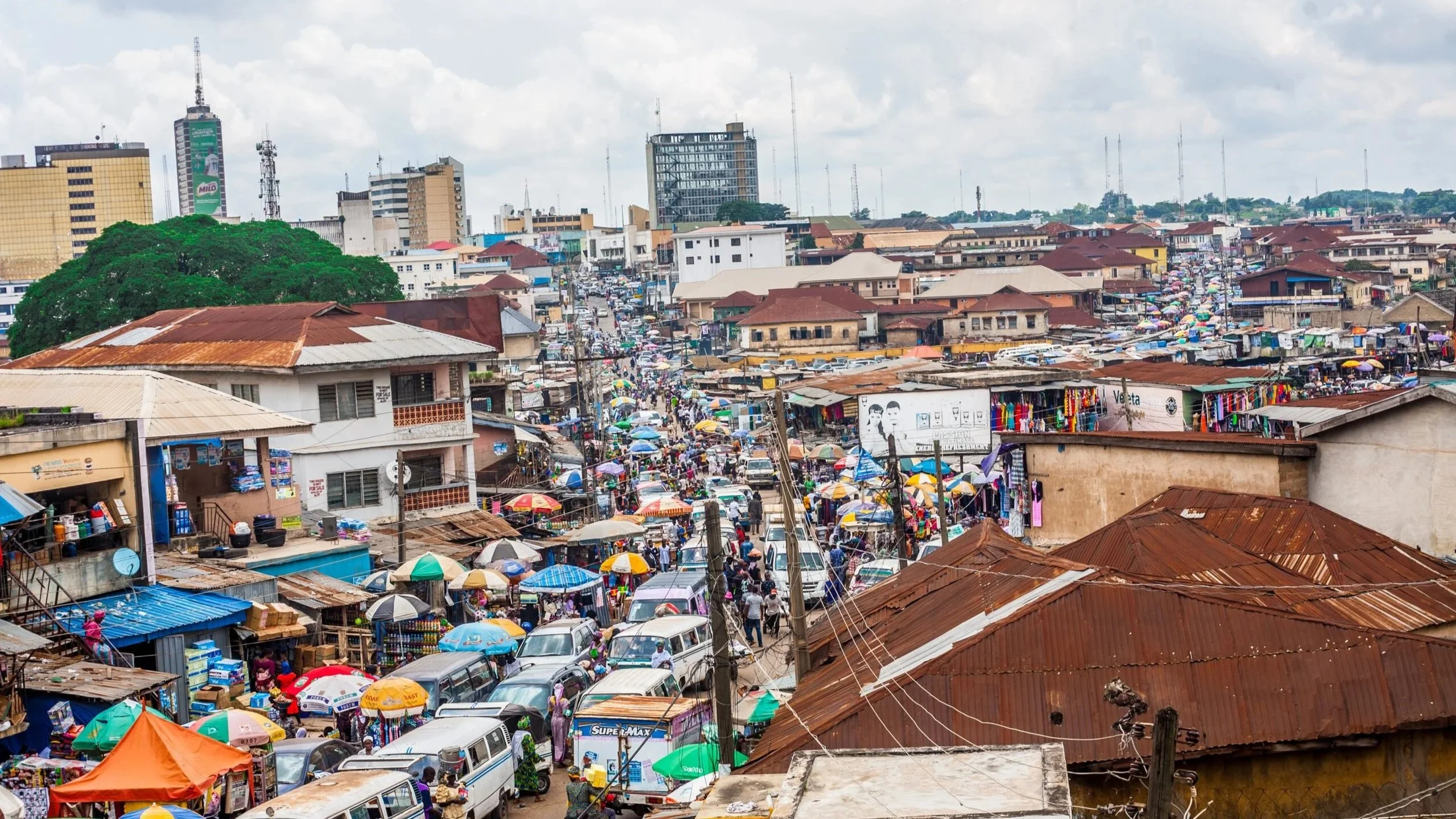
Flooding, coastal erosion, extreme rainfall and other climate-related risks can affect housing developments, roads, drainage systems, utilities and other infrastructure supporting residential and commercial property.
The growing frequency and cost of flooding in urban centres also highlight the importance of incorporating climate resilience into housing and infrastructure planning. For developers, this can increase the importance of drainage, site selection, flood protection, resilient building materials and infrastructure maintenance when assessing long-term project viability.
Without adequate investment in these areas, climate-related damage could increase construction, maintenance and insurance costs while exposing property owners and investors to greater physical risks.
Private Capital Will Be Critical to Closing the Gap
Stakeholders at the summit stressed that public resources alone cannot meet Nigeria’s climate-finance requirements.
Shelleng said the government’s role includes establishing policy and regulatory frameworks, strengthening institutions, improving project pipelines and using public resources to unlock private investment.
This creates potential opportunities for green bonds, blended finance, infrastructure funds, credit guarantees, sustainability-linked instruments and other mechanisms capable of directing institutional capital towards climate-resilient projects.
For the property sector, such financing mechanisms could support developments incorporating energy efficiency, renewable power, water management, flood resilience and other climate-adaptation measures.
Climate Finance Could Shape Future Property Investment
The climate-finance discussion is increasingly relevant to how investors evaluate real estate and infrastructure assets.
Properties exposed to flooding, inadequate drainage, unreliable power or other climate-related vulnerabilities could face higher operating and maintenance costs over time. Conversely, developments that incorporate resilience measures may become more attractive to investors seeking to manage long-term physical and transition risks.
This could gradually make climate resilience a more important consideration in project financing, property valuation, urban planning and infrastructure investment.
Financing Resilience Becomes a Housing Market Priority
Nigeria’s climate-finance challenge therefore intersects with the country’s wider housing and infrastructure deficit.
Closing the financing gap will require capital not only for emissions reduction but also for adaptation measures that protect communities, infrastructure and productive assets from climate-related risks.
For the housing sector, that means directing more investment towards resilient urban infrastructure alongside the construction of new homes. Drainage networks, roads, water systems, electricity infrastructure and flood-management projects remain critical components of sustainable housing delivery.
Outlook
Nigeria’s estimated $27.2 billion annual climate-finance gap underscores the scale of capital required to make the country’s development more resilient. CPI estimates that current climate-finance flows account for only a fraction of the country’s annual requirement.
As climate risks increasingly intersect with economic growth, infrastructure and property markets, the ability to mobilise private and institutional capital could become an important factor in determining the resilience of Nigeria’s future built environment.
READ MORE