Nigeria Loses ₦2.376 Trillion to Grid Inefficiency in 12 Years, NISO Reveals

Stranded Power Capacity Drains ₦2.376 Trillion from Nigeria's Economy
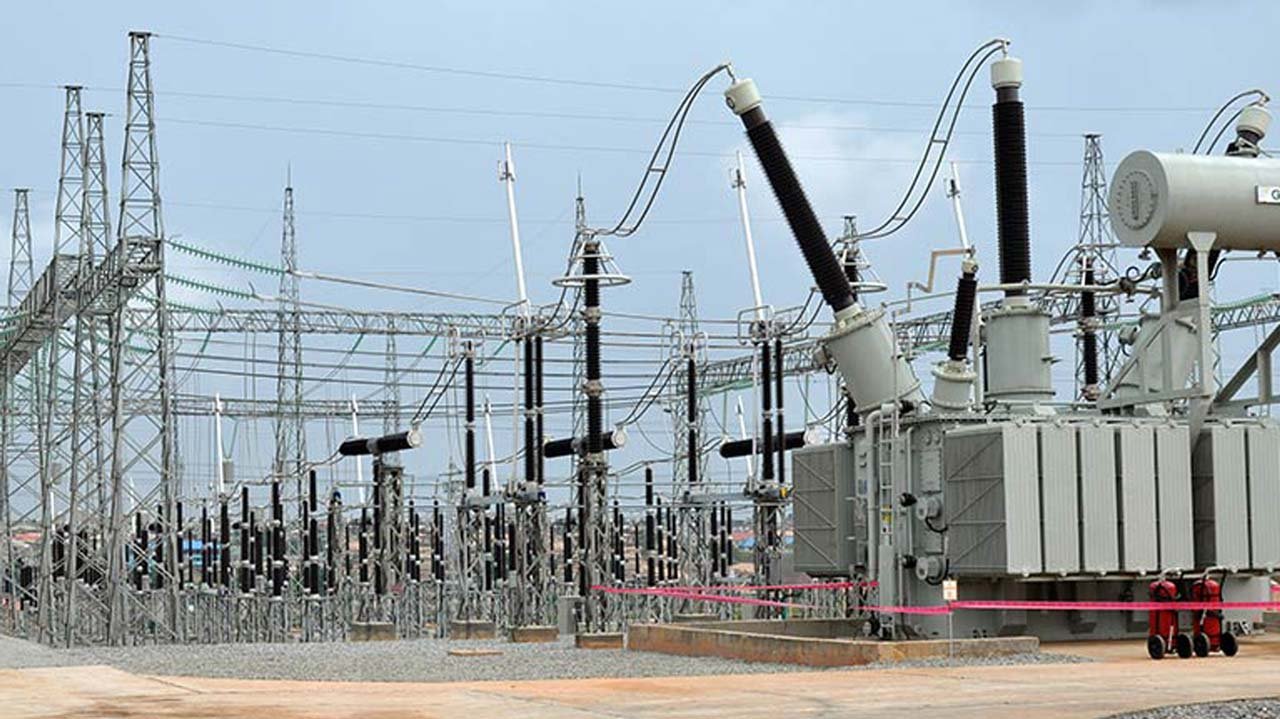
Nigeria has incurred more than ₦2.376 trillion in losses due to persistent inefficiencies in its electricity grid over the past 12 years, according to the Nigerian Independent System Operator (NISO). The agency says a significant portion of the country's available electricity generation capacity remains stranded because the transmission and system operations framework cannot dispatch all available power to consumers.
/ You Might Also Like /




The disclosure was made by the Managing Director and Chief Executive Officer of NISO, Engr. Abdu Bello, during the 11th Nigeria Energy Forum (NEF 2026) held in Lagos. Bello, represented by NISO's General Manager of Research, Engr. Deji Ojo, said the continued underutilisation of existing power infrastructure has resulted in substantial capacity payment losses since 2015.
More Than 3,000MW of Available Power Remains Unused
According to NISO, Nigeria had an available electricity generation capacity of 7,311 megawatts (MW) as of May 2026. However, the country dispatched an average of only 4,222MW, leaving approximately 3,162MW of available generation capacity stranded and unable to contribute to economic activity.
The agency explained that this unused capacity represents electricity that power plants are capable of generating but which cannot be effectively transmitted and distributed through the national grid. Despite investments in generation assets, the inability to evacuate available power continues to limit electricity supply to homes, businesses and industries.
NISO Shifts Focus to Operational Efficiency
Bello said the establishment of the Nigerian Independent System Operator marks a transition in the country's electricity sector from focusing primarily on infrastructure expansion to prioritising operational efficiency, market performance and system reliability.
According to him, the agency's objective is not only to increase installed generation capacity but also to ensure that existing megawatts are converted into measurable economic value through improved grid operations and more efficient system management.
The remarks highlight a longstanding challenge within Nigeria's electricity value chain, where investments in generation have often outpaced improvements in transmission and distribution infrastructure.
Reliable Power Critical for Industrial Growth
The issue formed part of wider discussions at the Nigeria Energy Forum, where stakeholders stressed the importance of reliable electricity supply in driving industrialisation and economic competitiveness.
The Group Managing Director of Odu'a Investment Company Limited, Abdulrahman Yinusa, said dependable electricity remains fundamental to manufacturing and value addition, noting that Nigeria must convert its abundant natural resources into finished products rather than continue exporting raw materials.
Other speakers at the event, including representatives from the National Agency for Science and Engineering Infrastructure (NASENI), the Rural Electrification Agency (REA), the Nigerian Content Development and Monitoring Board (NCDMB), and private-sector organisations, called for greater innovation, investment and collaboration to strengthen the country's energy ecosystem.
Implications for the Economy
The continued underutilisation of electricity generation capacity has broader implications for Nigeria's economy. Limited power supply increases production costs, reduces industrial productivity and forces many businesses to rely on alternative energy sources, particularly diesel and petrol generators.
Industry analysts have consistently identified transmission bottlenecks, ageing infrastructure, inadequate investment and operational constraints as key obstacles preventing the country from fully utilising its available generation capacity. Previous assessments have also linked Nigeria's unstable electricity supply to significant annual economic losses and reduced investor confidence.
Outlook
NISO's assessment underscores that expanding generation capacity alone will not resolve Nigeria's electricity challenges. Improving transmission efficiency, strengthening grid operations and ensuring that available power reaches consumers remain critical to unlocking greater economic value from existing infrastructure.
As Nigeria pursues industrialisation and economic diversification, stakeholders say reforms that enhance grid reliability and reduce stranded capacity will be essential to improving electricity access, supporting manufacturing growth and attracting long-term investment into the power sector.
READ MORE