FG Targets 154,800 Affordable Homes in Major Nationwide Housing Push

Tinubu Announces 154,800 Affordable Homes as Housing Reforms Gather Pace
President Bola Tinubu has announced plans to deliver 154,800 affordable housing units across Nigeria under the newly introduced Tinubu Mass Social Housing Scheme (TMSHS). The initiative, which will be implemented in two phases across the country's 774 local government areas, is designed to expand access to decent housing for low-income households, informal sector workers, young families and other vulnerable groups.
/ You Might Also Like /




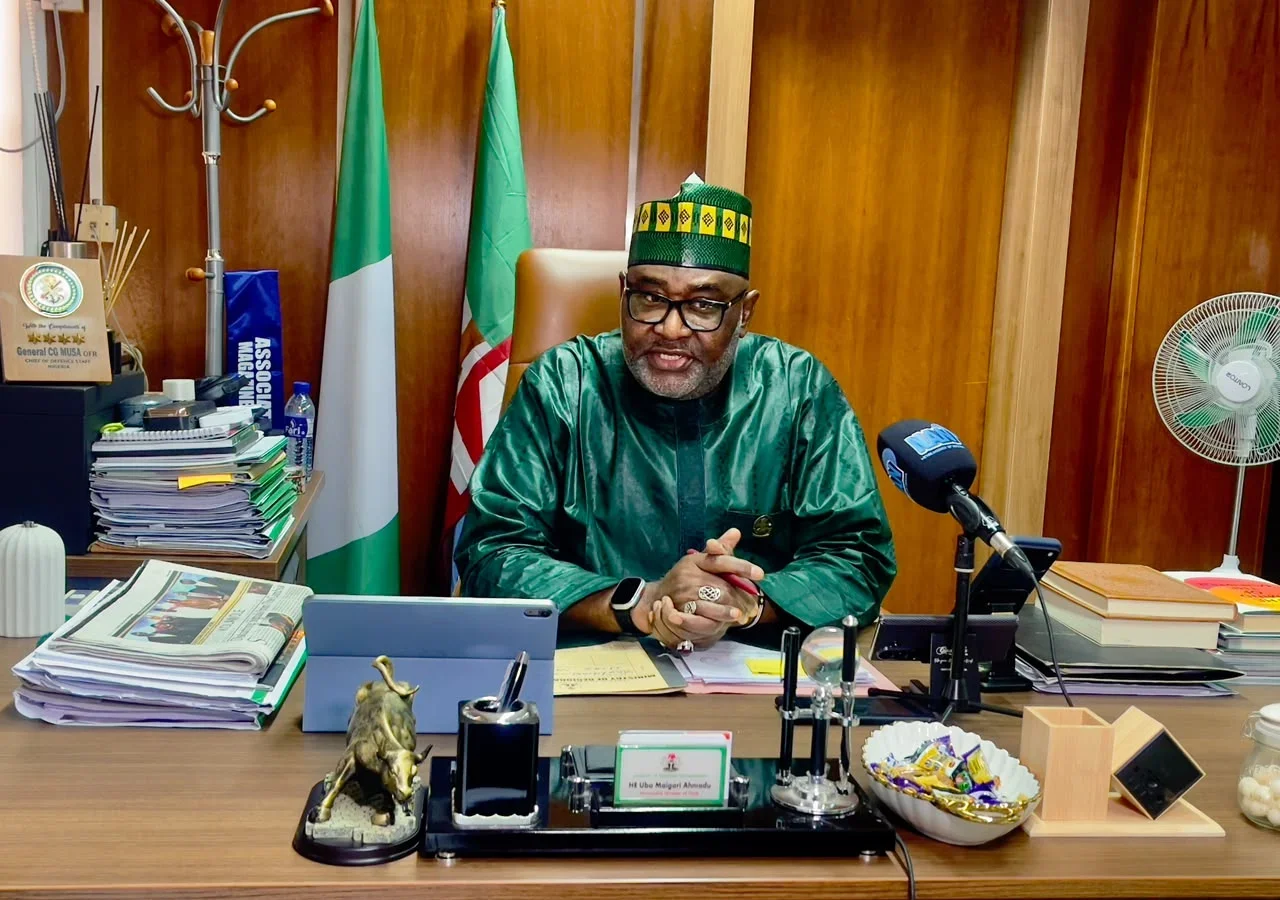
The President made the announcement at the opening of the 20th Africa International Housing Show (AIHS) in Abuja, where he reaffirmed the Federal Government's commitment to tackling Nigeria's housing deficit through large-scale housing delivery, housing finance reforms and strategic partnerships with the private sector and development institutions. President Tinubu was represented by the Minister of Housing and Urban Development, Engineer Muttaqha Rabe Darma.
Housing scheme complements Renewed Hope agenda
According to the President, the Tinubu Mass Social Housing Scheme will complement the ongoing Renewed Hope Housing Programme, which is already delivering housing projects across several states.
He said the administration views housing as more than a social intervention, describing it as an economic growth strategy capable of creating jobs, stimulating local industries and improving living standards. The government also reaffirmed its commitment to attracting domestic and international investment into Nigeria's housing and infrastructure sectors through stronger collaboration with financial institutions, development partners and private investors.
Housing reforms extend beyond construction
Beyond increasing housing supply, the Federal Government outlined several reforms intended to improve the efficiency and affordability of Nigeria's housing market.
Among the key initiatives is the National Housing Data Programme, which will establish Nigeria's first integrated housing database to support evidence-based planning, mortgage development, investment decisions and housing policy formulation.
The administration is also accelerating the digitisation of land administration through the National Digital Land Information System, alongside geospatial mapping and land governance reforms aimed at improving transparency, reducing transaction costs and making land acquisition easier for housing and infrastructure development.
Local manufacturing to reduce construction costs
The government said it will continue promoting local production of building materials as part of efforts to reduce construction costs and strengthen Nigeria's industrial base.
Support for regional building materials manufacturing hubs and greater adoption of indigenous construction technologies are expected to reduce dependence on imported materials, conserve foreign exchange and create employment opportunities within the manufacturing and construction sectors. These measures are also intended to improve the affordability of housing projects nationwide.
Housing finance remains central challenge
Speaking at the event, Managing Director and Chief Executive Officer of the Federal Mortgage Bank of Nigeria (FMBN), Shehu Usman Osidi, noted that access to affordable housing across Africa continues to be constrained by rising land prices, increasing construction costs, inadequate infrastructure and limited access to long-term housing finance.
He stressed that addressing these structural challenges will require innovative financing models, enabling government policies and stronger public-private partnerships to expand access to affordable mortgages and increase housing supply.
Implications for Nigeria's housing sector
If successfully implemented, the Tinubu Mass Social Housing Scheme would represent one of Nigeria's largest social housing initiatives in recent years. By extending affordable housing projects to every local government area, the programme could improve access to homeownership, stimulate construction activity and generate employment throughout the housing value chain.
The accompanying reforms in land administration, digital housing data and local building materials production also have the potential to improve market transparency, reduce development costs and strengthen investor confidence in Nigeria's real estate sector.
For developers and mortgage providers, the initiative could expand opportunities for public-private partnerships while supporting broader efforts to close Nigeria's estimated multi-million-unit housing deficit.
Outlook
The proposed delivery of 154,800 housing units signals an expansion of the Federal Government's affordable housing agenda beyond the existing Renewed Hope Housing Programme. While the scale of the initiative reflects an ambitious national target, its long-term success will depend on effective implementation, sustainable financing, efficient land administration and continued collaboration with private sector stakeholders. If delivered as planned, the programme could significantly improve housing accessibility while supporting economic growth, job creation and more inclusive urban development across Nigeria.
READ MORE