US Proposes 12.5% Tariffs on Nigeria, Seven African Countries Over Forced Labour Concerns
Nigeria, Other African Economies Face New US Trade Barriers Under Tariff Proposal
Nigeria could face higher trade barriers in the United States after the Office of the United States Trade Representative (USTR) proposed a 12.5% tariff on imports from the country as part of a broader trade action targeting economies accused of failing to adequately prevent the flow of goods linked to forced labour through global supply chains.
The proposal forms part of a series of Section 301 investigations covering 60 economies worldwide. According to the USTR, the investigations assessed whether countries had implemented and effectively enforced measures prohibiting the importation of goods produced through forced labour. The agency concluded that many economies had failed to take sufficient action, creating what it described as unfair competition for American workers and businesses.
/ You Might Also Like /




Nigeria Among African Countries Targeted
Nigeria is among a group of African nations that could be affected by the proposed 12.5% tariff. Other African countries identified under the proposal include Algeria, Angola, Egypt, Libya, Morocco and South Africa. The measure would apply to most products exported from the affected countries to the United States if approved following the consultation process.
The proposed tariffs are not yet in force. The USTR has opened a public consultation period and scheduled hearings before making a final determination. Stakeholders, including businesses, governments and trade organisations, will have an opportunity to submit comments before the agency decides whether to proceed with implementation.
Findings of the US Investigation
The USTR launched the investigations earlier this year under Section 301 of the US Trade Act of 1974. The investigations focused on whether foreign governments had taken adequate steps to prohibit imports of goods produced with forced labour and whether failures in enforcement were harming US commerce.
According to the agency, 54 of the 60 economies examined failed to impose and effectively enforce prohibitions on imports linked to forced labour. Countries falling into this category were assigned a proposed tariff rate of 12.5%. A separate group of economies that already have prohibition mechanisms but were deemed to have enforcement shortcomings face a lower proposed tariff rate of 10%.
US Trade Representative Jamieson Greer stated that the failure of major trading partners to address imports associated with forced labour creates an uneven competitive environment for American workers and businesses.
Potential Impact on Nigerian Exports
If implemented, the tariff could affect the competitiveness of Nigerian exports entering the US market. Additional duties generally increase the cost of imported products, potentially reducing demand and affecting export revenues.
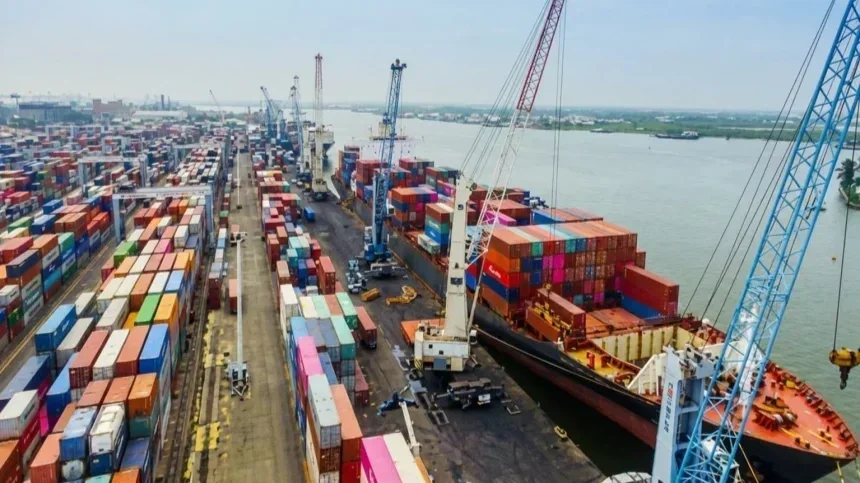
Nigeria exports a range of products to the United States, including crude oil, agricultural products, manufactured goods and other commodities. While some categories of goods may qualify for exemptions under the proposal, businesses involved in export-oriented sectors are likely to closely monitor developments in the consultation process.
Trade analysts note that higher tariffs could create additional challenges for exporters already dealing with global economic uncertainty, exchange-rate fluctuations and rising operating costs.
Implications for US-Africa Trade Relations
The proposal has also raised questions about the future of trade relations between the United States and African economies. Many African countries currently benefit from preferential access to the US market through the African Growth and Opportunity Act (AGOA), which was designed to encourage economic development and strengthen trade ties between the US and eligible African nations.
While the proposed tariffs are separate from AGOA, trade experts say additional duties could reduce some of the advantages that African exporters enjoy under existing trade arrangements. The development comes at a time when several African governments are working to expand exports, attract investment and diversify their economies.
Global Reaction to the Proposal
The tariff proposal has attracted criticism from several countries and trade groups. Some governments argue that they already have measures in place to address forced labour concerns and contend that the proposed tariffs may create unnecessary trade tensions.
Human rights advocates have also pointed out that forced labour remains a global issue affecting multiple industries and jurisdictions, arguing that broad tariff measures may not necessarily address the root causes of the problem.
Business groups have meanwhile warned that additional tariffs could increase uncertainty for companies operating across international supply chains, particularly those that depend on cross-border trade and complex sourcing networks.
What Happens Next?
The USTR will continue receiving public comments on the proposal through early July, with a public hearing scheduled thereafter. Following the review process, the agency will determine whether to proceed with the proposed tariffs, modify the measures or adopt alternative remedies.
For Nigeria and other affected countries, the coming weeks will be critical as governments, exporters and industry stakeholders assess the potential implications of the proposed trade action and consider possible responses.
Outlook
The proposed 12.5% tariff represents a significant development in US trade policy and could have implications for Nigeria’s export sector if implemented. Although the measure remains under review, it signals increased scrutiny of labour-related trade practices and highlights the growing role of supply-chain compliance in international commerce.
For Nigerian policymakers and exporters, the focus will likely shift towards monitoring the consultation process, engaging with US authorities where necessary and evaluating strategies to minimise potential disruptions to trade flows. The final outcome of the USTR review will determine whether the proposal becomes a new obstacle for Nigerian exports or remains a policy proposal subject to further revision.
READ MORE