Lagos Flooding Caused by Drainage Failures, Not Coastal Highway - Umahi
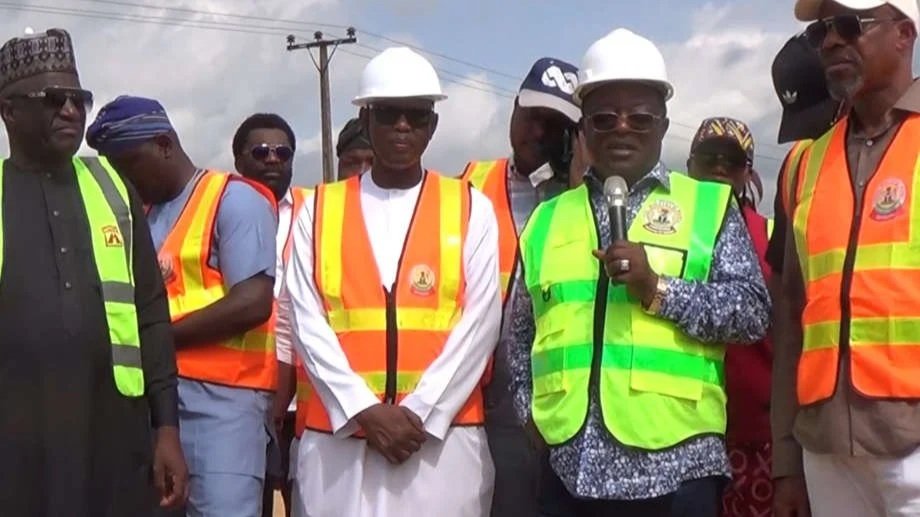
Umahi Rejects Claims Linking Coastal Highway to Lagos Flooding
Minister of Works David Umahi has rejected claims that the ongoing Lagos-Calabar Coastal Highway project caused recent flooding in parts of Lagos, arguing instead that inadequate drainage systems, blocked waterways and rapid urban development are the primary factors behind the flooding incidents. The minister's comments come amid growing public debate over the impact of major infrastructure projects on environmental sustainability and urban resilience.
/ You Might Also Like /




Umahi made the clarification following concerns raised by residents and stakeholders who linked flooding in some coastal communities to construction activities along the highway corridor. He maintained that engineering assessments conducted on the project do not support claims that the road development triggered the flooding.
Government Defends Coastal Highway Design
According to Umahi, the Lagos-Calabar Coastal Highway was designed with extensive drainage infrastructure and environmental safeguards intended to manage stormwater and preserve natural water flow patterns.
The minister stated that the project incorporates modern engineering standards, including culverts, drainage channels and flood mitigation measures designed to reduce environmental risks. He added that the highway's design underwent technical evaluations before construction commenced.
Umahi argued that attributing recent flooding solely to the highway project overlooks longstanding drainage challenges that have affected many parts of Lagos for years.
Poor Drainage and Urban Growth Identified as Key Factors
The Minister of Works pointed to blocked drainage channels, indiscriminate waste disposal and uncontrolled urban expansion as major contributors to flooding across Lagos.
According to him, many natural waterways and drainage routes have been obstructed by residential and commercial developments, reducing the city's ability to manage heavy rainfall effectively. He noted that rapid urbanisation has placed increasing pressure on existing drainage infrastructure, particularly in low-lying and coastal communities.
Urban planning experts have repeatedly identified poor drainage maintenance, wetland encroachment and inadequate stormwater management systems as significant drivers of flooding across Lagos.
FG Orders Technical Assessment
Umahi disclosed that President Bola Tinubu has directed relevant authorities to conduct a technical assessment of affected areas to determine the exact causes of the flooding and recommend appropriate solutions.
The assessment is expected to involve engineers, environmental experts and relevant government agencies. Officials will review drainage infrastructure, water flow patterns and ongoing construction activities within the corridor.
The minister said the review would provide objective findings and help address public concerns while ensuring that infrastructure development aligns with environmental sustainability goals.
Infrastructure and Climate Resilience in Focus
The controversy surrounding the Lagos-Calabar Coastal Highway highlights broader challenges facing rapidly expanding urban centres such as Lagos.
Experts note that climate change, increasing rainfall intensity and rising sea levels are placing additional pressure on urban infrastructure across coastal cities. These challenges have intensified calls for stronger integration of climate resilience measures into infrastructure planning and housing development.
For policymakers and developers, the debate underscores the importance of balancing economic development with environmental protection and sustainable urban planning.
Implications for Housing and Urban Development
Flooding remains one of the most significant risks facing residential communities and real estate investments in Lagos. Persistent flooding can damage infrastructure, reduce property values and increase the cost of urban development.
Industry stakeholders have called for improved drainage systems, stricter development controls and better protection of wetlands and natural floodplains. They argue that long-term resilience will require coordinated action across housing, infrastructure, environmental management and urban planning sectors.
The ongoing discussion around the coastal highway project has renewed attention on the need for comprehensive flood management strategies capable of supporting Lagos' growing population and expanding built environment.
Looking Ahead
As investigations into the recent flooding continue, the Federal Government maintains that the Lagos-Calabar Coastal Highway is not responsible for the incidents. Officials argue that addressing Lagos' flooding challenges requires broader interventions focused on drainage infrastructure, environmental management and sustainable urban development.
The findings of the planned technical assessment are expected to provide greater clarity on the causes of the flooding and inform future infrastructure and resilience planning across the state. For investors, developers and policymakers, the outcome could offer important lessons on integrating climate adaptation measures into major infrastructure projects.
READ MORE