Nigeria’s Housing Challenge Deepens as Minister Puts Unhoused Population at 110 Million
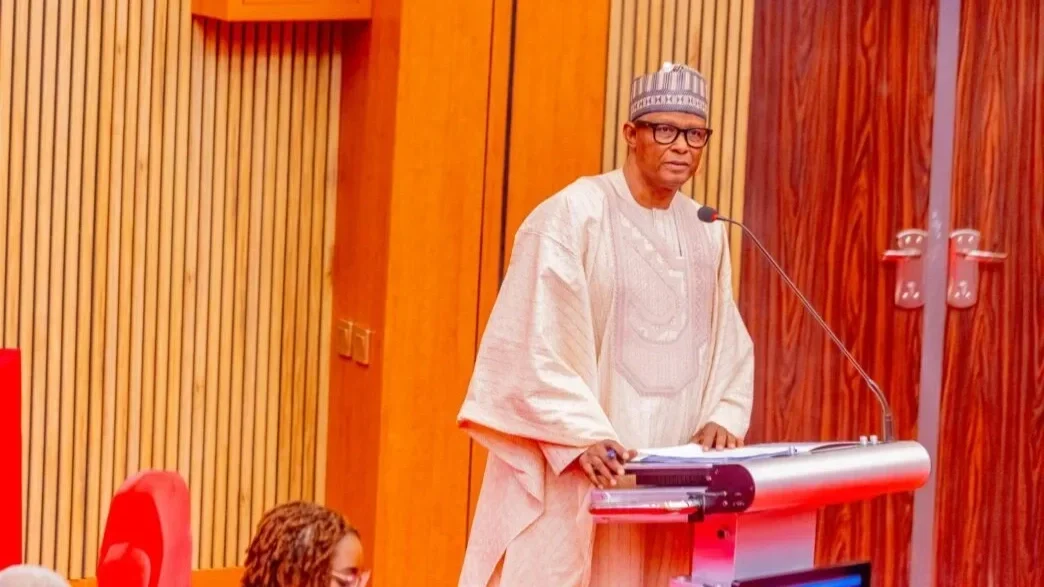
Housing Minister Muttaqha Darma
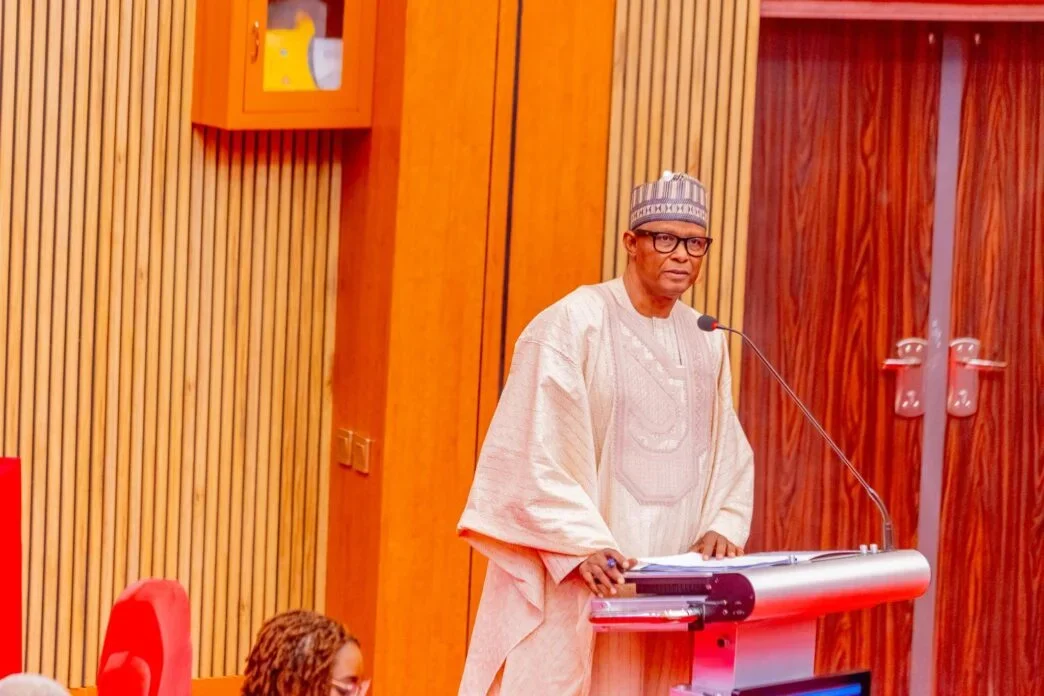
Nigeria’s housing challenge extends far beyond the number of homes captured in conventional housing-deficit estimates, with the Minister of Housing and Urban Development, Muttaqha Darma, saying about 110 million Nigerians are currently unhoused.
Darma made the disclosure while highlighting the Federal Government’s efforts to expand access to affordable housing, including the allocation of homes to workers under the Renewed Hope Cities and Estates Programme.
/ You Might Also Like /




The minister said the government requires an estimated 16 million housing units to accommodate more than 100 million Nigerians who are either unhoused or living without adequate housing.
110 Million Unhoused Nigerians Highlight Scale of Challenge
The figure underscores the scale of Nigeria’s housing challenge and the pressure it places on government, developers, financiers and other participants in the property market.
Darma described the responsibility of providing homes for 110 million Nigerians as a major task, stressing that every opportunity to deliver additional housing units remains significant.
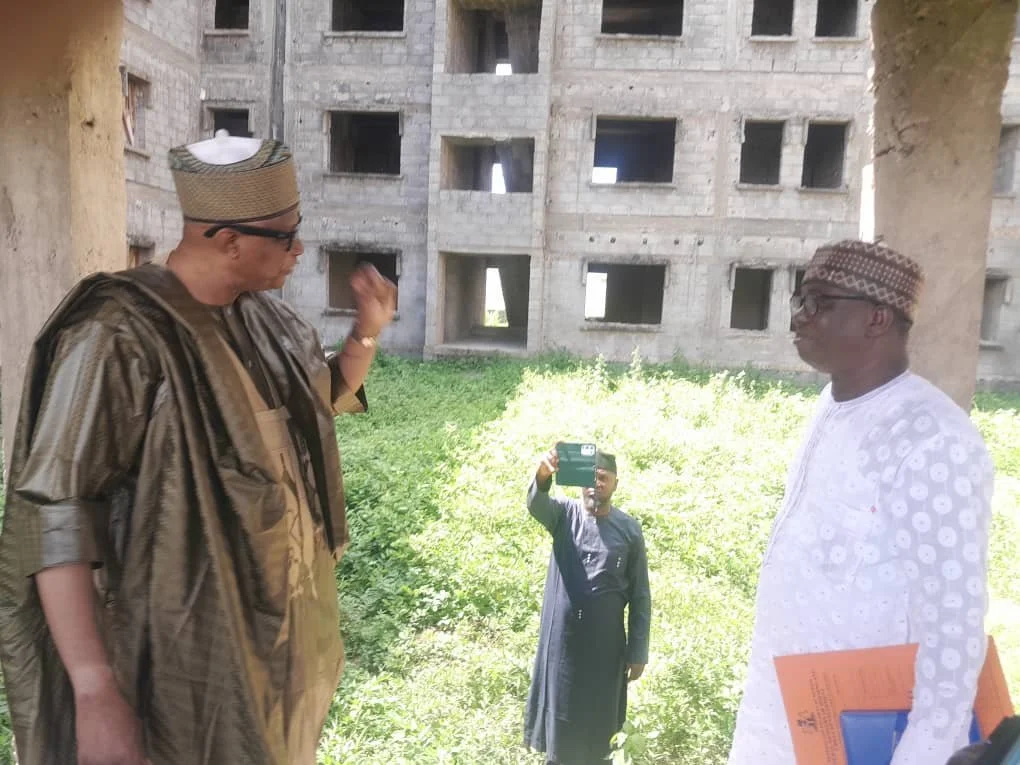
The minister’s comments come as the Federal Government pursues several approaches to increasing housing supply, including new housing developments, partnerships with institutions and the recovery of stalled or abandoned projects.
The government has also identified close to 250,000 abandoned housing units across the country for assessment and possible rehabilitation, creating a potential additional source of housing supply without relying entirely on new construction.
Housing Supply Remains a Major Constraint
Nigeria’s housing shortage reflects a combination of insufficient housing delivery, rapid population growth, urbanisation, high construction costs and limited access to long-term housing finance.
The challenge is particularly pronounced in major urban centres, where demand for formal housing continues to rise while land, infrastructure and construction costs push new homes beyond the purchasing power of many households.
For developers, the situation creates substantial underlying demand but does not automatically translate into commercially viable housing projects. The ability to convert demand into effective market transactions depends on household incomes, mortgage availability, land costs, infrastructure and the cost of construction.
Government Targets Abandoned Housing Projects
The Federal Government is also looking beyond new developments to existing housing assets that have remained incomplete or unoccupied.
Darma recently said the ministry was compiling information on abandoned housing projects across the country, including developments initiated under previous administrations.
The government is engaging state governments over the possibility of taking over, acquiring or rehabilitating some of these projects and converting them into usable homes, particularly for public-sector workers.
If implemented effectively, the approach could return thousands of housing units to productive use while reducing the amount of capital and time required compared with developing entirely new estates.
However, the condition of individual projects, ownership arrangements, outstanding liabilities, infrastructure requirements and rehabilitation costs will determine how many of the identified units can actually return to the housing market.
Rent Burden Adds to Housing Affordability Pressure
The government has also linked the housing challenge to the amount of household income absorbed by rent.
Darma said the Federal Government wants to ensure workers do not spend between 40 and 60 per cent of their income on rent, describing excessive housing costs as a major pressure on households.
The objective comes against a backdrop of rising construction costs and limited affordable housing supply, which have made it increasingly difficult for many households to transition from renting to homeownership.
Reducing the rent burden, however, will require more than addressing rental prices. Expanding the supply of affordable homes, increasing access to housing finance and reducing the cost of development will also influence whether households can secure suitable accommodation at sustainable prices.
Construction Costs Continue to Affect Housing Delivery
The minister also pointed to the rising cost of constructing homes, which remains one of the major constraints on affordable housing delivery.
Higher prices for cement, steel, fittings, labour, land and infrastructure increase development costs and ultimately affect the price at which completed properties can enter the market.
For developers, this creates a difficult balance between delivering homes at prices households can afford and achieving sufficient returns to justify construction and financing costs.
The challenge also reinforces the importance of lower-cost financing, infrastructure provision and more efficient land and development processes in expanding the supply of affordable housing.
Housing Demand Creates Long-Term Market Opportunity
The scale of the housing need also represents substantial long-term demand for Nigeria’s residential property market.
A large population requiring improved housing creates opportunities for developers, mortgage providers, institutional investors, construction companies and infrastructure providers.
However, the size of the potential market should not be confused with effective demand. Millions of Nigerians may require better housing but lack the income, financing or purchasing power needed to acquire homes at prevailing market prices.
This gap between housing need and effective demand remains one of the central issues confronting Nigeria’s property sector.
Government and Private Sector Will Need to Expand Delivery
Meeting the scale of the housing requirement will require participation beyond direct government construction.
Private developers already account for a significant share of housing delivery, while government intervention can help address areas where market mechanisms alone struggle, including affordable housing, infrastructure, land access and long-term finance.
Public-private partnerships, mortgage-market reforms, institutional investment and the rehabilitation of existing housing assets could therefore become increasingly important as policymakers seek to increase delivery.
The government’s approach to abandoned housing projects could also provide a model for converting underutilised public assets into housing supply, provided ownership, funding and allocation issues are resolved efficiently.
Outlook
The minister’s estimate of 110 million unhoused Nigerians highlights the scale of the accommodation challenge confronting Nigeria and the need for sustained expansion of housing supply.
The Federal Government’s current approach combines new housing delivery with the rehabilitation of abandoned projects and measures aimed at reducing household rent pressures.
For the property sector, the critical issue will be whether these initiatives can translate into a sustained increase in affordable, financeable and well-located housing units.
With the government estimating a requirement of about 16 million additional homes, closing the gap will depend not only on the number of projects announced but also on the pace of actual delivery, the cost of development and the ability of households to afford the resulting homes.
READ MORE