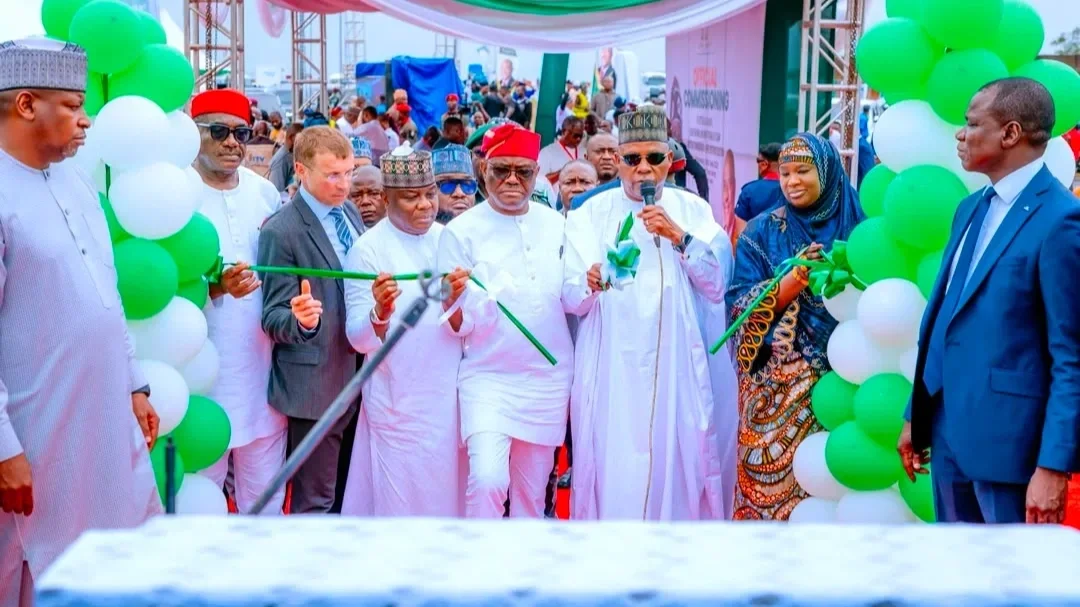
Abuja Will Reflect Nigeria’s Growth and National Identity, Says Tinubu
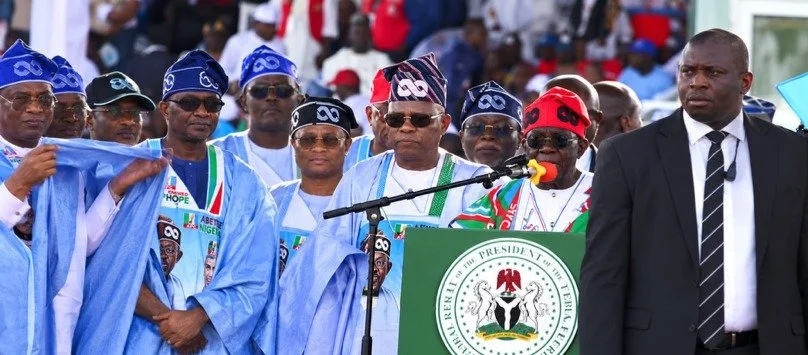
President Bola Tinubu has reaffirmed his administration’s commitment to transforming Abuja into a world-class capital city, underscoring the role of infrastructure development, urban planning, and improved connectivity in shaping the future of Nigeria’s Federal Capital Territory (FCT). The President said the ongoing transformation of Abuja aligns with broader national objectives aimed at strengthening economic growth, enhancing urban mobility, and projecting Nigeria’s identity through a modern and globally competitive capital.
/ You Might Also Like /




Speaking in Abuja, Tinubu stated that the FCT must evolve to reflect Nigeria’s growing population, economic aspirations, and status as Africa’s largest economy. He noted that sustained investment in infrastructure remains central to achieving this objective and ensuring that the capital city can meet future demands.
Infrastructure Development at the Core of Abuja's Transformation
According to the President, ongoing and planned infrastructure projects are expected to improve transportation networks, reduce logistics costs, enhance connectivity, and create an environment that attracts both domestic and foreign investment. He stressed that modern infrastructure serves as a catalyst for economic activity, urban expansion, and improved quality of life for residents.
The administration's focus on road networks, urban renewal initiatives, and strategic public infrastructure projects forms part of a wider effort to strengthen Abuja's position as a leading African capital city. The government believes that enhanced connectivity across the FCT will support business growth while easing movement for residents and visitors.
Abuja's Growing Importance in Nigeria's Development Agenda
As Nigeria's political and administrative centre, Abuja occupies a strategic role in the country's long-term development plans. Since becoming the nation's capital in 1991, the city has experienced rapid population growth and significant urban expansion, placing increasing demands on infrastructure and public services.
Recent population growth and economic activity have accelerated the need for investments in transportation, housing, utilities, and public facilities. Urban planners and policymakers have increasingly emphasised the importance of maintaining Abuja's master plan while accommodating future expansion and demographic changes.
The Federal Government's renewed focus on Abuja comes as cities across Africa compete to attract investment, talent, and international business. Well-developed infrastructure and efficient urban systems are widely regarded as critical factors in enhancing competitiveness and supporting sustainable growth.
FCT Administration Driving Urban Renewal Efforts
The Federal Capital Territory Administration (FCTA), under the leadership of Minister Nyesom Wike, has accelerated the execution of infrastructure projects across the territory. Recent investments have focused on road construction, rehabilitation projects, district development, and public facilities designed to improve urban functionality.
Government officials have repeatedly stated that infrastructure delivery remains a cornerstone of the Renewed Hope Agenda, with Abuja serving as a visible demonstration of the administration's development strategy. Improved transportation corridors and upgraded public infrastructure are expected to stimulate economic activity while supporting residential and commercial growth.
Economic and Investment Implications
The continued development of Abuja carries significant implications for the real estate, construction, and infrastructure sectors. Major public investments often create opportunities for private sector participation, including residential developments, commercial projects, hospitality investments, and urban services.
Analysts note that improved infrastructure typically enhances land values, attracts business activity, and supports broader economic development. For investors and developers, Abuja's growth trajectory presents opportunities across multiple segments of the property and infrastructure value chain. The city's status as a planned capital and government hub continues to make it a focal point for long-term investment.
Outlook
President Tinubu's reaffirmation of support for Abuja's transformation highlights the Federal Government's intention to position the capital as a modern, efficient, and globally competitive city. With infrastructure-led development at the centre of the strategy, the administration aims to create a capital that reflects Nigeria's economic ambitions, accommodates future population growth, and strengthens the country's international profile.
As ongoing projects progress and new investments emerge, Abuja's evolution will remain a key indicator of Nigeria's broader urban development agenda and commitment to building resilient, world-class infrastructure.
READ MORE