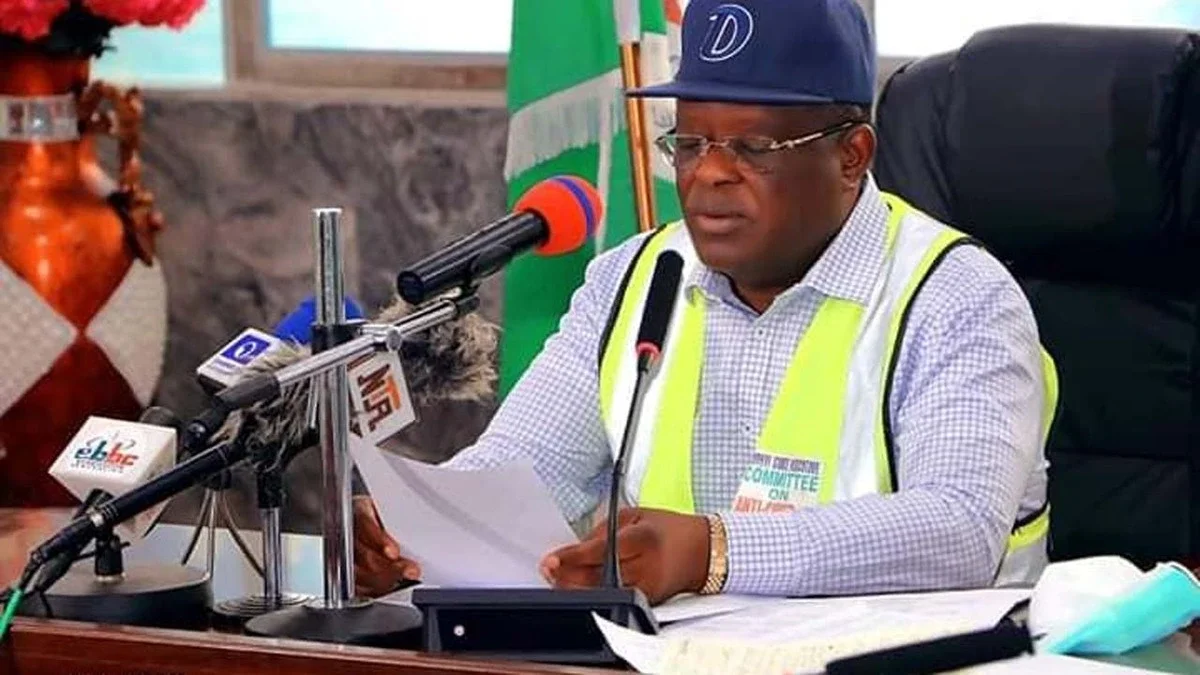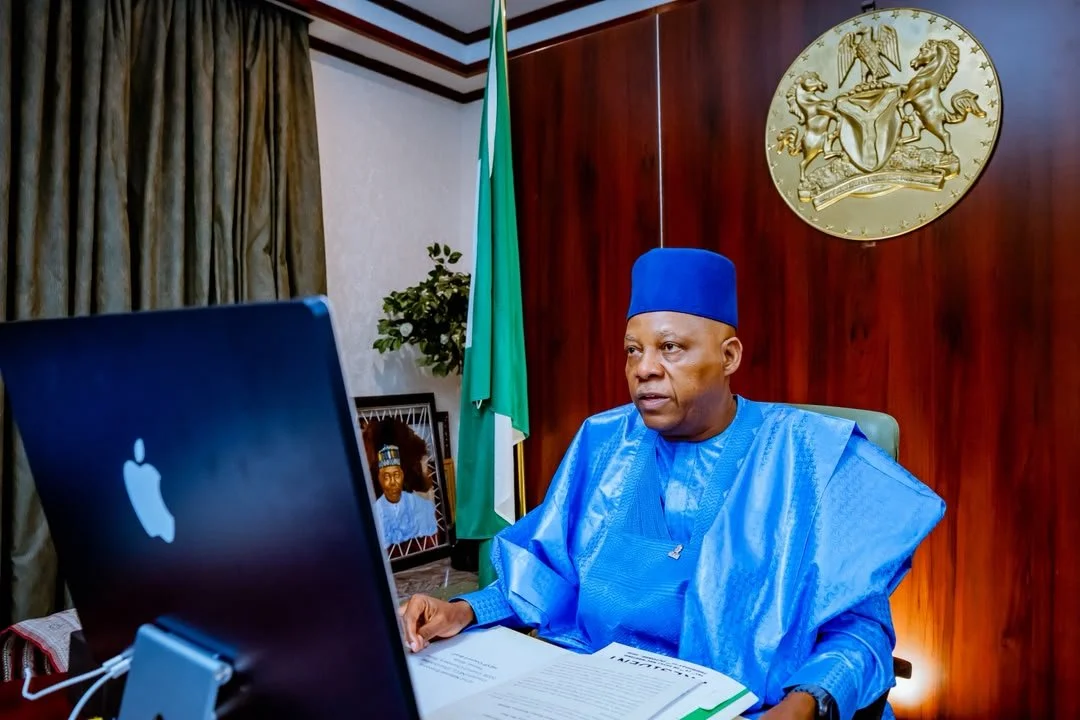
Taiwo Oyedele, Chairman of the Presidential Fiscal Policy and Tax Reforms Committee
The Minister of Finance and Coordinating Minister of the Economy, Taiwo Oyedele, has inaugurated an inter-ministerial committee to develop Nigeria's Value Added Tax (VAT) Modification Order 2026, giving members six weeks to produce a framework that supports the implementation of the country's recently enacted Tax Reform Acts.
/ You Might Also Like /




According to the Ministry of Finance, the new VAT Modification Order will align VAT administration with the Tax Reform Acts that came into effect on 1 January 2026. Rather than replicating the previous framework, the committee has been tasked with producing a modern VAT regime that provides greater clarity, certainty and consistency for businesses, investors and tax administrators.
Committee Mandate
The committee will review Nigeria's current VAT administration framework and identify areas requiring clarification under the new tax laws.
Its responsibilities include:
Drafting the 2026 VAT Modification Order.
Developing updated schedules for VAT-exempt and zero-rated goods and services.
Engaging public and private sector stakeholders.
Producing implementation guidelines.
Recommending legislative amendments where necessary.
The Minister said the framework should promote investment, industrialisation, exports, food security, innovation and the energy transition while maintaining the integrity of Nigeria's VAT system.
Improving Business Certainty
The new VAT Modification Order is expected to provide businesses with clearer guidance on the application of VAT under Nigeria's new tax regime.
Greater certainty around tax obligations could improve business planning, reduce compliance disputes and simplify tax administration across multiple sectors of the economy. The reforms also seek to align VAT implementation with international best practices while supporting economic competitiveness.
Implications for Housing and Real Estate
Although the committee's work focuses on tax administration, the outcome could have significant implications for Nigeria's housing and construction industry.
Developers, contractors, manufacturers of building materials and property investors depend on a predictable tax environment when planning long-term projects. Clearer VAT rules could reduce uncertainty surrounding the taxation of construction inputs, professional services and property-related transactions, helping businesses make more informed investment decisions.
A modern VAT framework may also improve the ease of doing business by simplifying compliance requirements and reducing administrative bottlenecks that affect project delivery.
For institutional investors, greater tax certainty can strengthen confidence in large-scale housing developments, infrastructure projects and commercial real estate investments.
Supporting Economic Reforms
The committee forms part of the Federal Government's broader tax reform agenda, which seeks to modernise Nigeria's fiscal framework, improve revenue administration and create a more competitive investment environment.
Recent reforms have included the implementation of new tax legislation and the adoption of harmonised tax frameworks by several states to reduce multiple taxation and improve regulatory consistency. Together, these measures are intended to strengthen investor confidence and support sustainable economic growth.
Industry Implications
For the property sector, the development signals continued efforts to improve Nigeria's fiscal and regulatory environment.
A clearer VAT framework could enhance project planning, reduce tax-related uncertainties and support investment across residential, commercial and industrial real estate. Construction companies and developers may also benefit from more transparent VAT administration, particularly where projects involve multiple suppliers, contractors and jurisdictions.
While the committee's recommendations are still being developed, the initiative reinforces the government's commitment to creating a more efficient and predictable tax system that supports long-term investment.
Outlook
The six-week timeline reflects the government's intention to implement the new VAT framework quickly as part of Nigeria's wider tax reforms. If the committee delivers a clear and practical VAT Modification Order, the reforms could improve tax certainty, strengthen investor confidence and contribute to a more stable operating environment for businesses, including those in the housing, construction and real estate sectors.
READ MORE