Private Capital to Drive New Mass Housing Initiative in Anambra
The Anambra State Government has announced plans to develop a mass housing policy in partnership with private investors as part of efforts to address rising rental costs and reduce the state's housing deficit. The initiative forms part of a broader strategy by the administration of Governor Chukwuma Soludo to increase housing supply and improve affordability for residents across the state.
/ You Might Also Like /




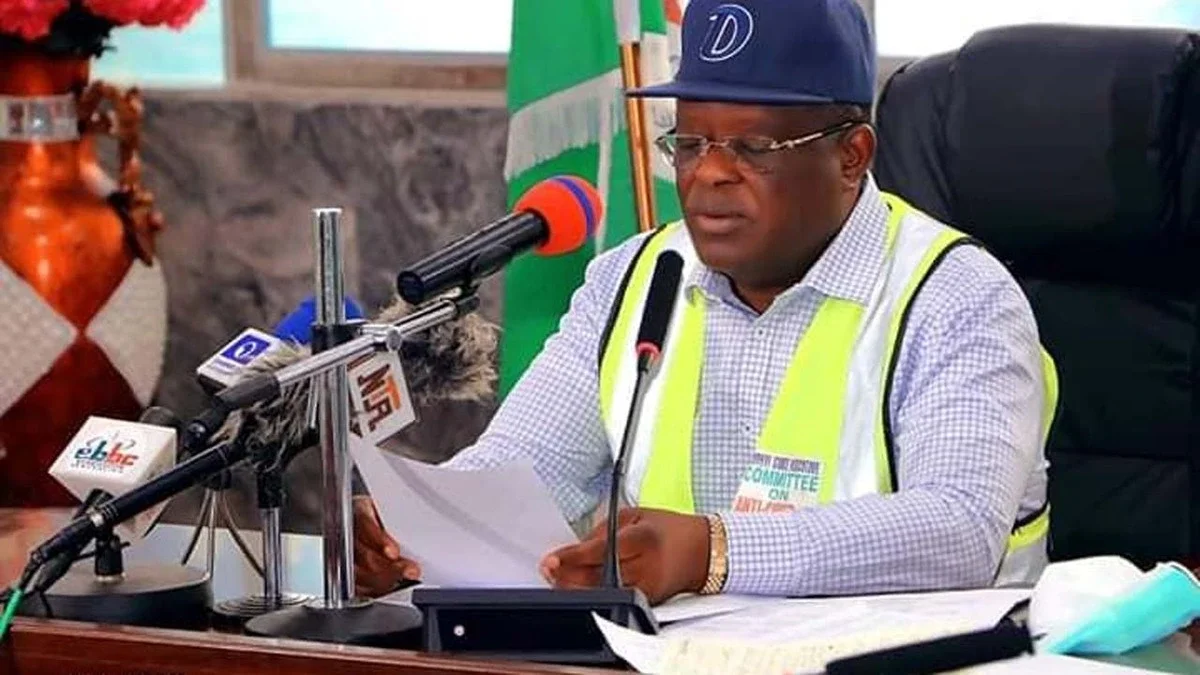
The decision was reached during a meeting of the Anambra State Executive Council in Awka, where officials expressed concern over escalating rents and growing pressure on the housing market. According to the government, expanding the supply of residential properties through collaboration with private sector developers represents a sustainable approach to addressing both challenges simultaneously.
Rising Housing Costs Prompt Government Action
Housing affordability has become an increasingly important issue across many Nigerian cities, with rising construction costs, urbanisation, population growth and inflation contributing to higher rental prices. In Anambra, government officials acknowledged that insufficient housing supply remains a major factor behind the upward pressure on rents.
The proposed mass housing policy is expected to focus on the supply side of the housing market by encouraging investment in residential developments and creating an enabling environment for private developers. Authorities believe that increasing the stock of available housing will help moderate rental costs over the long term while improving access to accommodation for residents.
While specific project locations, housing targets and implementation timelines have yet to be disclosed, the state government indicated that details of the partnership framework will be announced in due course.
Private Sector Expected to Play Key Role
The proposed initiative highlights the growing importance of public-private partnerships in addressing Nigeria's housing challenges. Governments at both federal and state levels have increasingly relied on private capital and expertise to deliver housing projects, particularly as financing constraints continue to limit public-sector-led development.
Under the planned framework, private developers and investors are expected to work alongside the state government to increase housing delivery. Such partnerships can help accelerate project execution, attract investment capital and improve access to modern housing infrastructure without placing the full financial burden on government resources.
Industry analysts note that successful housing partnerships often require clear land administration systems, supportive planning regulations and access to infrastructure such as roads, water and electricity. These factors will likely influence the effectiveness of Anambra's proposed housing programme.
Housing Development Aligns With Broader Urban Growth Strategy
Anambra remains one of Nigeria's most economically active states, driven by strong commercial activity in cities such as Onitsha, Awka and Nnewi. Continued urban expansion has increased demand for residential accommodation, creating pressure on existing housing stock.
The planned mass housing initiative aligns with broader efforts to improve infrastructure and urban development across the state. During the same Executive Council meeting, the government approved several infrastructure projects, including the construction of a floodwater diversion channel in Orumba North Local Government Area, the procurement of medical equipment for General Hospital Oroma Etiti and landscaping works at Nwafor Orizu College of Education, Nsugbe.
Officials also approved policies aimed at strengthening governance and project delivery, including a requirement for companies bidding for government contracts to provide proof of tax compliance. The state further resolved to involve professionals from universities and academic institutions in project design and implementation to improve outcomes.
Implications for the Housing Market
If successfully implemented, the mass housing policy could help expand housing availability in key urban centres across Anambra and ease affordability pressures facing tenants. Increased residential supply may also create opportunities for developers, construction firms, financial institutions and investors seeking exposure to the state's growing property market.
The initiative comes at a time when many Nigerian states are exploring innovative approaches to bridge housing gaps and support economic development. With housing demand continuing to rise, large-scale residential development programmes are increasingly viewed as critical components of urban planning and economic growth strategies.
Outlook
Anambra's decision to partner with private investors on mass housing projects reflects a growing recognition that housing affordability challenges require long-term, market-driven solutions. By focusing on increasing supply through public-private collaboration, the state aims to address rising rents, reduce the housing deficit and support sustainable urban development.
The success of the initiative will ultimately depend on the structure of the partnerships, the speed of implementation and the ability of developers to deliver housing at scale. However, the policy signals a significant step towards strengthening housing delivery and improving access to accommodation in one of Nigeria's fastest-growing economic hubs.
READ MORE