Tinubu Approves Abuja Land for Foreign Envoys to Boost Investment Drive

Abuja Land Allocation to Envoys Signals Nigeria’s Renewed Investment Strategy
President Bola Ahmed Tinubu has approved the allocation of land in Abuja to ambassadors and high commissioners-designate, a policy aimed at strengthening diplomatic engagement and advancing Nigeria’s foreign investment strategy. The initiative, announced by Nyesom Wike, forms part of a broader effort to position the Federal Capital Territory (FCT) as a hub for international partnerships and economic growth.
/ You Might Also Like /



Policy Framework and Strategic Intent
The land allocation policy seeks to provide foreign envoys with a permanent base in Abuja, enabling stronger institutional ties between Nigeria’s diplomatic corps and the federal government. According to official statements, the move ensures that diplomats have access to residential infrastructure during official engagements and periodic briefings in the capital.
Authorities emphasise that the initiative goes beyond housing provision. It is designed to deepen diplomatic relations and reinforce Abuja’s role as Nigeria’s administrative and international relations hub. By anchoring envoys more firmly within the capital, policymakers aim to foster sustained engagement with foreign missions.
Investment Promotion and Economic Diplomacy
The policy aligns closely with the administration’s economic diplomacy agenda. Wike has tasked envoys with actively promoting Nigeria as an investment destination, noting that diplomatic representatives play a critical role in shaping global perceptions and attracting capital inflows.
He highlighted that the federal government’s international outreach efforts must be complemented by ambassadors through targeted investor engagement and partnership development. Priority sectors identified include agriculture and waste management, particularly within the FCT, where significant untapped potential remains.
Urban Development and Real Estate Implications
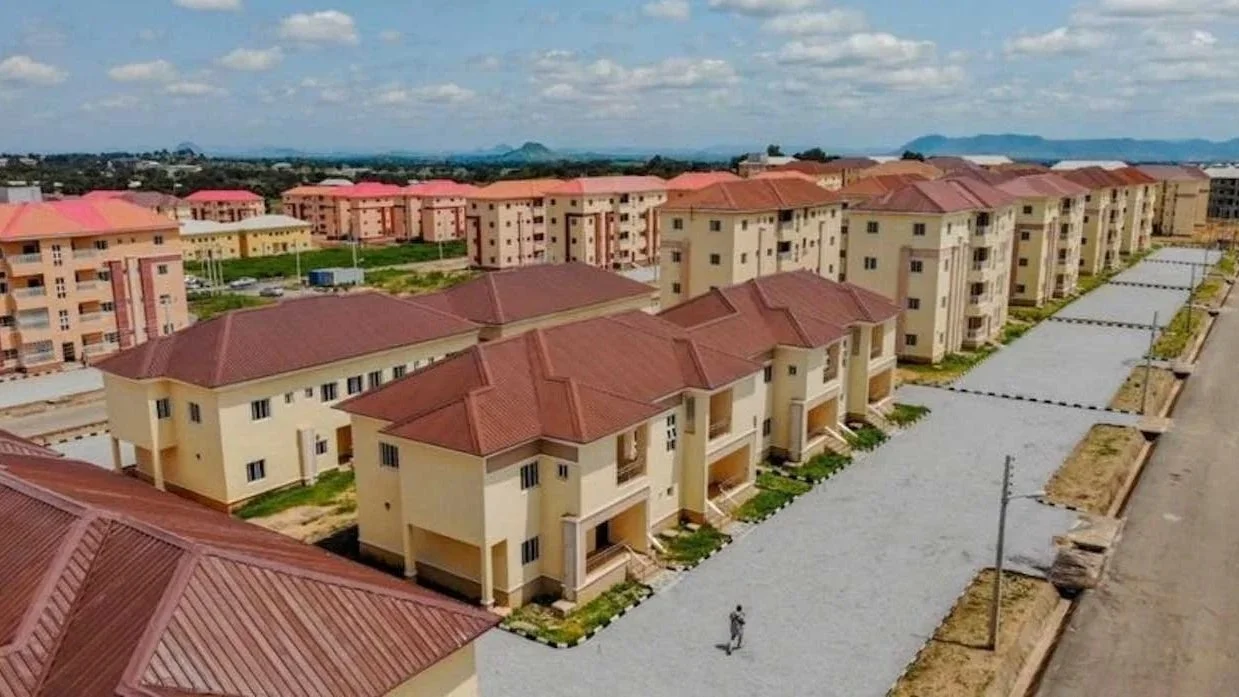
From a real estate and urban policy perspective, the land allocation reflects Abuja’s growing importance as a strategic investment destination. Increased diplomatic presence is expected to drive demand for high-quality infrastructure, residential developments, and commercial services within the capital.
The FCT administration has concurrently accelerated infrastructure upgrades across its six area councils, including improvements in connectivity and urban management systems. These developments aim to enhance Abuja’s competitiveness among global capitals and attract long-term foreign investment.
For investors, the policy signals continued government commitment to structured urban expansion and institutional real estate development. It also underscores the role of public sector intervention in shaping land use patterns within Nigeria’s most important administrative city.
Governance and International Positioning
Officials have framed the initiative within a broader governance and foreign policy context. The administration seeks to align domestic urban development with international engagement, positioning Abuja as both a political and economic gateway.
Diplomats have also been urged to counter negative narratives about Nigeria’s political system and reinforce the country’s standing as a stable, multi-party democracy. This messaging forms part of a wider effort to build investor confidence and improve Nigeria’s global image.
The approval of land for foreign envoys in Abuja represents a convergence of housing policy, urban development, and economic diplomacy. By integrating diplomatic infrastructure with investment promotion, the federal government is leveraging real estate as a strategic tool for international engagement. The long-term impact will depend on execution, particularly the ability to translate diplomatic presence into measurable investment inflows and sustainable urban growth.
READ MORE