Nigeria’s Infrastructure Spending to Reach $40bn by 2050 - PwC Report
Nigeria to Maintain Africa’s Top Infrastructure Market with $40bn Annual Spend
Nigeria’s annual infrastructure spending is projected to increase by 77 percent to $40 billion by 2050, according to PwC’s latest Global Infrastructure Outlook. The report positions Nigeria as Africa’s largest infrastructure market, ranking 23rd globally, with growth driven by investments in power, transport, and digital systems.
/ You Might Also Like /



Growth Trajectory and Market Position
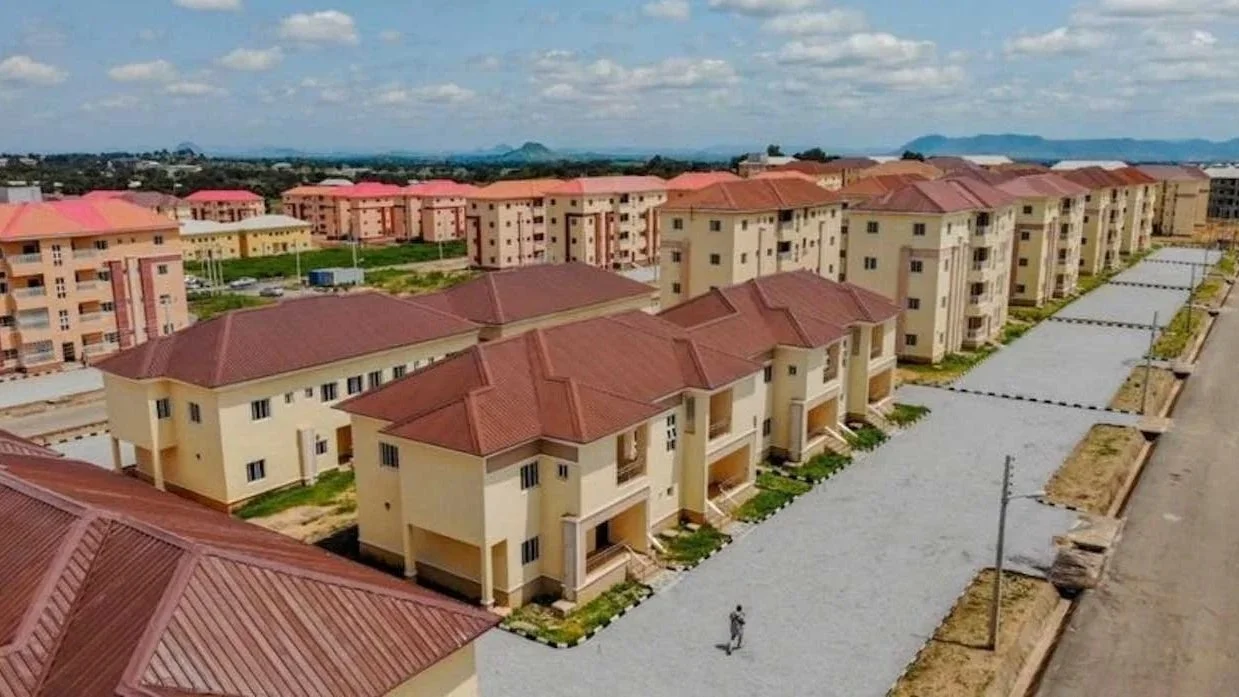
PwC’s analysis indicates that Nigeria will retain its leadership position in Africa’s infrastructure market over the long term. The projected increase to $40 billion annually reflects a significant expansion from current spending levels, underpinned by demographic growth, rapid urbanisation, and rising demand for modern infrastructure systems.
The report ranks Nigeria 23rd globally in infrastructure investment potential, highlighting its strategic importance within emerging markets. This trajectory aligns with broader continental trends, as Africa is expected to record the fastest infrastructure investment growth rate worldwide through 2050.
Sectoral Drivers: Power, Transport, and Digital Infrastructure
The expansion will be led by three core sectors: transport connectivity, power infrastructure, and digital systems. PwC identifies power as the fastest-growing segment, with annual investment projected to rise by 187 percent—from $1.1 billion in 2024 to $3.2 billion by 2050.
This surge reflects Nigeria’s urgent need to address electricity deficits, improve grid reliability, and support industrial growth. Transport infrastructure is also expected to attract substantial investment as the country expands road, rail, and logistics networks to support economic activity and trade flows.
Digital infrastructure, including data centres and smart systems, represents an emerging priority. Increasing demand for connectivity, automation, and technology-enabled services is reshaping infrastructure planning and investment allocation.
Global Context and Investment Outlook
Nigeria’s infrastructure outlook sits within a broader global expansion cycle. PwC forecasts that global infrastructure spending will rise from $4.4 trillion in 2024 to $6.9 trillion by 2050, with cumulative investment reaching $151.1 trillion over the period.
This growth reflects structural shifts in the global economy, including electrification, urbanisation, and the integration of intelligent systems into infrastructure networks. For Nigeria, aligning with these trends will be critical to maintaining competitiveness and attracting long-term capital.
Funding Constraints and Policy Imperatives
Despite the positive outlook, achieving the projected $40 billion annual spend will require significant policy and financing reforms. Nigeria faces a substantial infrastructure deficit, with estimates indicating funding requirements far exceeding current budgetary allocations.
PwC emphasises the importance of public-private partnerships (PPPs) in bridging this gap. Stronger collaboration between government and private investors will be essential to deliver bankable, investment-ready projects and ensure efficient execution.
Institutional capacity, regulatory clarity, and project execution remain critical risk factors. Historical challenges in project delivery—ranging from funding delays to governance issues underscore the need for structural reforms to translate projections into tangible outcomes.
Implications for Investors and Policymakers
For investors, the forecast signals a long-term growth opportunity in one of Africa’s largest markets. Infrastructure assets in power, transport, and digital sectors are expected to offer scalable returns, particularly as demand continues to rise.
For policymakers, the report reinforces the urgency of coordinated planning, regulatory stability, and infrastructure financing innovation. Delivering on the projected growth will require aligning national development strategies with global infrastructure trends and ensuring consistent policy implementation.
PwC’s projection of Nigeria’s infrastructure spending reaching $40 billion annually by 2050 highlights both opportunity and execution risk. While the growth outlook positions Nigeria as a central player in Africa’s infrastructure landscape, realising this potential will depend on sustained reforms, effective public-private collaboration, and disciplined project delivery.
READ MORE