Nigeria’s proposed $100 million South-East gas distribution pipeline project is targeting lower industrial energy costs and increased investment across Abia, Anambra, Ebonyi, Enugu and Imo states, with construction expected to begin in the first quarter of 2027.
The planned 400-kilometre network aims to connect gas resources in Imo State to industrial and commercial centres across the region, providing manufacturers and other businesses with an alternative to transporting compressed natural gas (CNG) and liquefied natural gas (LNG) by road.
/ You Might Also Like /




The South-East Development Commission (SEDC), which has committed $3 million to the initiative, is working with GasSync Limited, NNPC Gas Marketing Limited and other stakeholders to advance the project.
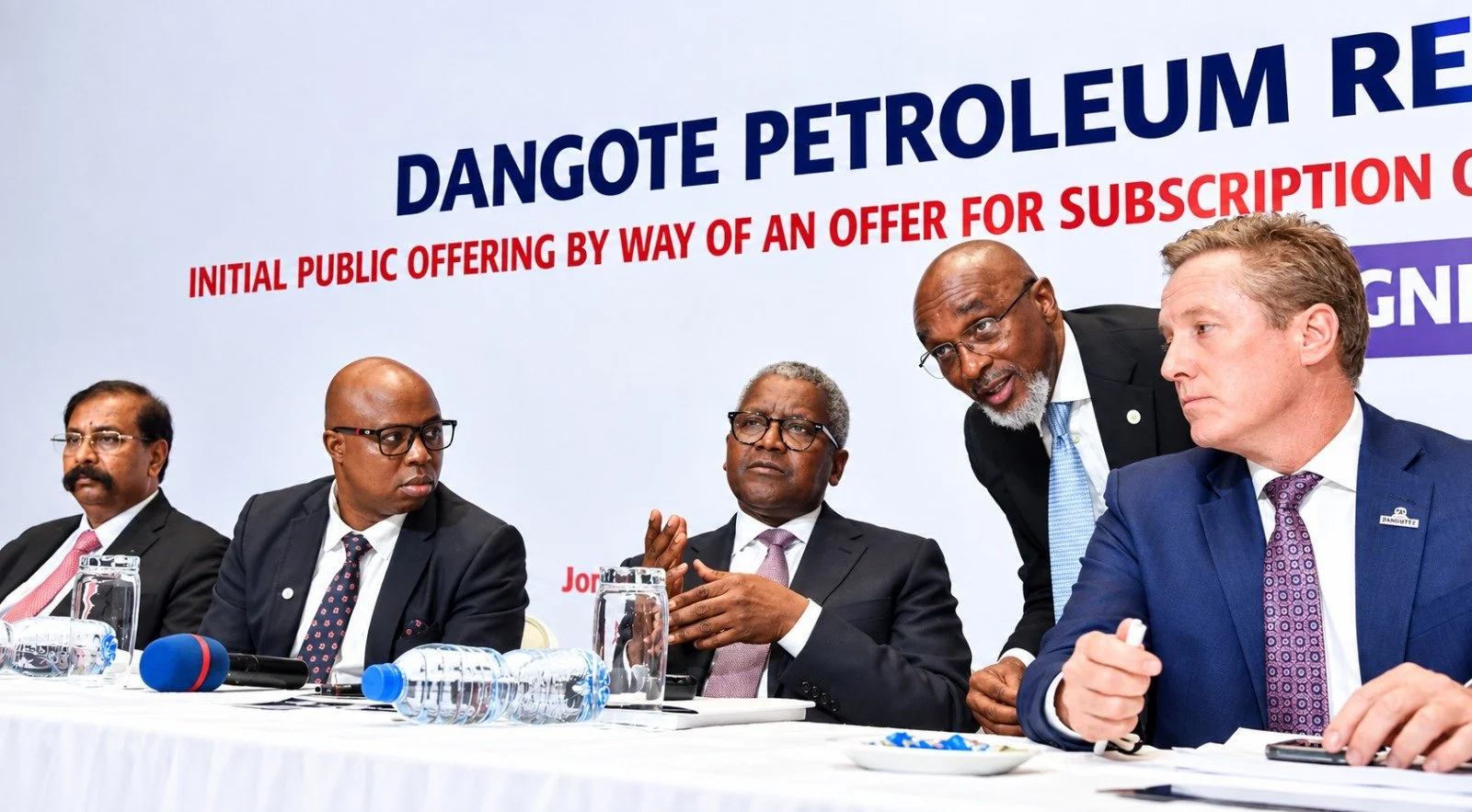
The investment agreement was signed at a South-East gas infrastructure investment and project development ceremony in Enugu on Tuesday, 27 October 2026. The project seeks to use the region’s gas resources to support manufacturing, agro-processing, power generation and other energy-intensive activities.
Pipeline Targets Industrial Centres Across Five States
The proposed pipeline will originate around Ohaji in Imo State, with routes planned towards Owerri, Aba in Abia State and Onitsha in Anambra State, alongside extensions to Enugu and Ebonyi.
Project promoter GasSync said it had identified about 150 prospective customers across the region, with projected demand estimated at 254 million standard cubic feet of gas per day.
The company plans to begin construction at Ohaji and Onitsha simultaneously to accelerate delivery across different sections of the network. It is also engaging prospective industrial customers, including manufacturing companies, power-generation facilities and agro-processing businesses.
The network is expected to connect existing gas resources, including supplies associated with the Assa North–Ohaji South development in Imo State, to businesses that require dependable energy for production.
SEDC Seeks Additional Investment Beyond Its $3m Commitment
The SEDC has committed $3 million towards advancing the project after conducting technical, financial and legal due diligence, according to its Managing Director and Chief Executive Officer, Mark Okoye.
The commission is targeting up to $30 million in aggregate regional investment participation, including its initial contribution, with additional funding expected from state governments, private investors and other institutions.
The wider project requires approximately $100 million for its initial phase. Mobilising the remaining capital will be important to moving the initiative from project development into construction.
The financing structure brings together public institutions and private-sector partners, reflecting an approach intended to mobilise investment beyond what governments can provide from their budgets alone.
However, the investment agreement and the SEDC’s initial commitment do not mean the entire project cost has been secured. The project still needs to complete funding arrangements and obtain the necessary regulatory and environmental approvals.
Energy Costs Could Influence Industrial and Construction Investment
Reliable gas supplies could help businesses reduce their dependence on more expensive or less predictable energy sources. For manufacturers, the potential benefits include lower production costs, improved operating reliability and greater capacity to expand output.
The implications extend to Nigeria’s construction sector. Cement, steel, ceramics, glass, roofing products and other building materials depend on energy-intensive manufacturing processes. If the pipeline delivers competitively priced gas and improves supply reliability, it could strengthen the operating conditions for some producers.
For property developers, contractors and investors, the potential effect on building costs will depend on how much energy expenses fall, whether manufacturers pass savings through to buyers and how other costs—including transport, finance and imported inputs—change.
The pipeline could also support new industrial parks and businesses in locations where unreliable energy supply has constrained investment. Yet these outcomes will depend on actual gas availability, commercially viable tariffs, dependable distribution and sufficient demand from customers.
Construction Timeline and Delivery Risks
GasSync said procurement activities had commenced and that funding arrangements were advancing towards financial close. The company is targeting construction in the first quarter of 2027 and first gas delivery in the second quarter of 2028.
Meeting those targets will require progress on engineering, procurement and construction, alongside regulatory approvals, right-of-way arrangements, environmental impact assessments and engagement with communities along the pipeline route.
South-East governors have pledged support for the project, including cooperation on land access and approvals. Their ability to coordinate these processes will influence how quickly construction can proceed across the five states.
The project will also need transparent reporting on expenditure, construction milestones, customer commitments and delivery timelines. These measures would help investors and prospective industrial users assess whether the proposed network is progressing as planned.
Housing and Property Market Implications
The pipeline is not a housing project, but its potential effects on industrial energy costs and investment could influence the wider built environment.
More competitive energy supply could support construction-material manufacturers, encourage industrial development and strengthen demand for commercial property in locations that gain reliable access to gas. New employment and business activity could also create demand for housing, although the scale of that effect will depend on the industries established and the jobs generated.
For NHM readers, the central issue is whether the project converts regional gas resources into dependable energy supply, lower operating costs and productive investment.
The next milestones to watch are financial close, regulatory approvals, the start of construction and confirmation of supply agreements with industrial customers. Those developments will provide a clearer indication of whether the proposed pipeline can deliver its promised economic benefits.
READ MORE