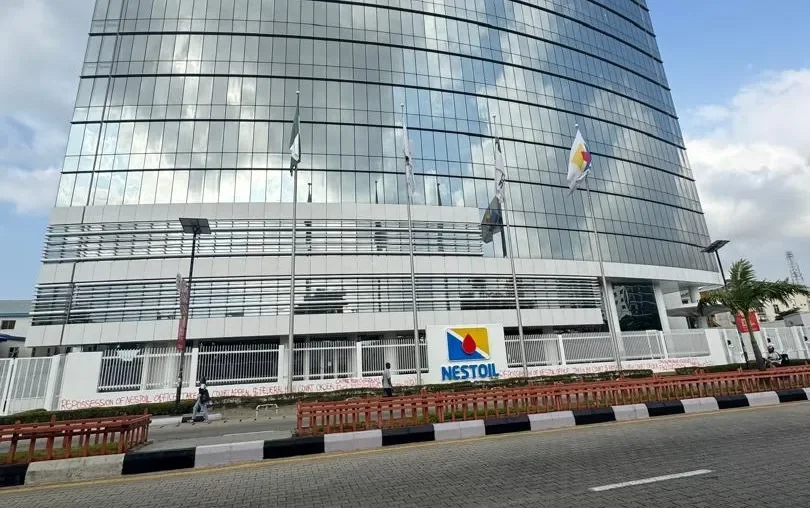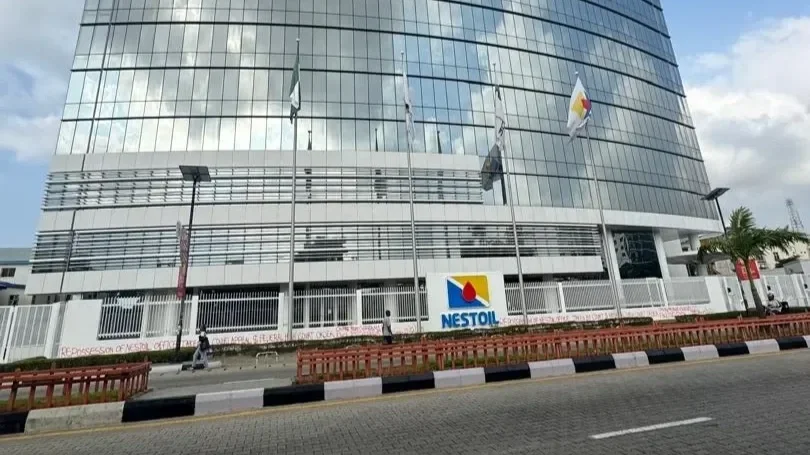
Nestoil and Neconde Energy have paid a combined $100 million to a consortium of lenders under a structured repayment arrangement facilitated by the EFCC
The Economic and Financial Crimes Commission (EFCC) has reported an additional $40 million payment linked to Nestoil Limited and its affiliate, Neconde Energy Limited, bringing the total recovered for a consortium of lenders to $100 million.
/ You Might Also Like /




The latest payment was made on 19 October 2026, following an earlier $60 million payment reported in August. The repayment forms part of an arrangement involving the oil and gas companies and their lenders to settle outstanding financial obligations.
Despite the latest payment, a substantial portion of the debt remains outstanding, leaving the parties to continue working through the repayment process.
Repayment Deal Covers Outstanding Bank Debt
The repayment arrangement followed a meeting chaired by EFCC Executive Chairman Olanipekun Olukoyede. It established a framework for the companies to repay their obligations to the participating financial institutions, subject to the agreed terms and applicable laws.
The lenders welcomed the additional payment, describing it as progress towards recovering the outstanding funds. They also said the process matters to the financial system because banks deploy funds belonging to depositors and other stakeholders when extending credit.
However, the recovery should not be mistaken for a settlement of the entire debt dispute. The lenders have maintained that significant obligations remain unpaid.
Dispute Involves More Than $1 Billion in Dollar Debt
The dispute has involved a consortium of banks and other financial institutions that provided Nestoil with credit facilities dating back to 2010. The loans were later consolidated under a restructuring arrangement known as the “Global Club”, which took effect in 2023.
In June 2026, the lenders put the outstanding obligations at approximately $1.084 billion and ₦469.43 billion. They said repayment defaults continued after the restructuring.
The dispute escalated in October 2025, when the Federal High Court in Lagos granted a Mareva injunction freezing certain assets, bank accounts and shares linked to Nestoil, Neconde and their promoters. The court also appointed a receiver-manager to take control of identified assets.
The companies have contested aspects of the proceedings. Nestoil has previously described the matter as a commercial dispute and disputed suggestions of criminality. The legal battle has involved several court proceedings, including appeals over asset-preservation and receivership orders.
What the Recovery Means for Nigeria’s Credit Market
The $100 million recovered so far represents progress, but it remains a portion of the much larger obligations reported by the lenders. The outcome of the repayment arrangement could matter beyond the parties involved, given the scale of the exposure and the role of banks in financing businesses across the economy.
Large corporate debts can tie up lenders’ capital, complicate efforts to manage non-performing exposures and affect their capacity to extend fresh credit. Recoveries can help limit those pressures, although the wider impact depends on the amount ultimately repaid, the timing of repayments and the lenders’ overall financial positions.
For businesses seeking credit, the case also highlights the importance of loan restructuring agreements, repayment discipline and effective enforcement of financial obligations.
The recovery process remains ongoing, and the outstanding debt has yet to be fully settled.
READ MORE