Smart Homes Gain Momentum as Urban Nigeria Embraces Connected Living
Smart Homes Become a Growing Trend Across Urban Nigeria
Smart home technology is gaining wider acceptance across Nigeria's major cities as developers respond to growing demand for homes that combine convenience, security and energy efficiency. From automated lighting and intelligent security systems to remote-controlled appliances and energy management tools, connected living is gradually becoming a defining feature of premium residential developments.
/ You Might Also Like /


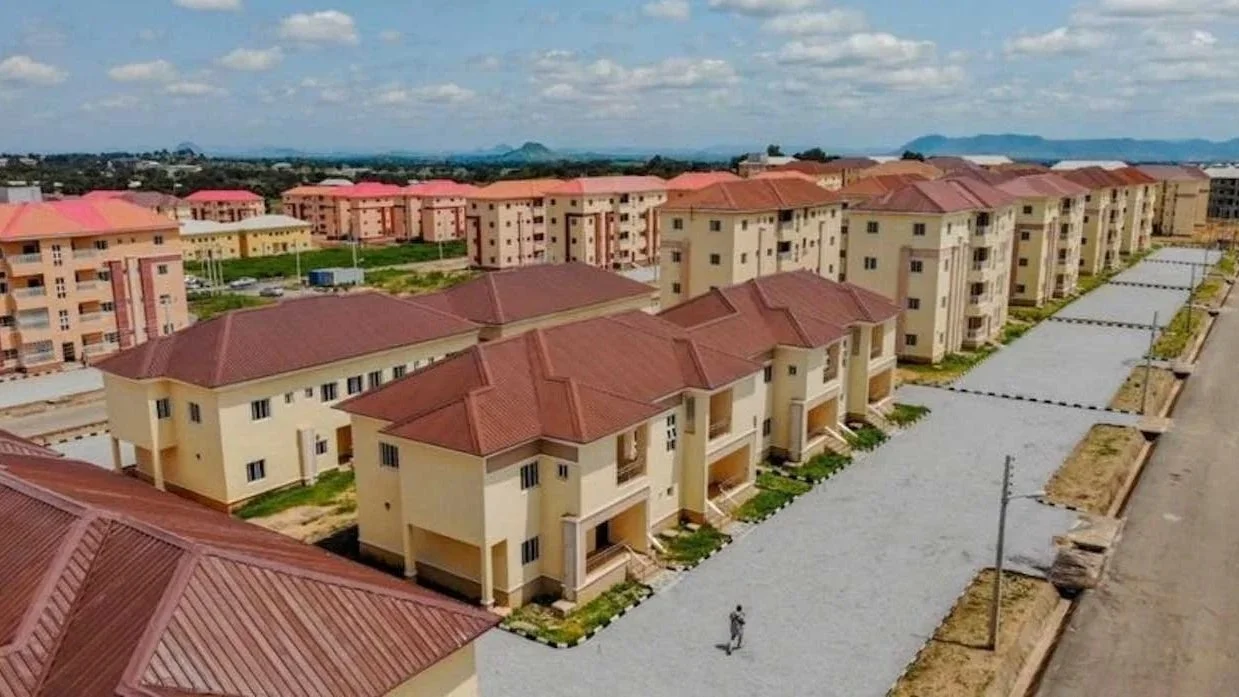

Although smart homes remain concentrated in high-end estates, industry experts say increased digital adoption and declining technology costs are making these features more accessible to a broader segment of homebuyers.
Technology Redefines Residential Living
Developers are increasingly incorporating smart technologies into residential projects to enhance user experience and improve property value.
Popular features include smart locks, CCTV surveillance integrated with mobile applications, automated lighting, voice-controlled devices, smart thermostats, water leak detectors and energy monitoring systems. These technologies allow homeowners to manage their properties remotely while improving safety and reducing energy consumption.
As internet connectivity improves and digital infrastructure expands, smart home adoption is expected to accelerate across Nigeria's urban centres.
Rising Demand from Homebuyers
Changing consumer preferences are driving the shift towards connected homes.
Young professionals, diaspora investors and high-income households are increasingly prioritising technology-enabled properties that offer convenience, security and operational efficiency. Developers believe smart home features also provide a competitive advantage in a market where buyers are becoming more discerning.
The trend is particularly evident in Lagos, Abuja and Port Harcourt, where premium residential developments are incorporating digital technologies as standard offerings.
Opportunities for Developers
The growth of smart homes presents new opportunities for property developers, technology firms and facility managers.
By integrating automation systems during construction, developers can differentiate their projects, command premium pricing and reduce long-term maintenance costs. Smart building technologies also improve operational efficiency for residential estates through automated lighting, access control and utility management.
The increasing adoption of PropTech solutions is expected to further accelerate innovation across Nigeria's real estate industry.
Implications for Housing and Real Estate
The emergence of smart homes reflects a broader transformation in Nigeria's housing market towards more sustainable and technology-driven developments.
As buyers become more digitally connected, demand for intelligent buildings is likely to influence future residential design, construction standards and property valuations. Developers that embrace innovation may gain a competitive advantage, particularly in the mid- to upper-income housing segments.
In addition, energy-efficient technologies can help households reduce electricity consumption, lower operating costs and improve environmental sustainability.
Why It Matters
Smart home technology is no longer viewed as a luxury feature alone. It is increasingly becoming a value proposition that enhances security, convenience, efficiency and long-term property value.
As Nigeria's cities continue to urbanise, technology-enabled housing is expected to play a larger role in shaping residential development, attracting investment and improving the quality of urban living.
Outlook
The adoption of smart homes is expected to accelerate as digital infrastructure improves, technology costs decline and developers respond to evolving consumer expectations. Over time, connected living could become a standard feature in many new residential developments, supporting innovation, sustainability and higher-quality housing across Nigeria.
READ MORE