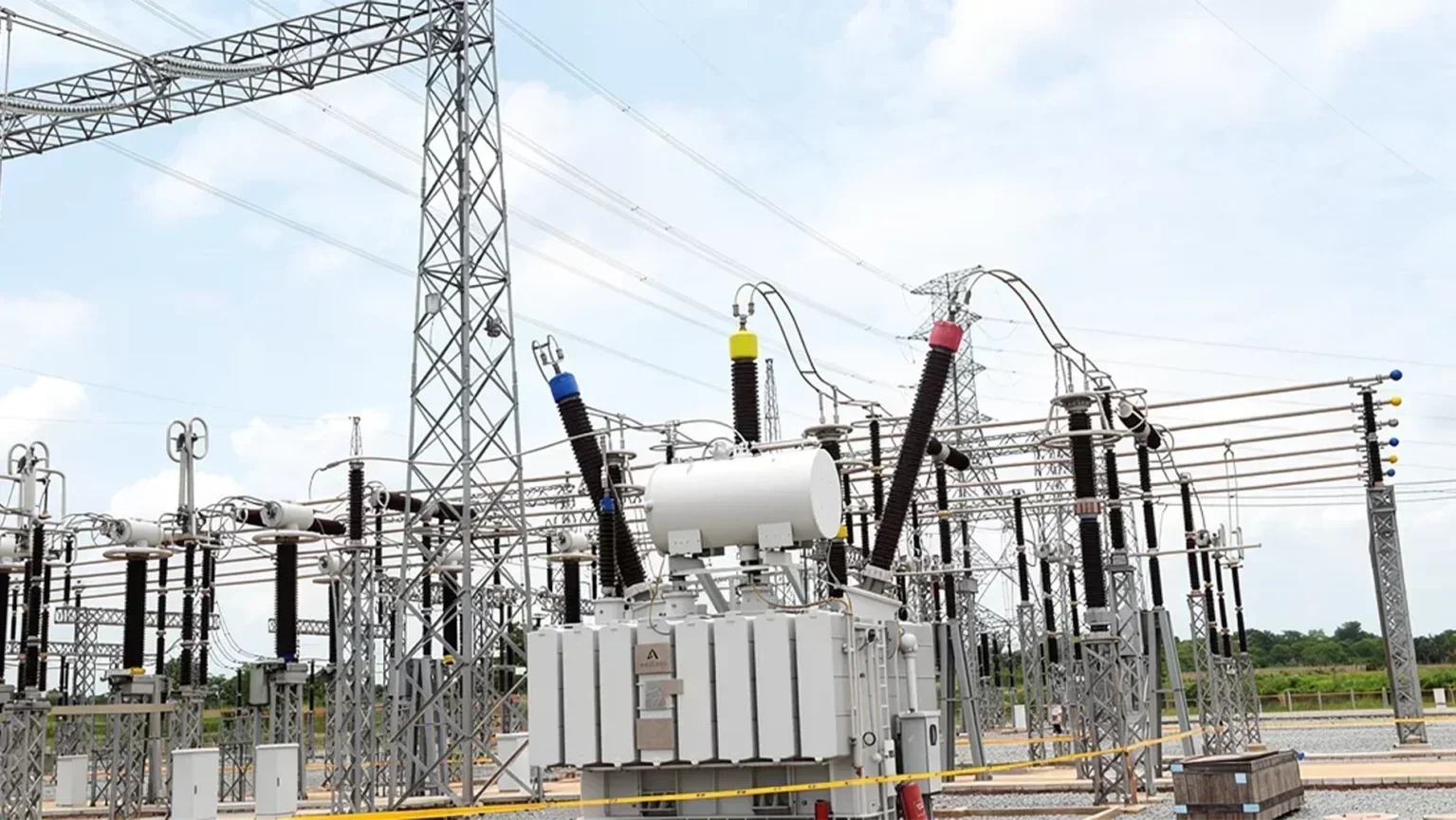
Nigeria's electricity crisis has renewed debate over power-sector reforms, generation capacity and investment in transmission and distribution infrastructure
Nigeria's electricity crisis has come under renewed scrutiny ahead of the 2027 general elections, as political leaders debate the performance of the current administration and propose different approaches to improving power supply.
The debate has also highlighted the scale of infrastructure investment required to address the country's electricity shortfall, with former Minister of Power, Professor Bart Nnaji, estimating that Nigeria needs at least 100,000 megawatts (MW) of electricity capacity to achieve significant economic growth.
/ You Might Also Like /




The renewed discussions followed the All Progressives Congress (APC) Presidential Campaign Council's defence of President Bola Tinubu's power-sector record, criticism from former Vice President Atiku Abubakar and a pledge by Peter Obi to generate, transmit and distribute at least 10,000MW if elected president in 2027.
The competing positions have brought attention to the challenges facing electricity generation, transmission and distribution, particularly the gap between installed capacity and the power actually available to households and businesses.
Nigeria Needs Massive Investment in Power Infrastructure
Nnaji said Nigeria's electricity infrastructure remains inadequate to support its economic ambitions, estimating that the country requires at least 100,000MW to reach the level of economic development recorded by countries such as Brazil and Indonesia.
He said Nigeria has the capacity to generate approximately 13,000MW, but only between 4,000MW and 5,000MW is available on the national grid because of constraints affecting the electricity value chain.
The former minister attributed the sector's difficulties to inadequate gas supply, deteriorating transmission infrastructure, mounting government debts and weaknesses surrounding the 2013 privatisation of the former Power Holding Company of Nigeria.
He argued that the country needs substantial private-sector investment, supported by stronger government policies and investment guarantees, to expand generation capacity and improve electricity delivery.
His assessment highlights the scale of the challenge facing Nigeria's power sector. Increasing generation alone will not resolve the crisis without corresponding improvements in transmission and distribution infrastructure to deliver electricity to consumers.
Obi Pledges 10,000MW Under Proposed Power Plan
Peter Obi, presidential candidate of the Nigeria Democratic Congress (NDC), pledged to generate, transmit and distribute at least 10,000MW if elected president in 2027.
Speaking at a town hall meeting in Enugu, the former Anambra State governor identified reliable electricity as essential to industrial development, employment generation and economic growth.
His proposal places generation, transmission and distribution within a single electricity expansion target, although details of the proposed financing arrangements, implementation timetable and infrastructure requirements were not provided in the announcement.
The 10,000MW figure remains an electoral commitment rather than an approved or funded power-sector project.
APC Defends Tinubu's Electricity Reforms
The APC Presidential Campaign Council defended the administration's performance, arguing that Tinubu had introduced reforms and financial interventions to address longstanding problems in the electricity industry.
The council's spokesperson, Dele Alake, cited the Electricity Act 2023, which opened the sector to greater participation by state governments in electricity generation, transmission and distribution.
He said Lagos, Enugu, Abia, Ekiti, Oyo, Kaduna and Niger had established state electricity regulatory agencies to encourage investment and support decentralised electricity markets.
The council also highlighted the Presidential Metering Initiative, which it said had metered more than 1.5 million electricity customers over the past three years, against a national metering gap previously estimated at more than seven million customers.
On outstanding obligations to electricity operators, the council said the Federal Government had established a ₦4 trillion bond programme to settle verified legacy debts owed to 21 generation companies and gas suppliers.
It disclosed that the first and second tranches had raised more than ₦1.2 trillion to settle part of the outstanding liabilities.
The administration also pointed to investments in transmission infrastructure, including the planned upgrade of five Transmission Company of Nigeria substations and the Federal Executive Council's approval in June 2026 for eight new substations and upgrades to four existing facilities.
These interventions are intended to improve the electricity market's financial position and strengthen the infrastructure required to deliver power. However, their long-term impact will depend on project completion, improved grid performance and measurable improvements in electricity supply.
Atiku Questions Electricity Supply and Tariff Reforms
Former Vice President Atiku Abubakar rejected the APC's defence, arguing that legislation, bond programmes and project approvals should not be treated as evidence of reliable electricity delivery.
He maintained that households and businesses continued to spend heavily on alternative power sources because of inconsistent supply from the national grid.
Atiku also criticised the electricity tariff-band structure, arguing that consumers paying higher rates should receive more reliable service.
He specifically questioned the approximately ₦209.50 per kilowatt-hour charged to some Band A customers before value-added tax, arguing that higher electricity costs had not consistently translated into improved supply.
The former vice president also called for clarity on the Federal Government's plan to discontinue electricity subsidies from 2027, particularly its potential implications for household and business electricity bills.
He proposed a more transparent tariff framework that would link electricity charges to the quality and quantity of power supplied to consumers.
Electricity Shortages Continue to Affect Property and Construction Costs
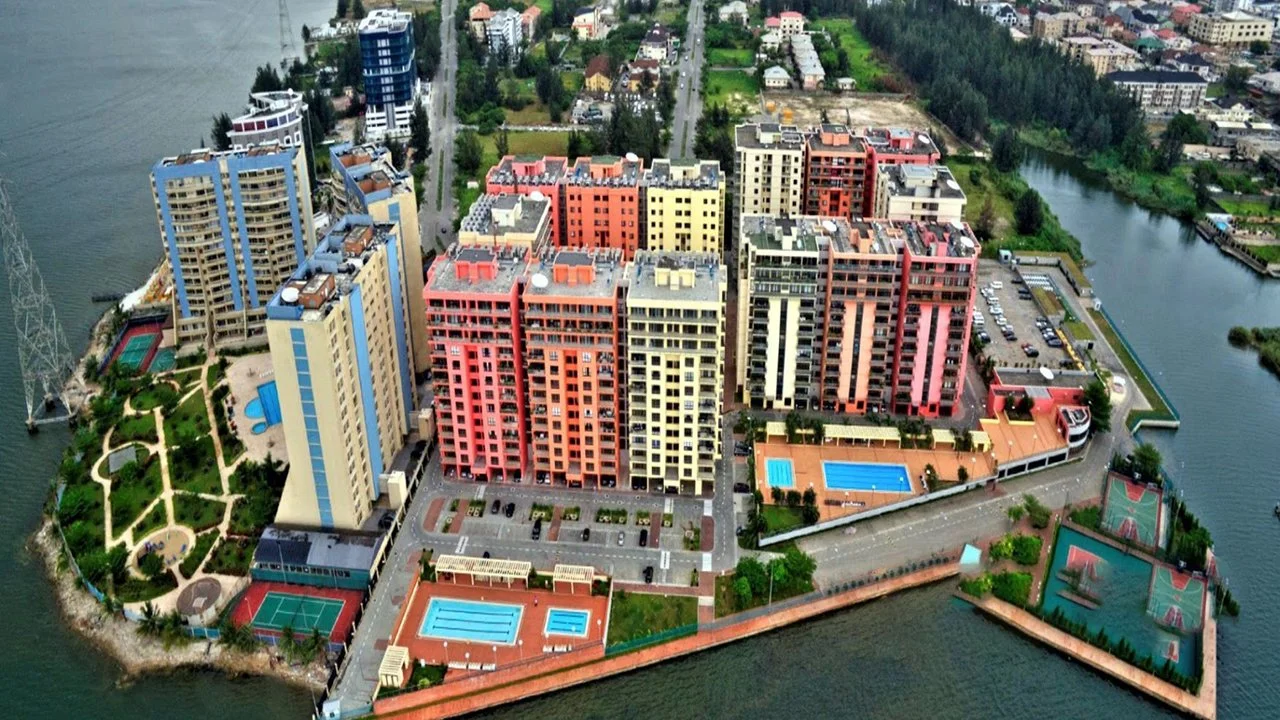
The power-sector debate has significant implications for Nigeria's housing and real estate market, where unreliable electricity increases the cost of developing, operating and maintaining properties.
Developers frequently depend on diesel and petrol generators to power construction equipment, water systems, security installations and other site operations where grid electricity is unavailable or unreliable.
These expenses can increase project budgets and contribute to the final prices developers charge for residential and commercial properties.
For completed developments, electricity shortages also increase service charges and maintenance expenses, particularly in estates, apartment complexes, office buildings and commercial centres that depend on shared generators.
Reliable electricity is equally important to the performance of property investments. High energy costs can affect rental affordability, operating margins and the attractiveness of commercial properties to prospective tenants.
Expanding generation capacity without addressing transmission bottlenecks, distribution losses and electricity-market financing will therefore leave important challenges unresolved for the property sector.
For Nigeria's housing market, the priority is not simply to announce higher generation targets but to deliver dependable electricity at costs that households, developers and businesses can sustain.
READ MORE