FG Targets Completion of 100,000 Housing Units Before 2027
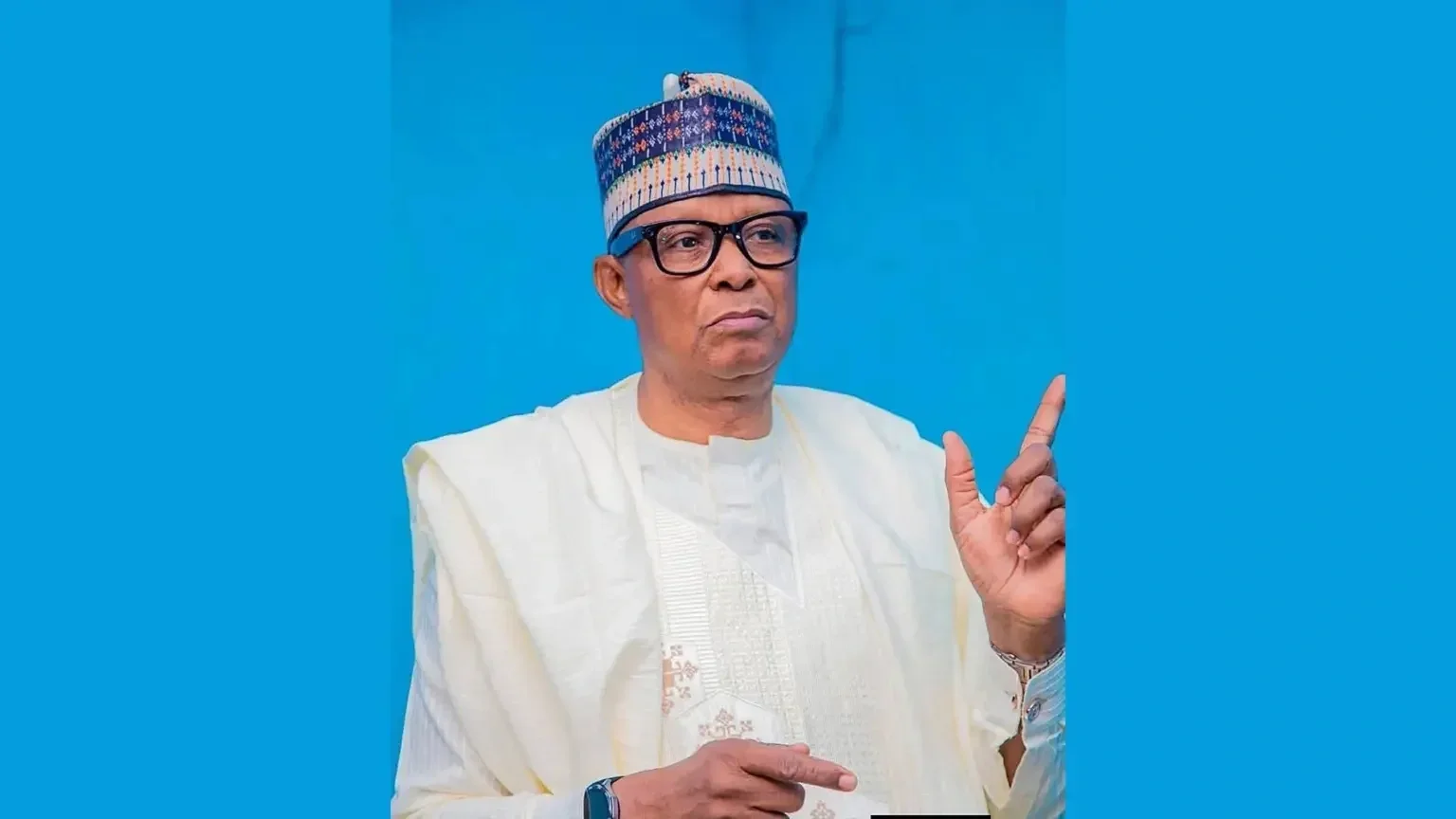
Minister of Housing and Urban Development, Engr. Muttaqha Rabe Darma
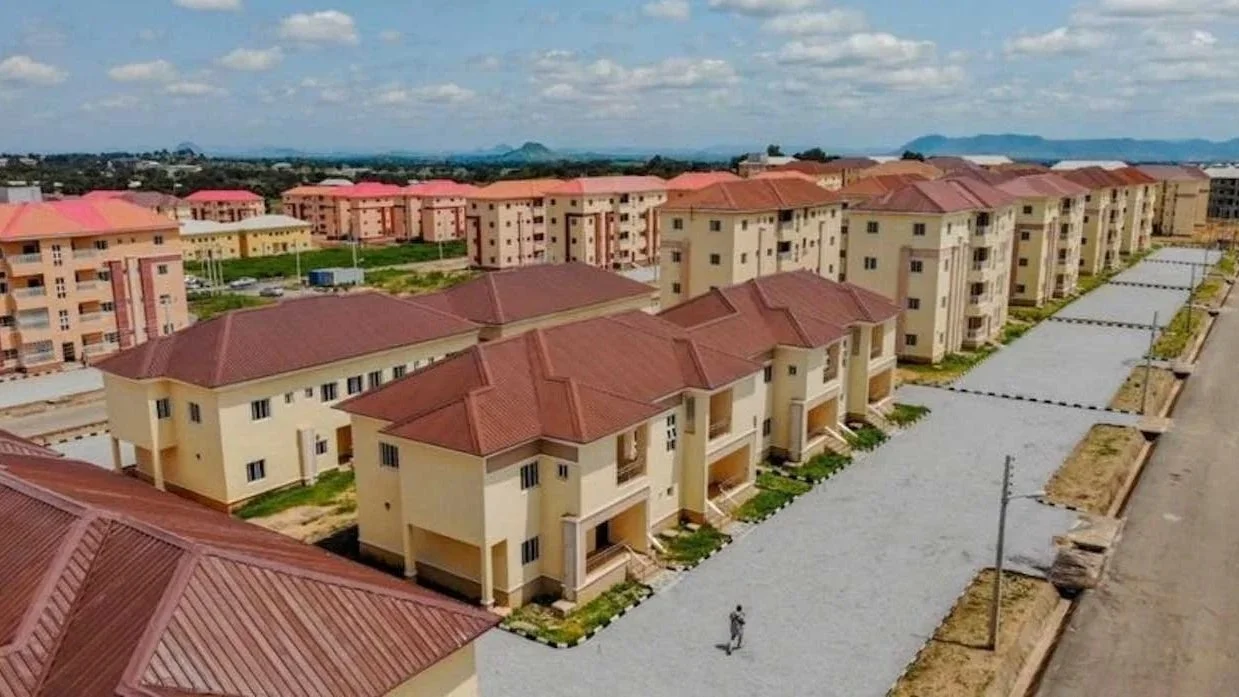
The Federal Government has set an ambitious target of completing 100,000 housing units before 2027 as it scales up the Renewed Hope Housing Programme, one of the administration's flagship initiatives to address Nigeria's housing deficit and expand access to affordable homes. The programme combines direct government investment with public-private partnerships to accelerate housing delivery across the country.
/ You Might Also Like /



The target forms part of a broader strategy to increase housing supply, stimulate economic activity and create employment throughout the construction value chain. Government officials say the programme is designed not only to provide homes but also to strengthen local industries through increased demand for building materials and construction services.
Renewed Focus on Affordable Housing
The housing initiative builds on the ongoing rollout of Renewed Hope Cities and Estates across several states, with thousands of housing units already under construction. The government has indicated that additional projects will be delivered through partnerships with private developers and institutional investors to increase delivery speed and reduce funding constraints.
Officials also say reforms to land administration, project financing and housing delivery frameworks are intended to make the sector more attractive to investors while improving access to affordable homes for Nigerians.
Economic and Industry Impact
Beyond addressing the housing deficit, the programme is expected to generate significant economic benefits through job creation, increased demand for locally produced construction materials and higher levels of private-sector investment.
Large-scale housing construction supports industries including cement, steel, roofing materials, electrical fittings, furniture manufacturing and logistics, creating multiplier effects across the economy.
Implications for Housing and Real Estate
For the housing sector, the planned delivery of 100,000 units could significantly increase residential supply, particularly if projects are completed on schedule and supported by accessible mortgage financing.
Developers, contractors, manufacturers and financial institutions are also expected to benefit from increased project opportunities, while expanded housing stock could improve affordability in selected markets.
The success of the programme, however, will depend on sustained funding, effective project execution, timely infrastructure delivery and continued collaboration with the private sector.
Why It Matters
Nigeria faces one of Africa's largest housing deficits, making increased housing supply a national priority.
Achieving the government's target would represent one of the country's most significant housing delivery efforts in recent years, supporting urban development, economic growth and improved living standards while reinforcing confidence in long-term housing sector reforms.
Outlook
As implementation continues, attention will focus on the pace of construction, financing mechanisms and project completion rates. If successfully delivered, the 100,000-unit target could strengthen investor confidence, expand homeownership opportunities and provide fresh momentum for Nigeria's housing and real estate sector.
READ MORE