Rights Groups Seek Protection for Workers Displaced by Jabi Lake Redevelopment
Jabi Lake Redevelopment Sparks Calls for Livelihood Protection
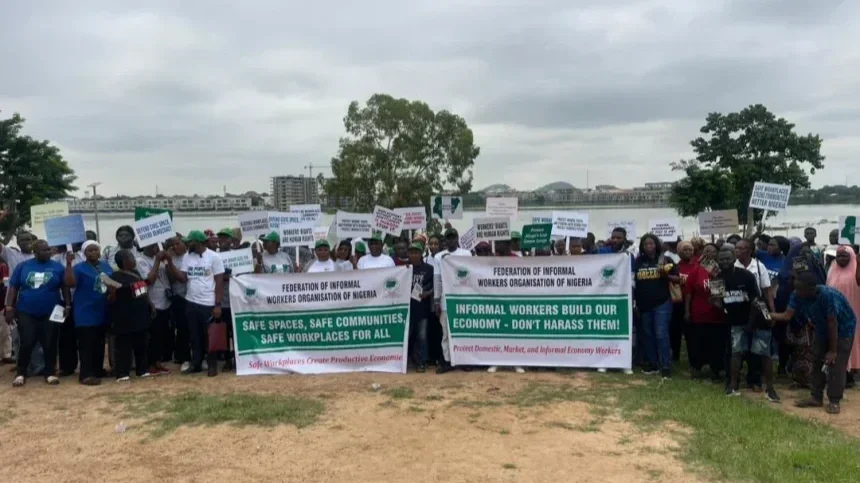
Rights organisations have called on authorities to implement measures that protect the livelihoods of workers displaced by the ongoing redevelopment of the Jabi Lake area in Abuja. The groups argue that while urban renewal and infrastructure upgrades are essential for improving public spaces and attracting investment, redevelopment projects should also include safeguards for individuals whose jobs and incomes are affected.
/ You Might Also Like /




The appeal follows continued redevelopment activities around Jabi Lake, one of Abuja's most prominent recreational and commercial destinations. The project has generated public debate over how redevelopment should balance economic development, environmental improvement and the welfare of vendors, service providers and other workers who depend on the area for their livelihoods.
Rights Groups Advocate Inclusive Urban Renewal
According to the advocacy groups, redevelopment initiatives should incorporate social protection measures, including adequate notice, stakeholder engagement, fair compensation where applicable and opportunities for affected workers to transition into alternative sources of income. They contend that these safeguards are essential to ensuring that regeneration projects deliver broad-based benefits without disproportionately affecting vulnerable groups.
The organisations also urged relevant government agencies to engage directly with affected communities throughout the planning and implementation process, arguing that transparent consultation can reduce disputes and improve public confidence in urban renewal programmes.
Balancing Development and Livelihoods
Urban redevelopment projects are increasingly becoming a feature of major Nigerian cities as governments seek to modernise infrastructure, improve environmental standards and create more attractive public spaces. However, experts note that such initiatives often have social and economic implications for informal businesses and workers operating within affected areas.
Planning specialists emphasise that successful regeneration projects typically combine physical improvements with social inclusion policies that minimise displacement and support economic resilience. Integrating relocation strategies, skills development and livelihood assistance can help communities adapt while allowing governments to achieve broader urban development objectives.
Implications for Urban Planning
The developments at Jabi Lake highlight the growing importance of adopting people-centred approaches to urban renewal. As cities continue to invest in infrastructure, waterfront regeneration and public space improvements, policymakers are increasingly expected to balance economic objectives with social equity.
For the housing and urban development sector, the situation underscores the need for comprehensive planning frameworks that integrate environmental management, investment promotion and community welfare. Such approaches can strengthen investor confidence while ensuring that redevelopment contributes to sustainable and inclusive urban growth.
Conclusion
The calls by rights groups underscore a broader debate about how Nigeria's cities should manage urban regeneration. While redevelopment remains essential for improving infrastructure and enhancing the attractiveness of public spaces, stakeholders argue that protecting affected workers and supporting inclusive development will be critical to ensuring that long-term urban transformation delivers benefits for both investors and local communities.
READ MORE