Government Orders Urgent Rebuild of Defective Lagos-Ibadan Expressway Section
Federal Government Orders Rebuild of Failed Lagos-Ibadan Expressway Section
The Federal Government has directed the reconstruction of the deteriorating Ibadan-bound section of the Lagos-Ibadan Expressway after confirming that the completed stretch has suffered significant structural failure. The decision, announced after a meeting of the Federal Executive Council (FEC), follows concerns that the affected section has become unsafe for motorists and requires urgent intervention using reinforced concrete pavement technology.
/ You Might Also Like /




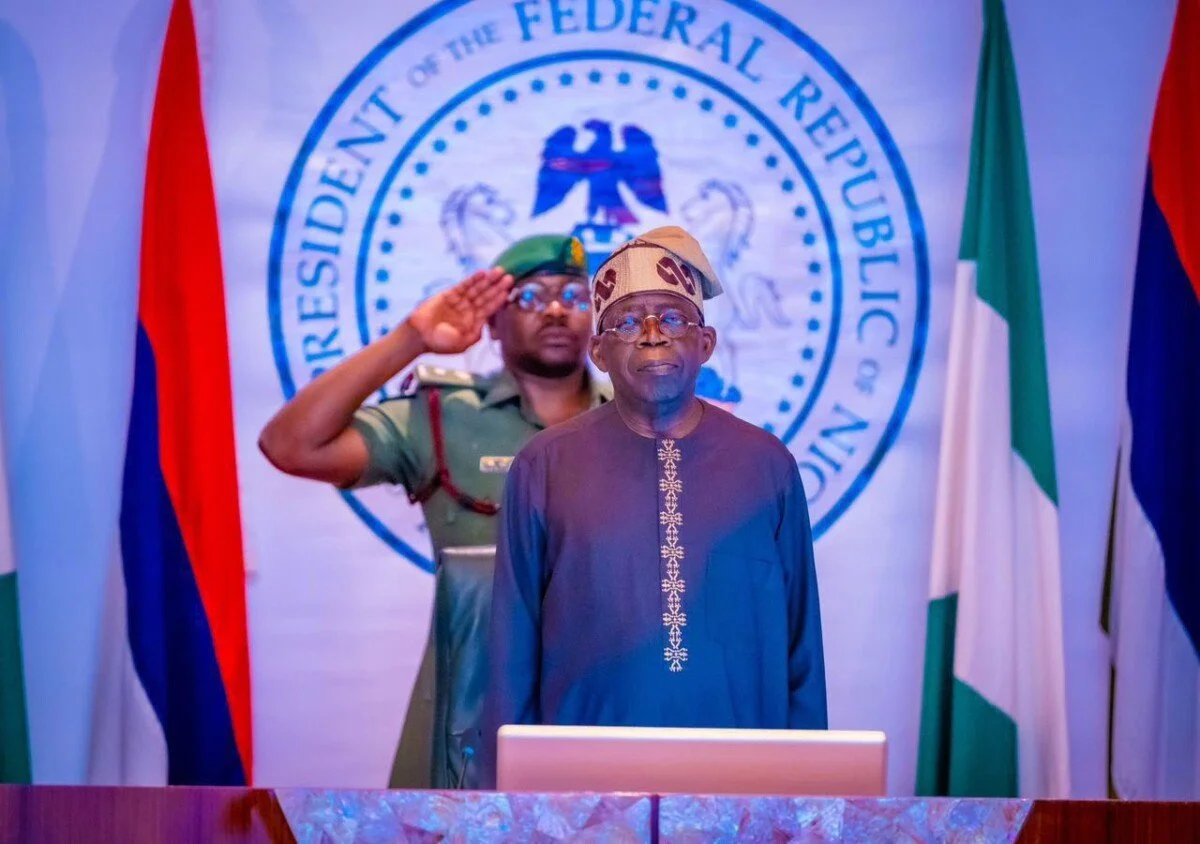
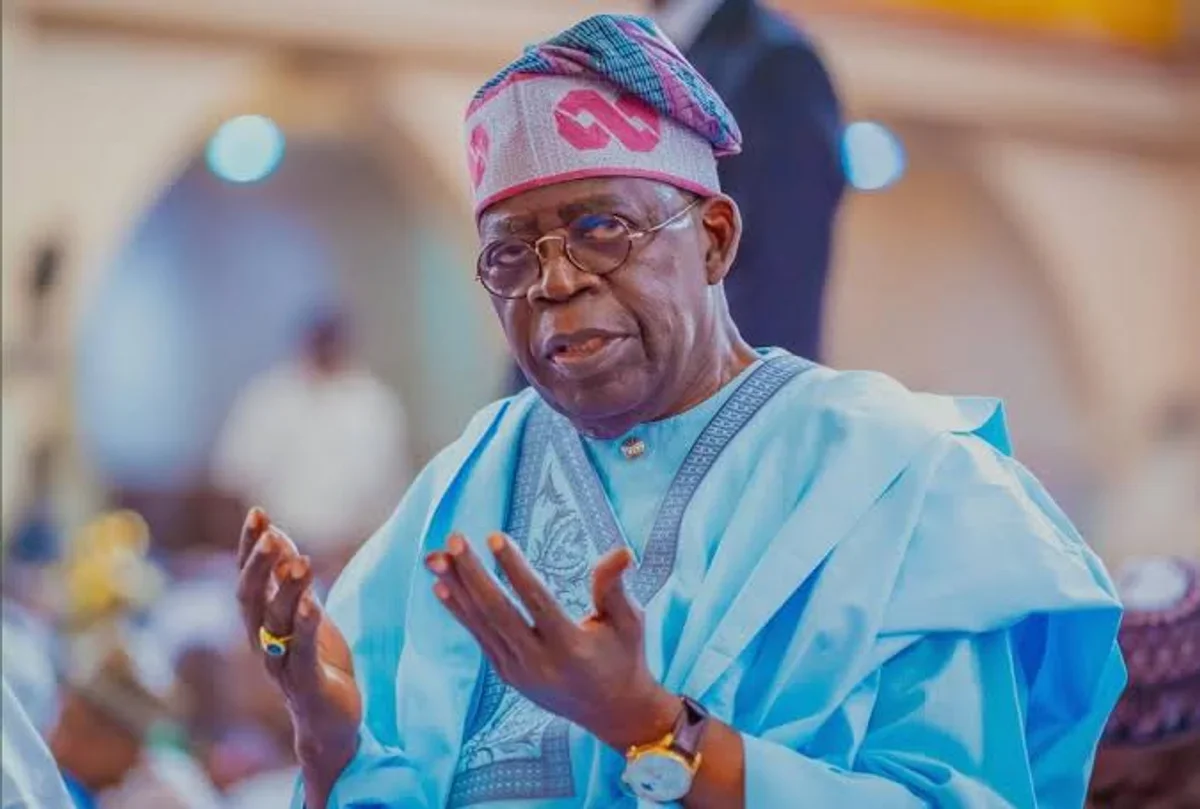
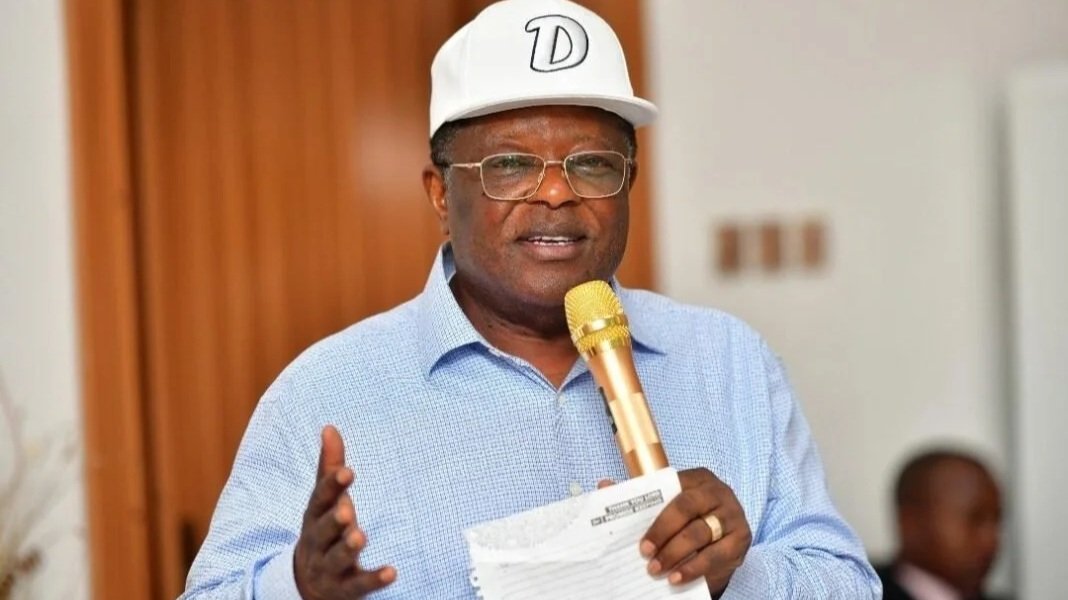
Minister of Works David Umahi disclosed that President Bola Tinubu approved the commencement of due process for the reconstruction after receiving reports on the condition of the expressway. According to the minister, the damaged section is experiencing severe pavement failure that has compromised road safety and requires complete rebuilding rather than routine maintenance.
Government Orders Complete Reconstruction
Speaking after the FEC meeting, Umahi stated that inspections confirmed extensive deterioration along the Ibadan-bound carriageway previously completed by Julius Berger. He noted that portions of the pavement had begun to deform and deteriorate, creating hazardous conditions for road users.
To address the problem, the President directed the Federal Ministry of Works to initiate procurement procedures for a complete reconstruction of the affected section using reinforced concrete pavement instead of conventional asphalt. According to the ministry, concrete technology is expected to provide greater durability, lower maintenance requirements and improved long-term performance on heavily trafficked highways.
Expressway Remains a Strategic Economic Corridor
The Lagos-Ibadan Expressway is one of Nigeria's busiest transport corridors, connecting Lagos, the country's commercial hub, with Ibadan and serving as a major gateway to the northern, western and eastern regions. The highway supports the movement of passengers, agricultural produce, manufactured goods and industrial cargo, making its condition critical to national economic activity.
The Federal Executive Council also approved the full business case for the operation and maintenance of the expressway through a concession arrangement involving Aspect Concession Limited under a modified public-private partnership model. The concession is intended to improve long-term maintenance and operational efficiency along the corridor.
Implications for Infrastructure Delivery
The decision to reconstruct the failed section highlights the increasing importance of quality assurance, lifecycle planning and effective maintenance in Nigeria's infrastructure programme. As the Federal Government expands investment in roads and highways, ensuring construction quality and long-term durability will remain essential to protecting public resources and maintaining public confidence.
Industry experts note that reinforced concrete pavement is increasingly being adopted for strategic highways because of its longer service life and resilience under heavy traffic volumes, despite its higher initial construction cost. Over time, the reduced maintenance burden can improve value for money on critical transport infrastructure.
Housing and Real Estate Significance
For the housing and property sector, reliable transport infrastructure remains a key driver of urban expansion, land values and investment decisions. The Lagos-Ibadan Expressway links several rapidly growing residential and industrial corridors across Lagos and Ogun states, making its continued functionality essential for housing delivery, logistics and commercial development.
Improved road quality enhances accessibility, reduces travel time and lowers transportation costs for construction materials, supporting residential and industrial developments along the corridor. Conversely, deteriorating infrastructure can delay projects, increase operating costs and reduce investor confidence in affected locations.
Conclusion
The Federal Government's decision to rebuild the failed Ibadan section of the Lagos-Ibadan Expressway underscores a renewed focus on infrastructure quality and long-term asset management. By opting for reinforced concrete pavement and strengthening maintenance arrangements through a concession model, the government aims to improve the durability, safety and economic value of one of Nigeria's most important transport corridors.
READ MORE