Lagos Flood Risks Intensify After Heavy Rain Disrupts Airport Operations
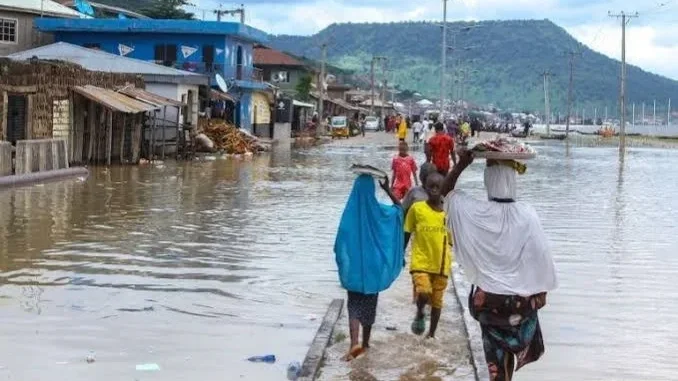
Severe Rainfall Raises Fresh Concerns Over Flood Resilience in Lagos
Heavy rainfall across Lagos has heightened concerns over the city's flood resilience after widespread flooding disrupted transport, affected residential communities and forced operational changes at the Murtala Muhammed International Airport (MMIA). The incident has renewed attention on the need for stronger drainage infrastructure, stricter development control and climate-resilient urban planning as the rainy season intensifies.
/ You Might Also Like /




The downpour inundated major roads and neighbourhoods across the state, leaving commuters stranded and disrupting business activities. Floodwaters also affected the airport's temporary international terminal, where operations were temporarily suspended after water entered sections of the facility, prompting airlines to relocate services to another terminal while emergency measures were implemented.
Flooding Affects Communities and Critical Infrastructure
Among the worst-affected areas were Oshodi, Mushin, Surulere, Egbeda, Gbagada, Ilupeju and parts of Alimosho, where prolonged rainfall overwhelmed drainage systems and made several roads impassable. Motorists experienced significant delays, while some vehicles were trapped in floodwaters as traffic congestion worsened across the city.
At the Murtala Muhammed International Airport, floodwater entered the temporary international terminal, affecting the departure hall, boarding areas and airline offices. Airport authorities relocated international flights operated from the terminal to Terminal Two after water reached parts of the facility's electrical infrastructure. According to the Federal Airports Authority of Nigeria (FAAN), the disruption was linked to drainage challenges associated with ongoing reconstruction works, and no flight cancellations were recorded.
Government Reaffirms Flood Management Measures
The Lagos State Government described the incident as flash flooding associated with intense rainfall in a coastal city. The Commissioner for the Environment and Water Resources, Tokunbo Wahab, stated that elevated lagoon water levels can temporarily slow the discharge of stormwater, causing surface flooding until water levels recede. He added that the state continues year-round drainage maintenance and flood control projects while urging residents to avoid dumping refuse into drains and to refrain from building on drainage setbacks and wetlands.
The latest incident comes shortly after the government warned that several local government areas, including Eti-Osa, Ikeja, Lagos Island, Lekki, Apapa, Surulere and Alimosho, face heightened flood risks during the peak of the rainy season. Authorities have also intensified enforcement against illegal structures obstructing drainage channels as part of broader efforts to improve stormwater management.
Implications for Housing and Urban Development
The flooding underscores the growing importance of climate resilience in Nigeria's housing and infrastructure sectors. Rapid urbanisation, increasing rainfall intensity and encroachment on drainage corridors continue to expose homes, commercial developments and public infrastructure to flood-related risks.
For developers and investors, the incident reinforces the need to integrate resilient drainage systems, sustainable site planning and environmental compliance into new projects. It also highlights the value of enforcing development regulations that protect waterways, wetlands and drainage alignments from illegal construction.
Urban planners note that long-term resilience will depend on sustained investment in drainage infrastructure, effective waste management, coordinated land-use planning and adaptation strategies that address the increasing impacts of climate change on rapidly growing cities.
Conclusion
The disruption caused by heavy rainfall across Lagos illustrates the continuing challenge of managing flood risks in one of Africa's fastest-growing cities. While authorities have expanded drainage maintenance and strengthened enforcement against illegal developments, the latest incident demonstrates the need for sustained investment in resilient infrastructure, effective urban planning and coordinated climate adaptation measures to safeguard communities, transport networks and critical public assets.
READ MORE