Presidency Defends Tinubu’s South-East Record, Says Critics Ignore Ongoing Projects
Presidency Points to Infrastructure Investments in South-East Under Tinubu
The Presidency has pushed back against claims that President Bola Tinubu’s administration has neglected the South-East, arguing that several major infrastructure projects currently underway in the region demonstrate the Federal Government’s commitment to development and regional inclusion. Presidential aides made the remarks during an inspection tour of federal projects in Ebonyi State under the Renewed Hope Agenda.
/ You Might Also Like /
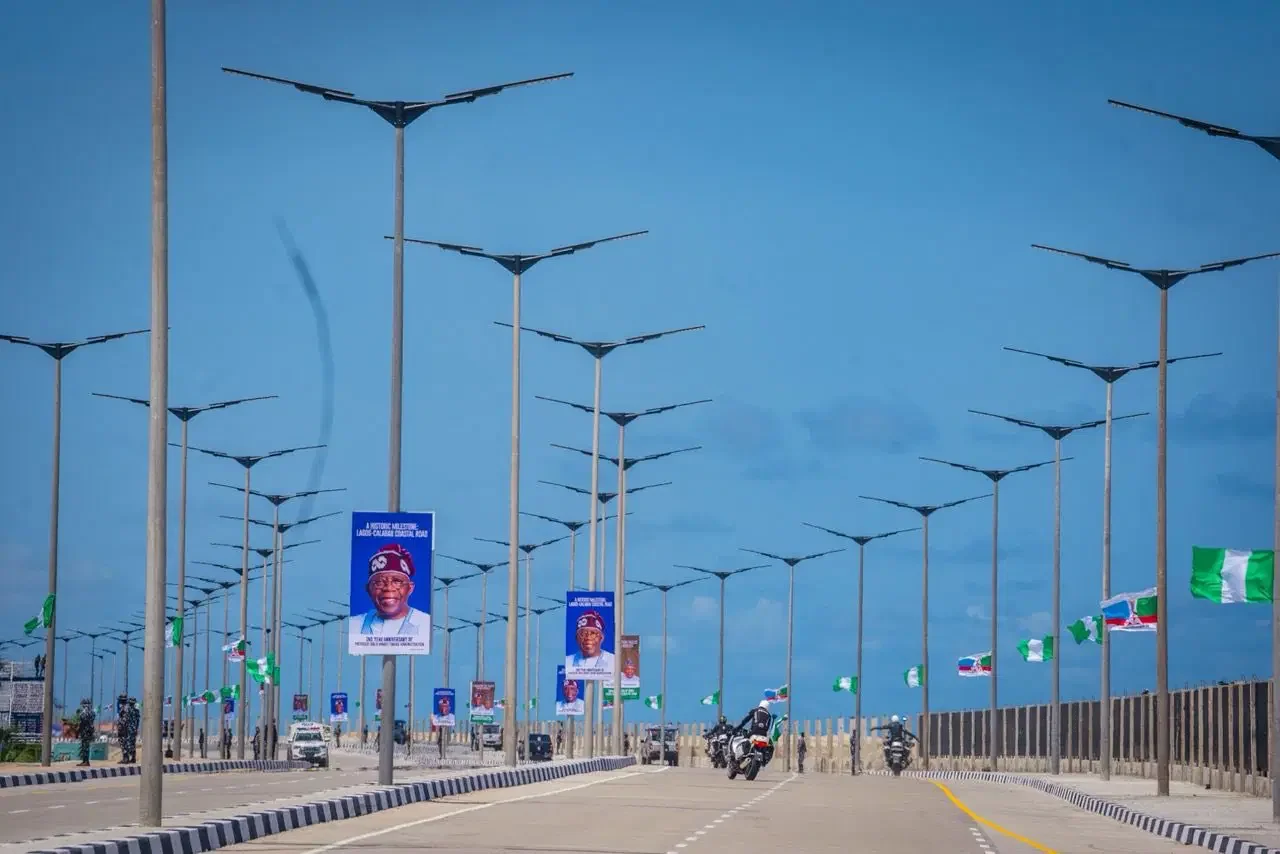
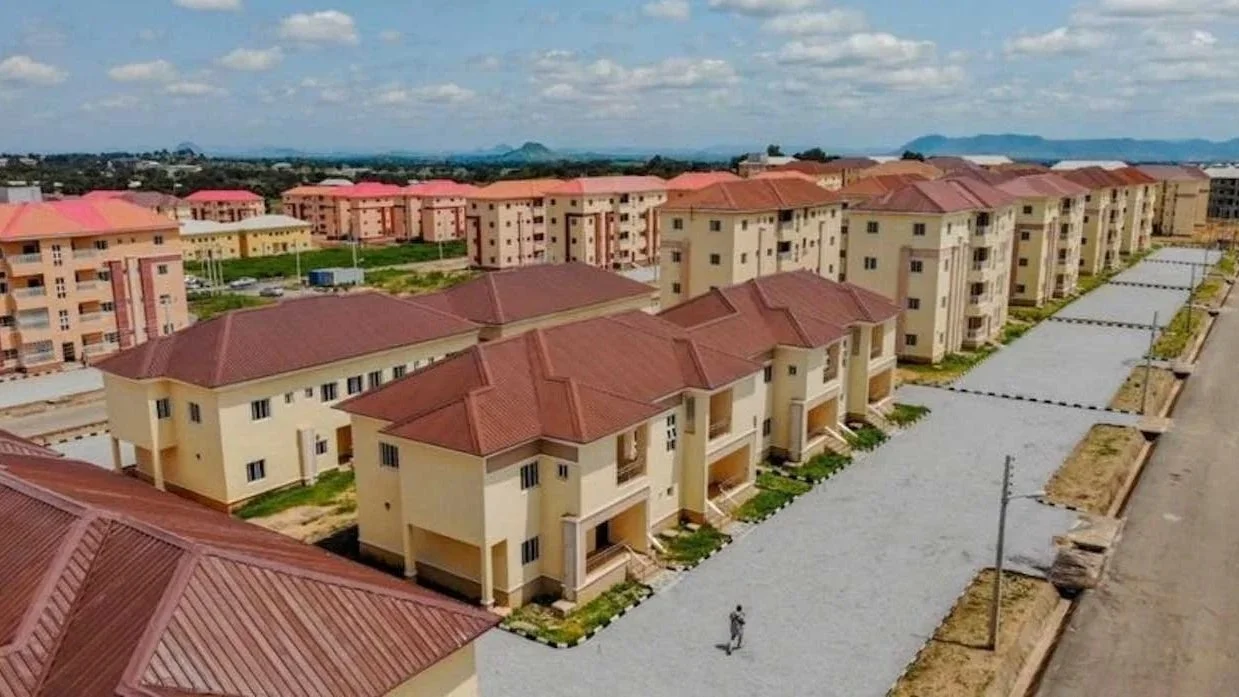

According to officials, the administration’s performance should be assessed based on verifiable projects and measurable outcomes rather than political narratives. They pointed to ongoing road, bridge and transport infrastructure projects across the South-East as evidence of federal investment in the region.
Presidency Rejects Claims of Neglect
Speaking during the project inspection exercise, Special Adviser to the President on Media and Public Communications, Sunday Dare, described criticisms that the administration had abandoned the South-East as unfair and inconsistent with realities on the ground. He said the inspection tour was designed to provide tangible evidence of federal projects being executed across the zone.
Dare noted that the inspection team reviewed multiple ongoing federal projects in Ebonyi State alongside several development initiatives being executed by the state government. According to him, the administration intends to rely on facts, project data and completed works to demonstrate its performance.
The media tour forms part of a broader initiative that allows journalists and stakeholders to inspect federal projects across the South-East and assess progress firsthand.
Government Highlights Infrastructure Investments
The Presidency cited road infrastructure as one of the administration’s major areas of focus. Officials referenced the ongoing Calabar–Ebonyi–Benue Trans-Saharan Superhighway, which is expected to improve connectivity between the South-East, South-South and North-Central regions while facilitating the movement of agricultural produce and goods.
Minister of Works Dave Umahi said several projects that had remained unrealised for decades are now being executed under the current administration. He highlighted progress on the superhighway project and described it as a strategic economic corridor capable of boosting trade and regional integration.
According to Umahi, portions of the project are already under construction, with contractors continuing work despite the rainy season through the use of concrete pavement technology.
FAAC Revenue Boost Supporting State Development
The Presidency also linked ongoing infrastructure development at the state level to increased allocations from the Federation Account Allocation Committee (FAAC).
Special Adviser to the President on Information and Strategy, Bayo Onanuga, argued that higher revenue allocations have enabled many states to undertake projects that previously would have required significant borrowing. He said governors now have greater capacity to invest in infrastructure, healthcare, education and other public services without relying heavily on bank loans.
According to Onanuga, the improved fiscal position of states has translated into visible development projects across various parts of the country, including the South-East.
Media Tour Designed to Showcase Projects
The ongoing South-East media tour follows a similar exercise previously conducted in the North-West. Organisers said the initiative aims to strengthen transparency by providing journalists with direct access to federal projects and allowing independent assessment of their progress.
The five-day inspection programme covers Ebonyi, Enugu, Anambra, Abia and Imo states, with participants visiting key infrastructure projects and engaging stakeholders on development issues. Officials say the exercise will help provide Nigerians with first hand information about projects being implemented under the Renewed Hope Agenda.
Infrastructure Remains Central to Economic Strategy
Infrastructure development continues to occupy a central position within the Federal Government’s economic agenda. Policymakers have consistently argued that investments in highways, bridges and transport corridors are essential for reducing logistics costs, improving market access and attracting private-sector investment.
Supporters of the administration believe that ongoing projects across the South-East will contribute to stronger regional connectivity and economic growth once completed. Critics, however, continue to scrutinise the pace of implementation and the broader impact of government policies on citizens.
Conclusion
The Presidency has defended President Tinubu’s performance in the South-East, citing ongoing infrastructure projects, improved state finances and direct project inspections as evidence of the administration’s impact in the region. As major projects continue across the zone, the debate over federal development efforts is likely to remain a key issue in discussions about economic growth, regional inclusion and national development.
READ MORE