Petrol Price Hits ₦1,371/Litre in Abuja as Consumers Decry Sharp Increase
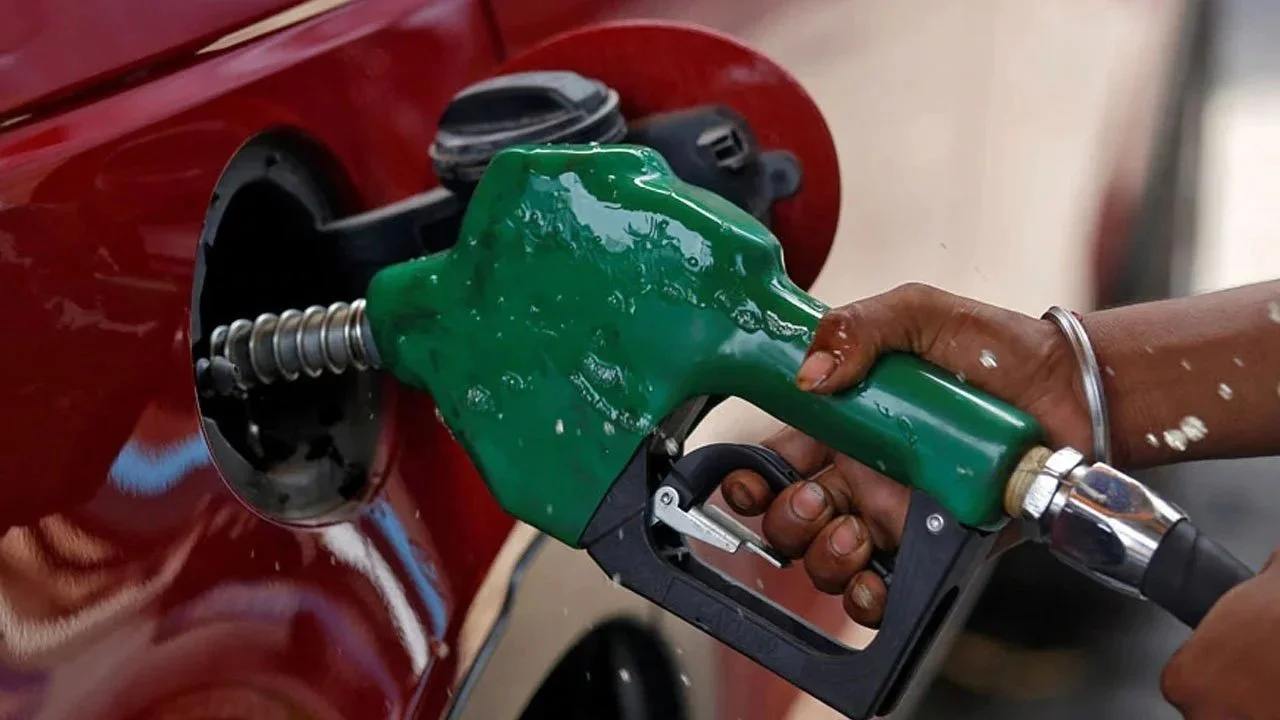
Fuel Price Spike in Abuja Raises Concerns Over Inflation and Living Costs
Petrol prices in Abuja have surged to as high as ₦1,371 per litre, marking a sharp increase in fuel costs and intensifying economic pressure on households and businesses. The latest price adjustments, observed across several filling stations in the Federal Capital Territory, reflect ongoing volatility in Nigeria’s deregulated downstream petroleum market.
Sharp Increase Across Retail Outlets
Market checks show that major fuel retailers have implemented significant price hikes within a short period. Stations operated by NIPCO and AYM Shafa were selling petrol at ₦1,371 and ₦1,370 per litre respectively, while NNPC Retail outlets raised prices to about ₦1,361 per litre.
Other stations, including partners linked to the Dangote refinery supply chain, also adjusted pump prices upward, with some selling at approximately ₦1,367 per litre.
The increases represent a rapid escalation compared to previous weeks, with pump prices rising from around ₦1,261 per litre to current levels within days.
/ You Might Also Like /



Price Volatility Linked to Refinery Adjustments
The surge in retail prices follows recent upward adjustments in ex-depot (gantry) prices by the Dangote Refinery. According to the report, petrol prices have risen by roughly 55 percent over a three-week period, reflecting supply-side pricing dynamics and global crude oil trends.
Historical pricing data illustrates the rapid trajectory of increases:
Early March: Prices ranged between ₦960 and ₦975 per litre
Mid-March: Prices crossed ₦1,100 per litre
Late March: Prices climbed above ₦1,300 per litre
This pattern underscores the sensitivity of domestic fuel prices to upstream cost movements and market liberalisation.
Consumers React to Rising Costs
The sharp increase has triggered widespread concern among consumers, particularly in urban centres where transportation costs directly affect household budgets.
Residents expressed frustration over the pace of price hikes and the absence of mitigating measures. Some consumers noted that ₦10,000 now purchases just over seven litres of petrol, compared to nearly 12 litres earlier in the month.
Transport operators have already begun adjusting fares upward, with some routes experiencing fare increases of over 60 percent. This trend is expected to feed into broader inflationary pressures, affecting food prices and other essential goods.
Implications for Inflation and Economic Stability
The sustained rise in petrol prices carries significant macroeconomic implications. Fuel costs remain a key driver of inflation in Nigeria, influencing transportation, logistics, and production expenses across sectors.
With deregulation fully in effect, pump prices now reflect market realities, including exchange rate movements, global oil prices, and domestic refining capacity. However, the absence of price stabilisation mechanisms exposes consumers to sharp fluctuations.
The current trend also raises concerns about purchasing power erosion, particularly for low- and middle-income households already facing high living costs.
Calls for Policy Intervention
Consumers and stakeholders have called for increased regulatory oversight to ensure fair pricing and prevent exploitative practices. Concerns have also been raised about the social impact of deregulation without adequate safety nets.
While deregulation aims to improve efficiency and attract investment into the sector, analysts note that targeted interventions such as transport subsidies or income support may be necessary to cushion vulnerable populations.
The rise of petrol prices to ₦1,371 per litre in Abuja highlights the growing strain on Nigeria’s energy market and household finances. While market-driven pricing reflects structural reforms in the downstream sector, the speed and scale of increases underscore the need for balancing efficiency with social protection. The trajectory of fuel prices will remain a critical factor shaping inflation, economic stability, and public sentiment in the months ahead.
READ MORE